


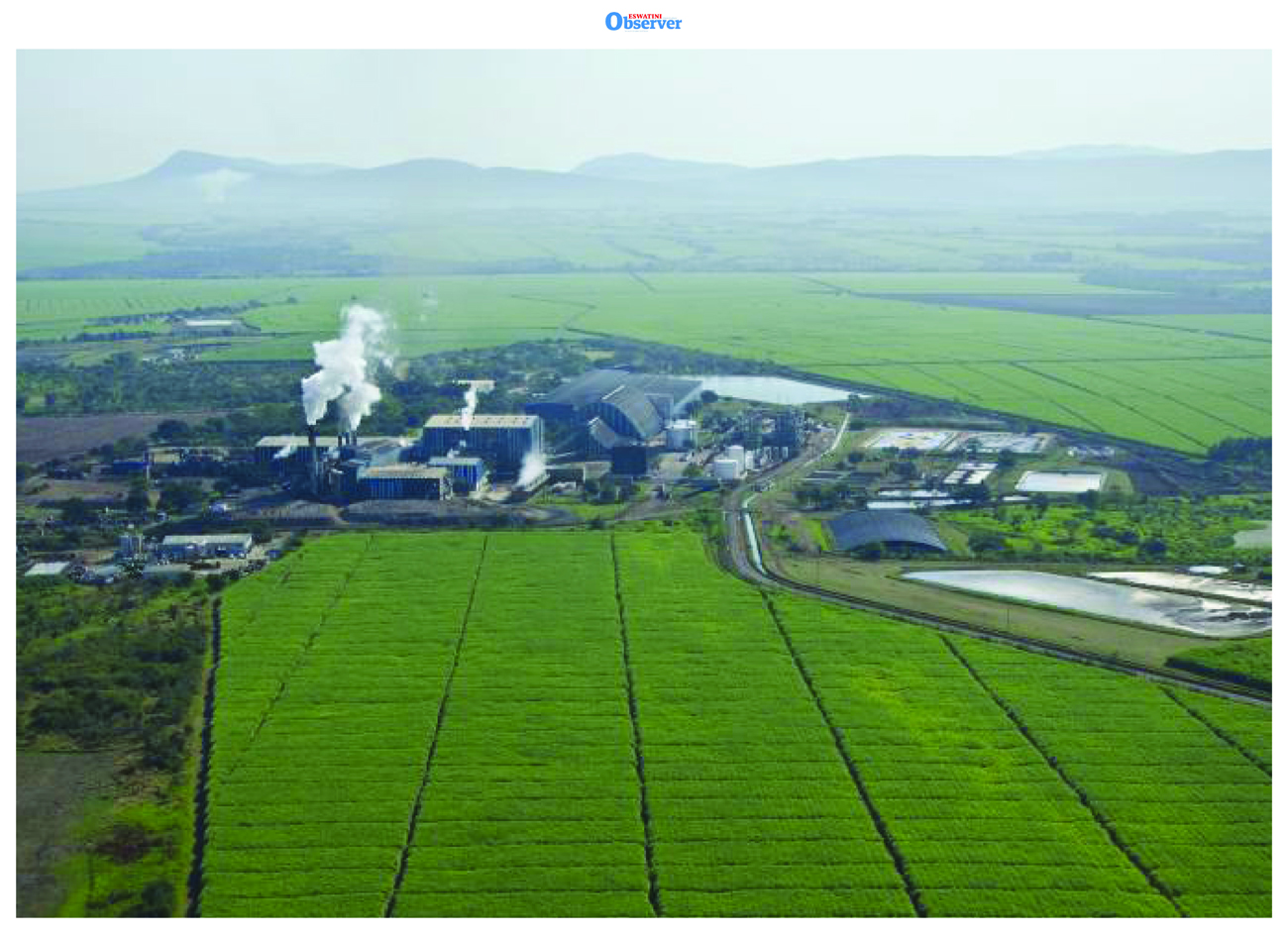
The rising fuel and electricity costs are expected to place significant pressure on the country’s sugarcane industry this financial year.
Eswatini Sugarcane Growers Association (ESGA) Chief Executive Officer (CEO) Dr Sipho Nkambule said this was because key agricultural operations heavily relied on both inputs.
Speaking in an interview with Eswatini Television Authority’s Market View, Dr Nkambule said electricity remained essential to the sector, particularly for irrigation which he described as fundamental to all sugarcane production in the country.
He also noted that the sugar industry recorded an estimated E200 million decline in revenue after global sugar prices fell by about 8% year-on-year, despite production remaining largely unchanged.
He explained that since all sugarcane is irrigated, any increase in electricity tariffs directly raised the cost of water pumping and irrigation systems, which are non-negotiable aspects of production.
This, he said, placed immediate upward pressure on farming costs as irrigation cannot be reduced without affecting yields.
Dr Nkambule also highlighted the importance of diesel in multiple stages of production. He noted that diesel is used extensively in land preparation, including ploughing, as well as in the application of pesticides and herbicides to control pests and diseases.
In addition, diesel plays a critical role in transporting harvested cane from the fields to milling facilities.
He cautioned that increases in diesel prices would therefore have a ripple effect across the entire production chain, raising operational costs for growers.
Beyond fuel and electricity, Dr Nkambule identified fertiliser as the third key input likely to be affected by rising costs.
He warned that higher input prices could force farmers to reduce or ration fertiliser application, particularly if they face financial constraints or supply disruptions.
He said such behaviour could have longer-term consequences for productivity, as insufficient fertiliser use may result in lower yields and reduced crop quality.
Dr Nkambule further noted that disruptions in fertiliser supply chains would exacerbate these challenges, potentially forcing farmers to operate under sub-optimal conditions.
His comments underscore the interconnected nature of energy, input costs and agricultural output, highlighting how increases in fuel and electricity prices can influence not only operational expenses but also broader productivity and food security considerations within the sector.
He added that the outlook for the financial year would largely depend on the stability of input prices and the reliability of supply chains, both of which remain critical factors for sustaining production levels and maintaining profitability.
“Turning to fuel supply, we hope that the recent price increases were temporary, describing them as a possible spike rather than a sustained trend.
ALSO READ | NBFIs assets reach E128bn
“However, if elevated diesel prices persist throughout the year, the cumulative effect would significantly increase production costs across the sector,” Dr Nkambule said.
The developments come at a time when the industry is already adjusting to global market pressures and fluctuating commodity prices.
In recent years, sugar-producing regions worldwide have faced volatility due to shifts in supply and demand, as well as rising energy costs, which have had a direct impact on agricultural production systems.
In the country where sugarcane remains a key economic driver and export earner, such cost pressures are particularly significant given the industry’s reliance on imported inputs and energy-intensive farming practices.
Dr Nkambule further indicated that, in response, growers had to offer discounts to remain competitive within the Southern African Customs Union (SACU), where most of the country’s sugar is sold.
He cautioned that without such measures, storage constraints could have affected production continuity.
He also highlighted that domestic consumption remains limited, accounting for less than 10% of total production of approximately 700 000 tonnes.
Within SACU, he said about 61% of output is sold, while the remainder is exported to markets including the United States and the European Union, with a smaller portion entering the global market.
He said the limited local market is largely due to the country’s population size, which stands at around 1.2 million, making it difficult to absorb the full scale of production.
Looking ahead, Dr Nkambule said production is expected to remain broadly flat, although there is potential for improvement.
However, he warned that rising input costs, particularly energy, remain a key concern.