


One of the country’s largest timber exporters, Montigny, has reported losses of between E3-E5 million in one week, with exports to Mozambique completely grounded.
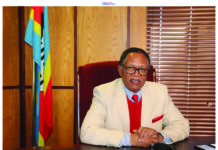
Montigny spokesperson Sihle Mavuso said they had seen a drastic decline in production, mainly on their three main lines, including forestry to Richards Bay where they send about 40 trucks carrying logs. He said their transport sector could not access the forest due to the effects of constant rains, resulting in 50% fewer trucks being dispatched daily.
On a normal day, he said they send between 35 and 50 trucks, but this had been severely affected. Latest figures showed they were dispatching an average of 20 trucks.
Mavuso also revealed that operations in Nhlangano had been affected. Previously, they dispatched between 15 and 20 loads per day, but this had declined by about 10 trucks, with only five to 10 trucks now being sent to South Africa.
“Due to the badly affected terrain, our trucks take more time to travel between our mill site and South Africa. On the plantation, the roads have been seriously damaged, some of the culverts and small bridges have been washed away and it is slippery,” said Mavuso.
As a result, he said heavy machinery such as tractors and excavators were struggling to extract products from the forest.
“This also affects production as we have suffered over E3 million losses. There is no raw material coming from the plantation into the mill. We pray that weather patterns improve so that we may start recovering,” he said.
In addition, Mavuso noted that the effects of torrential rains in neighbouring countries, Mozambique and South Africa, were well known.
READ MORE | ‘Nurture SMEs for resilient, competitive economy’
He said accessing those markets was nearly impossible, even through Komatipoort, as markets had been shut and exports could not be sent through.
Mavuso said they were fully aware of changing weather patterns that had immensely affected production and were exploring alternative methods such as mechanical harvesting, where entire trees are harvested and moved closer to accessible production areas.
“That is where all the other by-products like biomass are processed, making them easier to transport to markets, instead of processing in the plantation. We believe this will help us a great deal,” he said.
“We are also processing our transportation through railways. We are currently transporting above 4 000 tonnes using rail lines. We aim to increase those volumes and see how best we can send other products,” Mavuso added.
Meanwhile, logistics companies sourcing from Mozambique have reported major setbacks due to persistent rains, which have damaged infrastructure and forced companies to reroute operations through South Africa, increasing operational costs.
Business Eswatini (BE) Chief Executive Officer E. Nathi Dlamini said the monetary impact of the rains had not yet been fully calculated.
He noted that infrastructure damage within the Southern African Development Community (SADC) posed a serious threat to business operations and that supplier contracts had been unintentionally breached.
“We have received information from logistics companies that some roads in Mozambique have been washed away. These are serious implications for logistics companies,” said Dlamini.
“Going forward, we need to acknowledge that climate change is real. We must focus on climate-resilient infrastructure because this is the new norm, not a passing effect. We need conversations on how to mitigate infrastructure damage going forward.”