


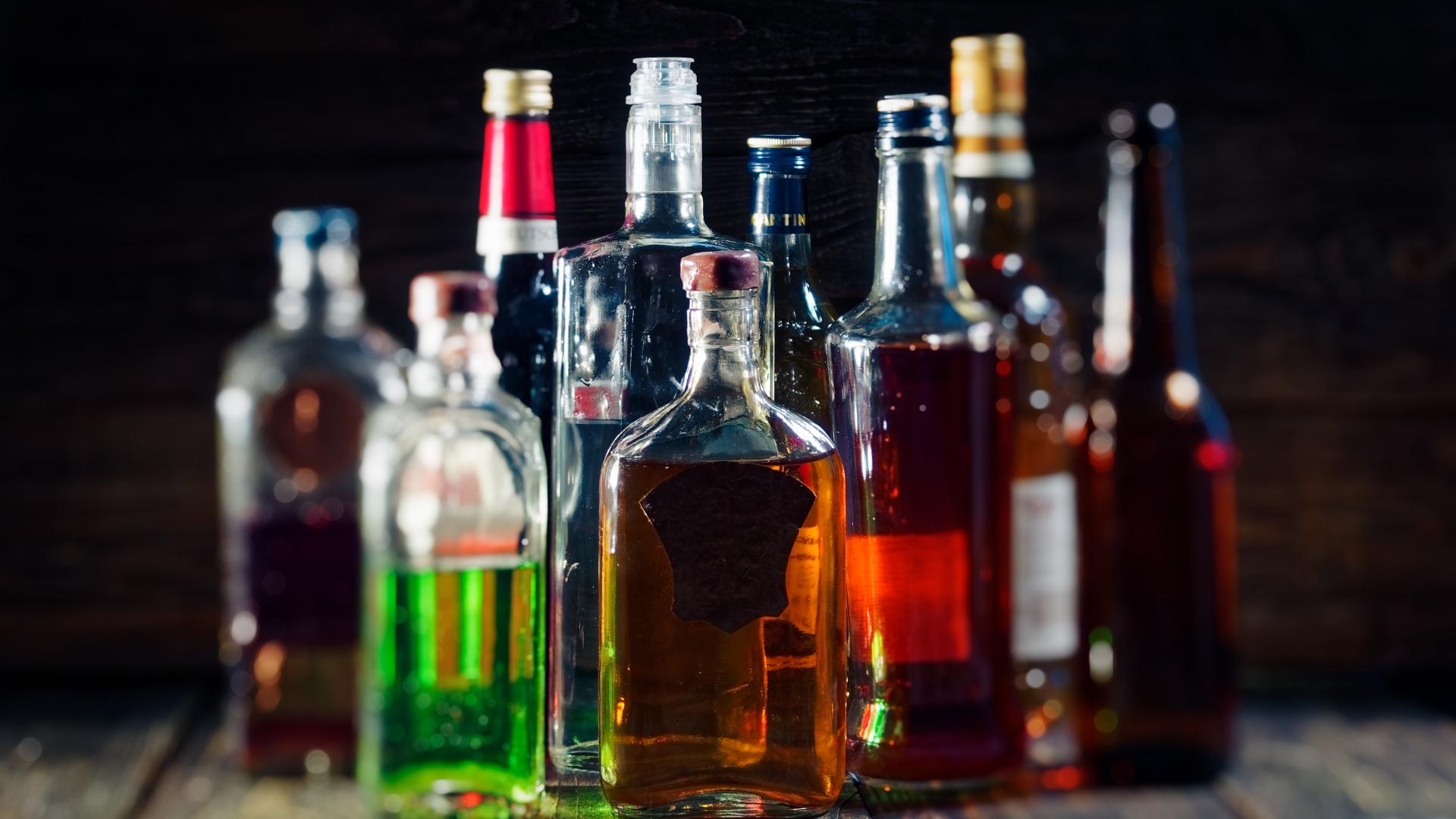
Is all alcohol sold and consumed in Eswatini genuinely safe?
This concern extends far beyond those who merely enjoy the tipsiness accompanying alcoholic beverages; it resonates deeply with individuals who prioritise the safety, quality and authenticity of everything they consume.
The potential health and economic ramifications of unsafe alcohol are far too significant to ignore.
Recent alarming reports have highlighted the widespread infiltration of counterfeit alcoholic beverages into markets across the Southern African Development Community (SADC). Given Eswatini’s geographical proximity and interconnectedness within this region, it is not merely a possibility but a highly probable reality that these illicit products have already found their way into the kingdom.
Also Read: SNAT slams govt over teacher posts shortfall
They enter through various avenues, including official border crossings, informal pathways and sophisticated smuggling networks that exploit existing vulnerabilities. A comprehensive study, recently conducted by the Drinks Federation of South Africa (DF-SA), has cast a stark light on the severity of this issue. The study revealed a staggering increase in the illicit alcohol market, which has surged by an alarming 55 per cent in volume since 2017. This exponential growth underscores a deeply entrenched problem that poses significant challenges to public health, consumer safety and national economies across the region.
The study, meticulously carried out by the independent and reputable research firm Euromonitor International, meticulously details the escalating and multifaceted impact of illegal alcohol.
This includes not only direct threats to public health and consumer safety, but also substantial losses in national tax revenue that could otherwise be used for essential public services.
The DF-SA study’s key findings paint a concerning and detailed picture of illicit market expansion.
The report revealed that the volume of illicit alcohol has escalated dramatically, witnessing a 55 per cent rise since 2017. This trajectory shows a jump from 498 000 hectolitres in 2017, to 665 000 hectolitres in 2020 and further to an estimated 773 000 hectolitres in 2024. To clarify, one hectolitre is equivalent to 100 litres. This demonstrates a consistent upward trend in the availability and consumption of unverified alcohol.
Secondly, it uncovered that illicit alcohol now accounts for a substantial 18 per cent of all alcohol sold in South Africa.
This alarming figure not only reflects the aggressive growth of illegal trade, but also highlights how these unregulated products are seizing a considerable portion of the market, even amidst the legal market’s recovery post-COVID-19 pandemic.
To provide a tangible example of this volume, the study indicates that it equates to every South African adult, above the legal drinking age, consuming the equivalent of 750ml of beer per week, throughout an entire year. This vivid illustration underscores the sheer scale of illicit alcohol consumption and its potential reach into communities.
The study also revealed that illicit alcohol reached an estimated E25.1 billion in 2024, a significant leap from E20.5 billion in 2020 and E12.8 billion in 2017. This upward financial trend suggests a highly lucrative, sophisticated and rapidly expanding criminal enterprise.
The majority of fake alcoholic beverages identified in the study are often imitations of more expensive and popular brands, including whiskies, brandies, vodkas, gins and a select few ciders. These products are targeted due to their higher profit margins and demand, making them attractive to counterfeiters.
Beyond the substantial economic risks posed by consuming counterfeit products which inherently evade crucial levies and taxes that are vital for funding the public purse and national development programmes, there is a profound and immediate public health concern.
contains
Counterfeit alcohol often contains dangerous chemicals, industrial alcohol such as methanol and various impurities, which can lead to severe health consequences ranging from acute poisoning, irreversible organ damage, permanent blindness and in tragic cases, even death.
Eswatini’s existing limitations, particularly concerning the availability of advanced testing facilities and the overall capacity of governmental regulatory bodies, leave emaswati alarmingly exposed to the inherent risks associated with consuming fake alcohol. An independent investigation conducted by this publication has unearthed several critical loopholes within the kingdom’s current systems that potentially exacerbate this vulnerability.
The Sunday Observer can reveal three threats that expose emaswati to fake alcohol consumption.
Firstly, porous border; Eswatini’s extensive and often unpatrolled borders with neighbouring countries, particularly South Africa and Mozambique, present a significant and persistent challenge. The 2024 Organised Crime Index stated that these porous borders serve as readily exploitable conduits for the unregulated entry of myriad illicit products, including large volumes of counterfeit alcohol. Evidence of this vulnerability is amply demonstrated in the 2024/25 annual performance report from the Umbutfo Eswatini Defence Force (UEDF).
The report details numerous interceptions of smuggled trade items, including new and second-hand clothing, cigarettes, electronics, and significantly, alcohol and skin lotion, originating from Mozambique and South Africa. Undeclared trade items alone, valued at E916 646.93, were intercepted and subsequently handed over to Eswatini Revenue Services (ERS) for customs duties.
Furthermore, the army successfully busted additional contraband consignments, including clothing, cigarettes, alcohol, electronic gadgets, and pharmaceutical lotions, with a total value of E241 551.
These were seized and handed over to ERS through official border customs control points across the country. Regrettably, despite these commendable efforts, a considerable portion of these illicit products inevitably makes its way into the country and is ultimately sold to unsuspecting local consumers, thereby endangering citizens who merely wish to enjoy alcoholic beverages responsibly. The sheer volume and consistency of these seizures highlight an ongoing battle against well-organised smuggling rings.
Eswatini Observer Press Reader