


This year’s budget will be one of the most challenging in recent memory.
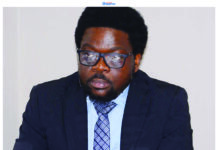
According to University of Eswatini (UNESWA) Economics Lecturer Sanele Sibiya, Minister of Finance Neal Rijkenberg will face a complex balancing act when he prepares and tables government’s budget in February.
This comes against the backdrop of declining Southern African Customs Union (SACU) receipts, limited borrowing capacity after surpassing the traditional 40% debt-to-GDP threshold, and rising recurrent expenditures — particularly the public wage bill.
Sibiya said he expects the minister to prioritise fiscal consolidation, with a target of reducing the budget deficit to around 1.5% of GDP.
He noted that the budget must reflect a shift in fiscal mindset — moving away from debt-driven expansion towards strategic investment, efficiency and long-term sustainability.
The economist advised that new loans should be avoided unless they are accompanied by a credible debt-servicing plan and a clear path to sustained GDP growth and improved domestic revenue collection.
He added that the public wage bill, which now consumes over 33% of the national budget, must be urgently addressed.
Following the recent salary review and an anticipated 3% to 3.5% cost-of-living adjustment, Sibiya said the budget should include targeted measures to contain and rationalise public-sector compensation.

CONTINUE TO READ | Pursue financial freedom, cut debts – CBE
He suggested that early retirement schemes could be explored, although such measures must be carefully weighed against the country’s high unemployment rate.
Sibiya further said increased allocations to education were necessary to diagnose and resolve challenges facing tertiary institutions and to ensure long-term human capital development.
He added that the health budget should also be increased to restore functionality across public health facilities, ensure medicine availability, and consider reforms such as allowing hospitals to retain the E10 service fee for maintenance.
The economist said the Central Medical Stores (CMS) should receive a dedicated allocation as a parastatal to ensure the system operates efficiently.
He also called for increased social protection funding to expand the vulnerable housing project and strengthen social safety nets through the Deputy Prime Minister’s Office.
In addition, Sibiya said increased funding for the Ministry of Information, Communication and Technology (ICT) would support the vision of training 300 000 Emaswati in coding, a move he described as a bold step towards digital transformation and future-ready ICT skills.