

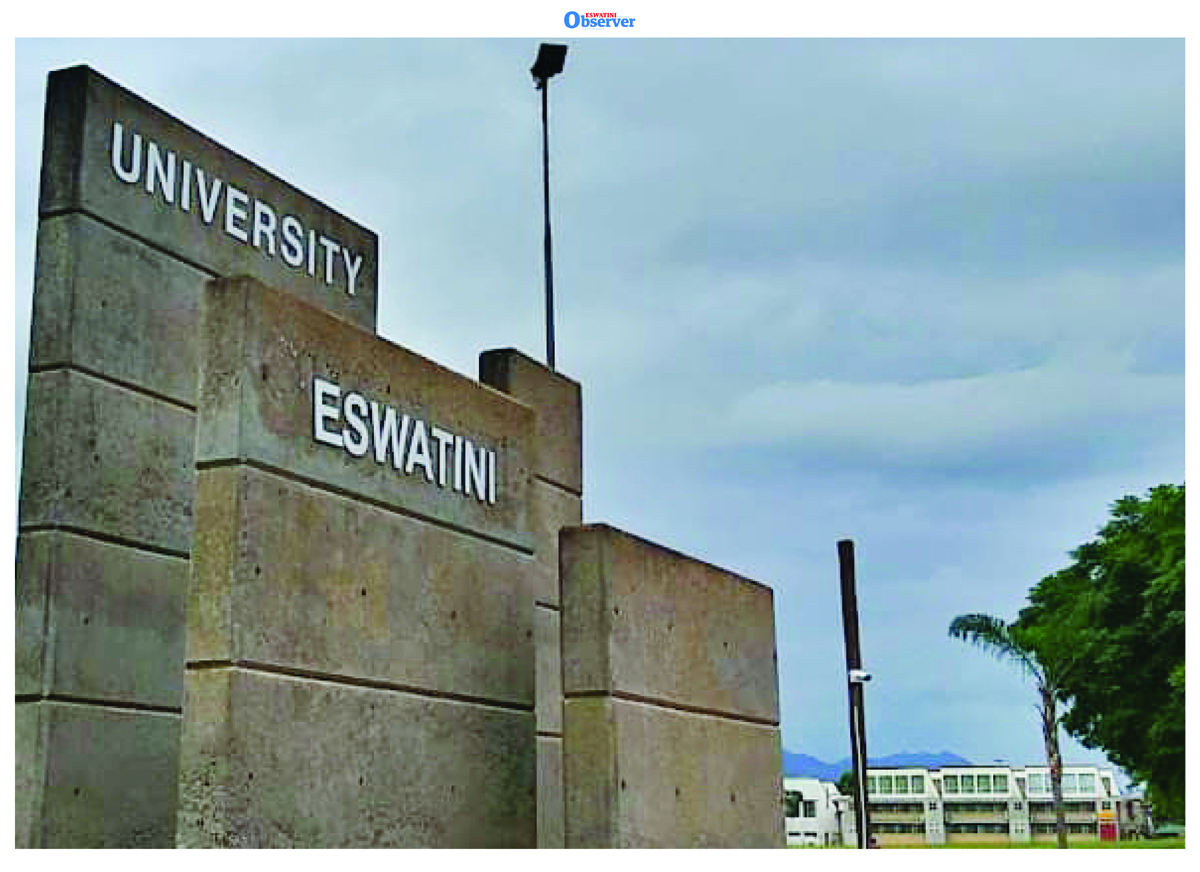
The University of Eswatini (UNESWA) is charging ahead in its transformation process as diagnostic work has already started.
The university, in partnership with PricewaterhouseCoopers, in February started the assessment of the challenges it faces.
This was communicated to students by UNESWA Vice-Chancellor Professor Justice Thwala when providing an update on the implementation of its Transformation Programme.
This is the second step towards the university’s transformation, the first being the adoption of the Transformation Programme Framework by UNESWA Council in January. The framework was informed by the findings and recommendations of the Task Team that was appointed to assess the institution’s challenges.
The Task Team report was officially released by Minister of Education and Training Owen Nxumalo in October 2025, following a six-month assessment exercise by the team under the leadership of Muzi Siyaya. The Task Team’s mandate was to investigate the root causes of the challenges that were faced by the university.
ALSO READ | Over 5 000 have migrated For Taiwan jobs
In his update, Professor Thwala said the initiative is spearheaded by a multi-stakeholder Transformation Steering Committee, which includes representatives from university management, faculties, and students through the Students Representative Council (SRC), as well as the dean of student affairs (DSA). It is aimed at evaluating current operations, identifying inefficiencies and determining areas for improvement as part of efforts to develop a more sustainable operating model.
However, Thwala said part of the diagnostic process, specifically work related to the institutional operations baseline, had been temporarily suspended to allow for full alignment of government processes, particularly the operationalisation of the ministry’s implementation committee that will oversee the implementation of the Task Team Report.
Despite this setback, Thwala said the other components of the diagnostic exercise, particularly those focusing on financial and academic baselines, are nearing completion. A report on these aspects is expected to be ready for engagement with student structures by the end of May.
Furthermore, the vice chancellor said Council and management recognised concerns over the pace of progress, noting that some student challenges have not been addressed as quickly as anticipated. In response to these concerns, he said plans were underway to strengthen engagement with the SRC by establishing a more structured and responsive platform to prioritise student needs.
UNESWA emphasised that the Transformation Programme, together with the Task Team recommendations, is intended to improve students’ overall experience and build a more responsive, student-centred institution.
“Students are kindly requested to remain patient and continue to engage constructively as the transformation structures are being fully operationalised. Further updates are expected in due course,” said Thwala.
The Task Team noted nine priority recommendations.