



JOHANNESBURG – South Africans can expect clarity on a recent study examining chemicals in certain sanitary pads and panty liners sold in the country.
The Social Protection, Community and Human Development cluster is scheduled to hold a media briefing in Pretoria on Sunday to discuss the findings.
The research, published in February by the University of the Free State’s chemistry department, identified endocrine-disrupting chemicals in some products.
The findings have sparked widespread public debate and media attention over potential health risks.
Department of Health spokesperson Foster Mohale said the briefing aims to address public and media concerns and outline the health and regulatory implications of the study.
“The cluster, co-chaired by the Minister of Health Dr Aaron Motsoaledi, will brief the media to clarify the health and regulatory implications and also address some of the concerns raised by the individuals and organised groups regarding the study findings.”
EWN
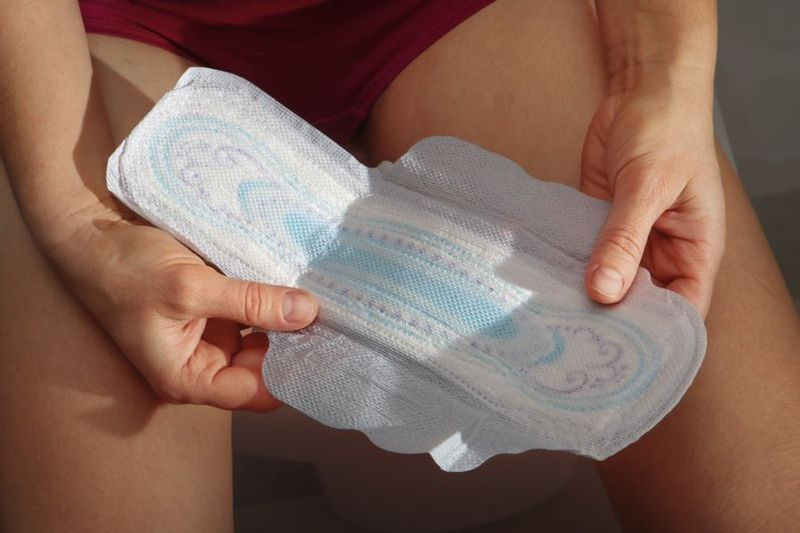
Are your sanitary pads safe? Uncovering the risks of harmful chemicals
A recent study by the University of the Free State has raised concerns after it found harmful chemicals to women’s health in sanitary pads and pantyliners.
According to the study, conducted in South Africa, certain sanitary pads and panty liners may contain harmful endocrine-disrupting chemicals (EDCs) such as parabens, phthalates, and bisphenols.
The research team, comprising Janine Blignaut, Dr Gabre Kemp, Professor Elizabeth Erasmus, Professor Visser, and Professor Marietjie Schutte-Smith, analysed 16 sanitary pad brands and eight pantyliner types widely sold in South African retailers.
They tested for three groups of EDCs:
– Phthalates
– Bisphenols (including BPA)
– Parabens
The results found: bisphenols were detected in 100% of sanitary pads and 75% of pantyliners, while parabens were found in over 81% of pads. Phthalates, often used in plastics, were present in all pantyliners and 50% of pads tested.
The EDCs, like parabens, phthalates, and bisphenols, are substances that interfere with the body’s hormonal system by mimicking, blocking, or altering the action of natural hormones. In women, these chemicals primarily impact reproductive health, developmental processes, and the risk of hormone-sensitive diseases.
Earlier this week, the National Consumer Commission (NCC) vowed to probe the explosive findings.
The spokesperson for the NCC, Phetho Ntaba, confirmed it is investigating nine sanitary pad suppliers.
“These EDCs are linked to health complications such as hormonal imbalance, infertility, endometriosis, and cancer. Millions of South African women and girls use these products monthly,” Ntaba said.
Based on this information, the NCC has initiated an investigation against the following suppliers whose products were apparently tested in the study:
– Kimberly-Clark of SA (PTY) Ltd (Kotex)
– Proctor and Gamble (PTY) Ltd (Always)
– Anna Organics
– The Lion Match Company (PTY) Ltd trading as Comfitex
– Here We Flo trading as Flo
– Johnson & Johnson (PTY) Ltd trading as Stay Free
– Premier Group of Companies trading as Lil-lets
– Essity Hygiene and Health AB trading as Libresse South Africa
– My Time
Ntaba said the investigation aims to review and assess the suppliers’ compliance with the provisions of the Consumer Protection Act (CPA), in particular sections 55 and 24.
“The CPA states that consumers have the right to receive goods that are reasonably suitable for their intended purposes. Consumers also have the right to goods that are of good quality and in good working order. The goods must be free of defects and usable and durable for a reasonable time,” Ntaba said.
The NCC said it would require the suppliers in question to conduct tests on the affected products or provide their latest laboratory results that tested for EDCs, if any.
IOL News