


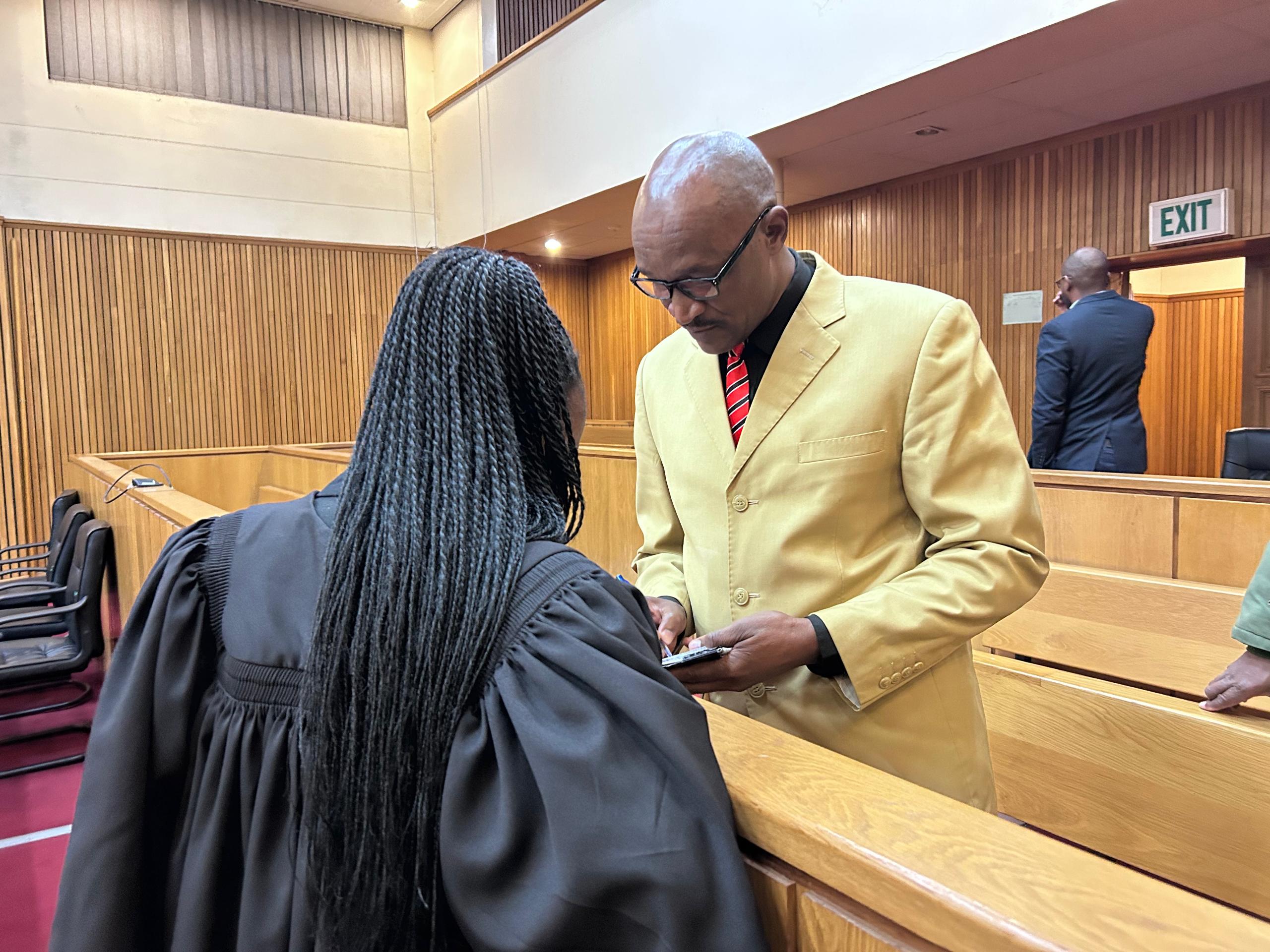
There was utter shock at the Supreme Court when former minister of public works and transport Ntuthuko Dlamini’s sentence for the murder of three men during a land dispute was increased by 15 more years to 35.
The crown successfully appealed the initial sentence of 20 years, arguing that it was unduly lenient given the brutal nature of the crimes.
The apex court agreed, finding that the High Court had misapplied the law when assessing Dlamini’s intention in committing the offences.
Judges Stanley Matsebula, Nkululeko Hlophe, and Judith Currie presided over the matter.
Delivering the unanimous judgment, Justice Hlophe emphasised that the killings, particularly of two of the victims, were carried out with direct intention (dolus directus), not merely legal intention (dolus eventualis) as previously found by the lower court.
“This is one of those rare cases where the crown is permitted to appeal not only on sentence, but also on the basis of a legal misdirection in the conviction. The original court erred in concluding that all three killings were a result of recklessness. In at least two cases, the accused clearly intended to cause death.”
The ruling highlighted chilling details from the violent encounter, which arose from a bitter chieftaincy land dispute in Mhlabubovu. The court noted that Dlamini confronted community members from a rival chiefdom and opened fire.
One victim, former police officer Sikhulu Shongwe, was shot multiple times first while trying to flee, then again execution-style while lying face down after being pulled by his jacket. Another victim, Simon Sipho Dlamini, was shot repeatedly even after being disarmed.
Judge Hlophe found these actions inconsistent with recklessness or unintended consequences. “The continued shooting of defenceless individuals, including firing at close range, shows the killings were deliberate and premeditated,” he said.
The court acknowledged the historical and political tensions between the LaMgabhi and Luyengweni chiefdoms, which may have influenced Dlamini’s moral, but not legal culpability. It also noted that Dlamini had earlier warned of impending “bloodshed” if rival community members were not removed.
While the murder convictions stand, the Supreme Court adjusted the basis of conviction for two of the three murder counts to reflect direct intent.
As a result, the 20-year sentence on count one (still viewed as dolus eventualis) remained unchanged. Sentences on counts two and three have been increased to 35 years each. All three sentences will run concurrently.
For unlawful possession of a firearm (count four), the fine of E5 000 or five years’ imprisonment remained, to be served consecutively with the murder sentence.
The decision ensures that Dlamini will serve an effective 35 years behind bars.