

FOLLOWING the arrest of Mbabane based businessman Zweli Dlamini after the interception of an alleged planned violent attack on members of the public attending Incwala, the Royal Eswatini Police Service (REPS) has launched an intensive investigation, highly placed sources have claimed.
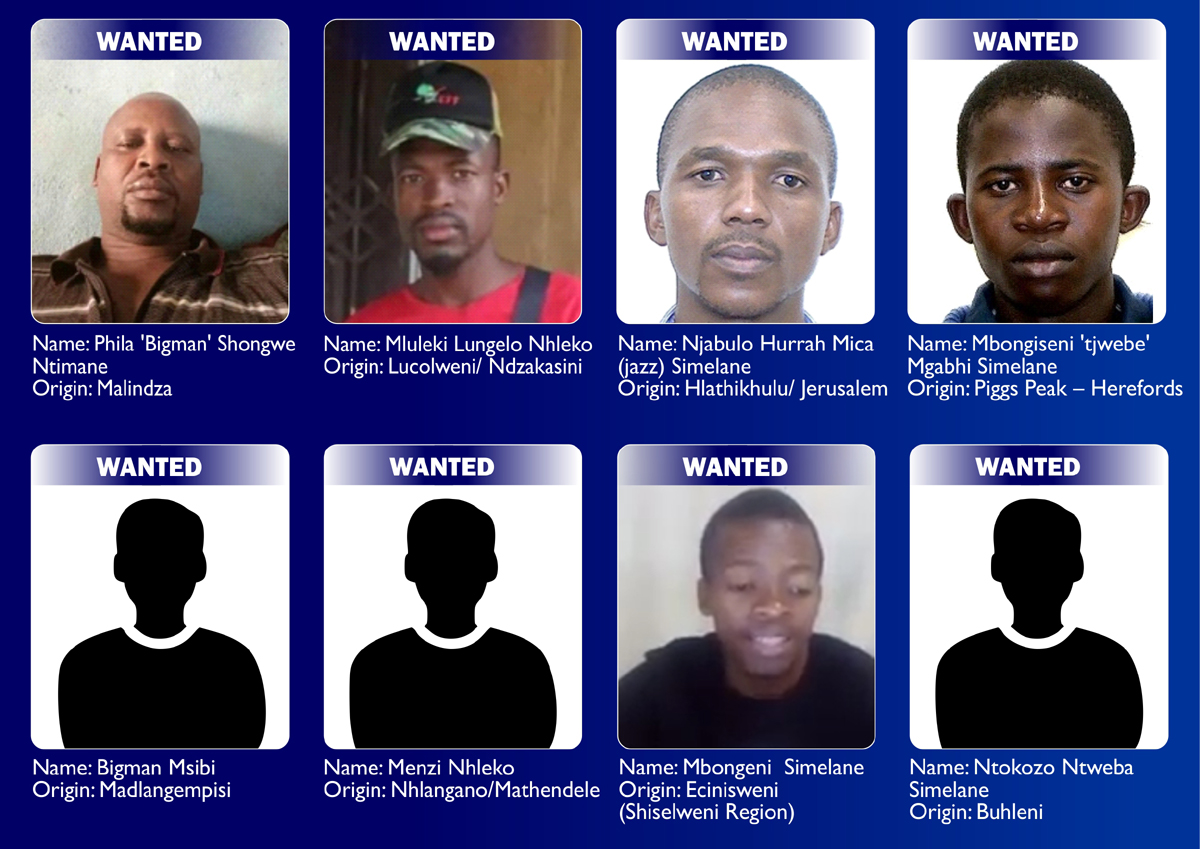
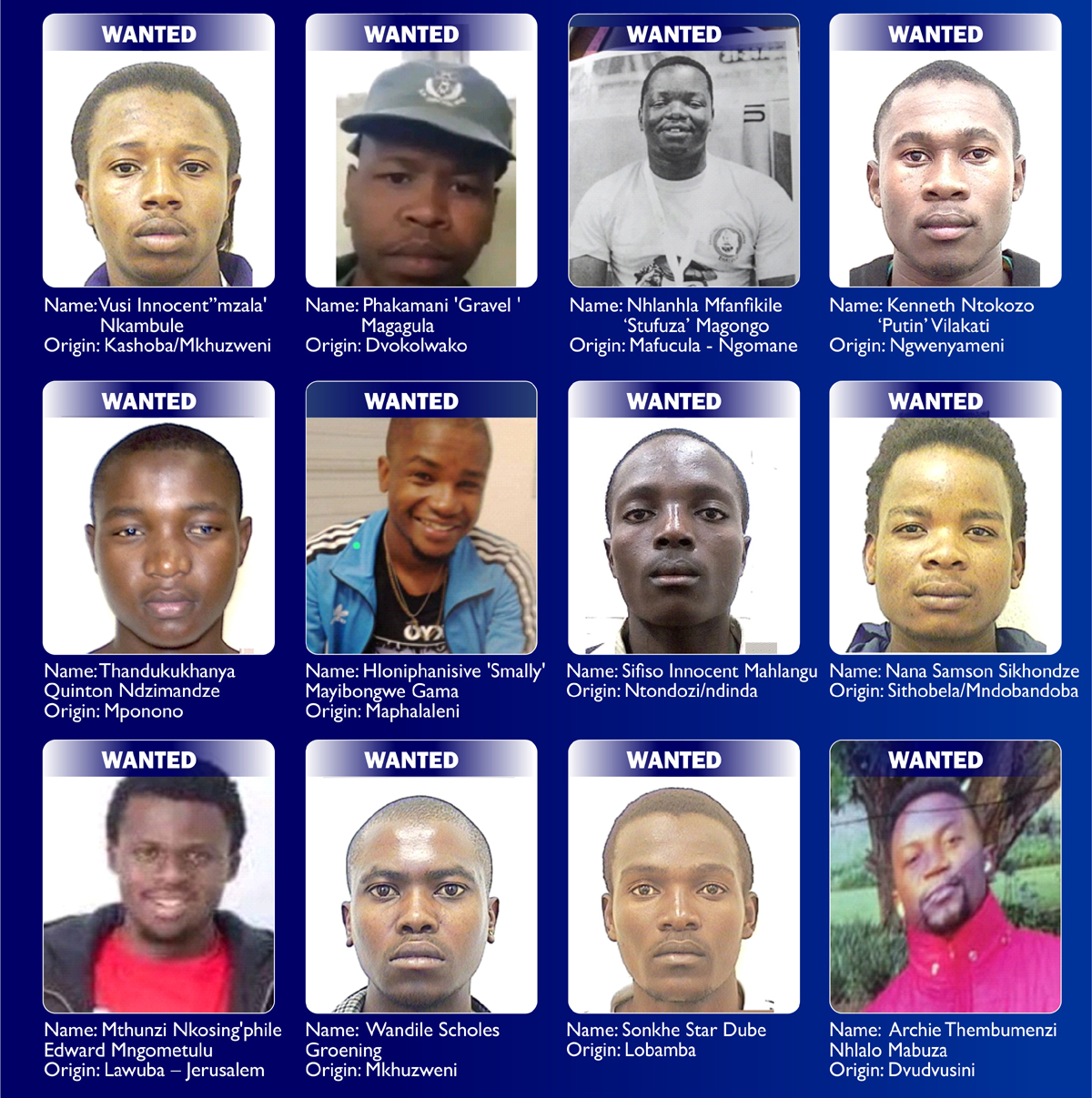
The police are said to be hot on the heels of about 20 more suspects wanted in connection with the alleged plot to disrupt the sacred national event. All 20 men are from within the Kingdom in areas like Dvokolwako, Mkhuzweni, Lawuba, Mndobandoba and others.
Dlamini was arrested after allegedly being found in possession of ammunition, firearms, and an explosive device. The dangerous equipment was reportedly going to be used to carry out fatal shootings during Incwala.
It is alleged Dlamini, together with the underground Swaziland International Solidarity Forces had hatched the oordinated plan to disrupt the ongoing Incwala by shooting its attendants.
According to highly placed sources, the 20 most wanted suspects are believed to be linked to acts of destruction, intimidation, and other criminal activities allegedly planned around the Incwala period.
The sources alleged that the matter would be treated with the seriousness it deserves, given the cultural, spiritual, and national importance of the Incwala ceremony to the Kingdom and the general safety of the citizens.
Yesterday, REPS released a list of 20 most wanted suspects and urged members of the public to assist them in apprehending the individuals.
Deputy PICO Assistant Superintendent Nosipho Mnguni declined to associate the police or link the wanted suspects to the alleged planned acts of terrorism and Incwala disruption.
She said the police were looking for individuals related to various crimes, including attempted murder and murder.
| Police are pursuing 20 additional suspects following the arrest of a Mbabane businessman over an
alleged plot to violently disrupt the Incwala ceremony.
Dlamini was charged with multiple offences, including contravening the Suppression of Terrorism Act, unlawful possession of firearms and ammunition, and possession of an explosive device. In court, the prosecution told the court that investigations revealed that Dlamini had departed the country through the Ngwenya Border Gate on December 18 and returned on December 20 using the same border gate.
The timing of his movements, the State submitted, raised serious concern, given the intelligence about the alleged planned attack.
Upon his return, police are said to have closely monitored his movements as part of a broader intelligence operation aimed at preventing what the Crown described as an imminent threat to public safety. The prosecution told the court that upon arrival at the premises, police officers identified themselves to the accused and cautioned him in terms of the Judges’ Rules.
He was then conveyed to the Manzini Regional Police Headquarters for further investigations. It was submitted that during the course of the investigations, the accused led police back to his residence, where he pointed out and handed over various items allegedly found in his possession.
These items, according to the State, include a Glock 19 pistol loaded with a magazine containing 15 live rounds of ammunition, an extra magazine also loaded with 15 live rounds, a magazine of an R4 rifle loaded with 20 live rounds, 26 live rounds of .38 calibre revolver ammunition, an additional 38 live rounds of ammunition and an M26 hand grenade. In total, police recovered 114 live rounds of ammunition of different calibres.
Dlamini made his maiden appearance at the High Court before Judge Justice Mavuso, who remanded him in custody.
The proceedings were conducted under heavy security, with armed plain-clothes police officers deployed inside and outside the courtroom.
READ MORE | Pedestrians lead in road fatalities
The contingent of police officers who had brought Dlamini to court was led by seasoned investigators Thabo Hlophe and Derrick Makhanya.
He appeared in leg irons and remained under close guard throughout the proceedings.
His attorney, Wandile Maseko, was present in court. Among his charges, Dlamini is charged under Section 5(2) of the Suppression of Terrorism Act, 2008, which criminalises unlawful possession of explosives or terror-related literature and carries up to 15 years’ imprisonment.
He is further charged under the Explosives Act, 1961, for allegedly possessing an M26 hand grenade on December 22, near Matsapha State Warehouse staff houses, with intent to injure persons or damage property.
Dlamini is also accused of contravening Section 11 of the Arms and Ammunition Act, 1961, after allegedly being found in possession of a Glock 19 pistol without a licence at the same location and date.