


MICRO, small and medium enterprises (MSMEs) loans as a proportion of banking assets account for 19.3 per cent.
They contribute 3.4 per to the country’s gross domestic product (GDP).
Central Bank of Eswatini (CBE) Governor Dr Phil Mnisi said the figures meant that more needed to be done to promote access to finance MSMEs.
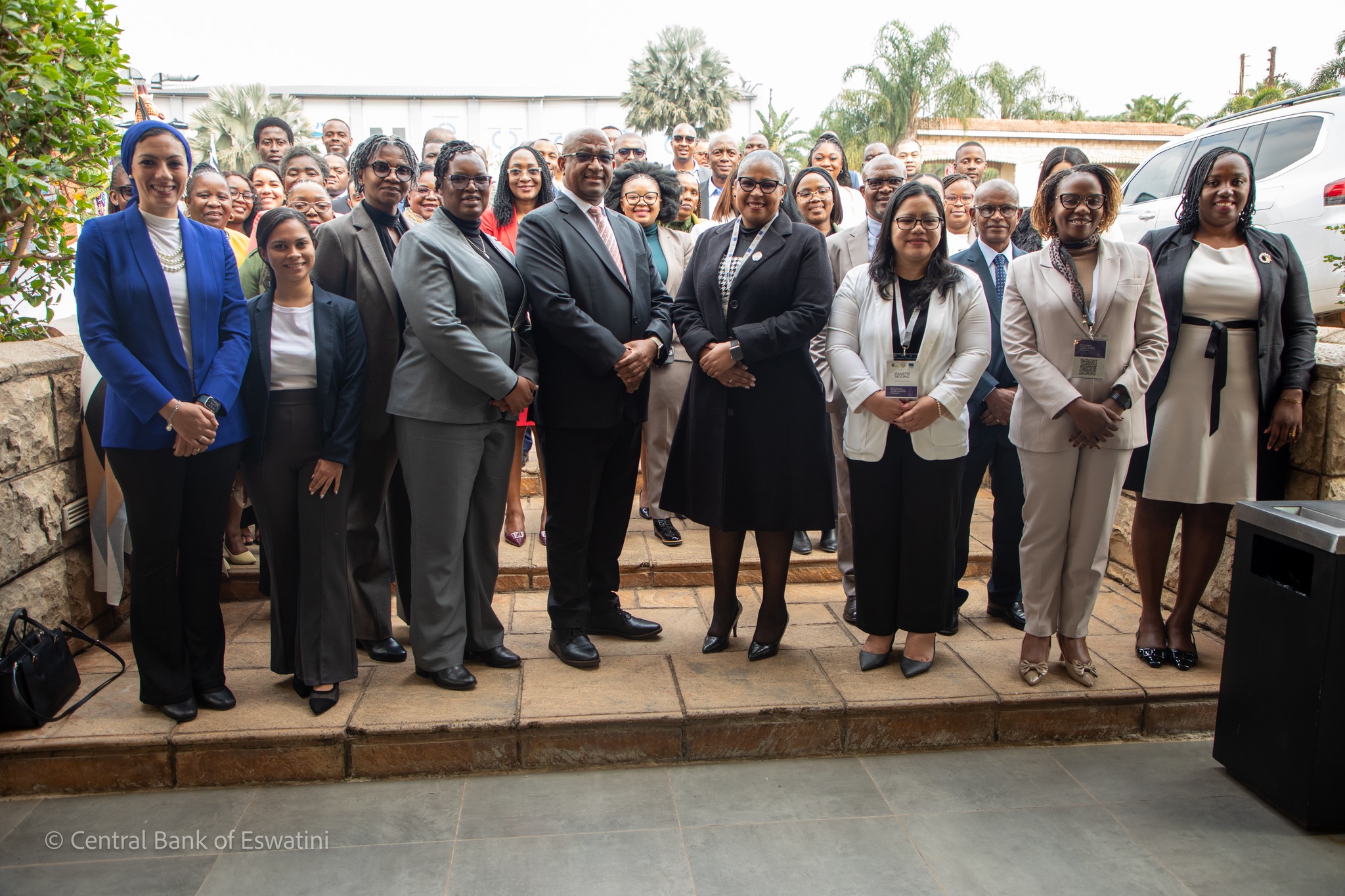
Speaking during the CBE-AFI (Alliance for Financial Inclusion) regional training on greening MSMEs and the role of regulators held at the Happy Valley Hotel yesterday, he encouraged helping them transition to green practices and also scale up their operations. He said the training was important and provided a platform for regulators in the Sub-Saharan Africa (SSA) region to share experiences, priorities and vulnerabilities from different at jurisdictions and further explore opportunities for collaboration. Given that MSMEs were disproportionately affected by climate change compared to other economic sectors, he called for urgent action from policymakers, regulators and development partners to work together in alleviating their precarious situations.
Dr Mnisi noted that CBE was mindful of its role in climate change adaptation and mitigation and as such green finance or greening was one of its key strategic priorities. Working with local stakeholders, including the United Nations Development Programme (UNDP) as an implementing partner, he said the project encapsulated conducting a diagnostic study that assessed the level of awareness and capacity on climate change issues across different sectors of the economy. The governor said this also documented legislative and policy initiatives for climate change commitment and National Determined Contributions (NDCs).

“The initial conversations on greeting started in 2020. However, it was delayed due to COVID-19. In 2024, we commenced our greening journey with a project that focused on two dimensions namely, baseline diagnostic study and development of a national green taxonomy.
“The diagnostic study exercise culminated into a documented roadmap detailing specific actions for CBE to do, from greening its operations and influencing and facilitating the greening of the financial sector,” he said.
While the role of Central Banks in managing risks posed by climate change to the financial system was increasingly being recognised. he said the facilitative role to drive green finance for green and sustainable transition remained blurred. In that context, he said the CBE found it compelling to develop a national green taxonomy and Greening the Central Bank of Eswatini Project delivered an Eswatini Green Finance Taxonomy (EGFT) last year.
Eswatini Observer Press Reader