



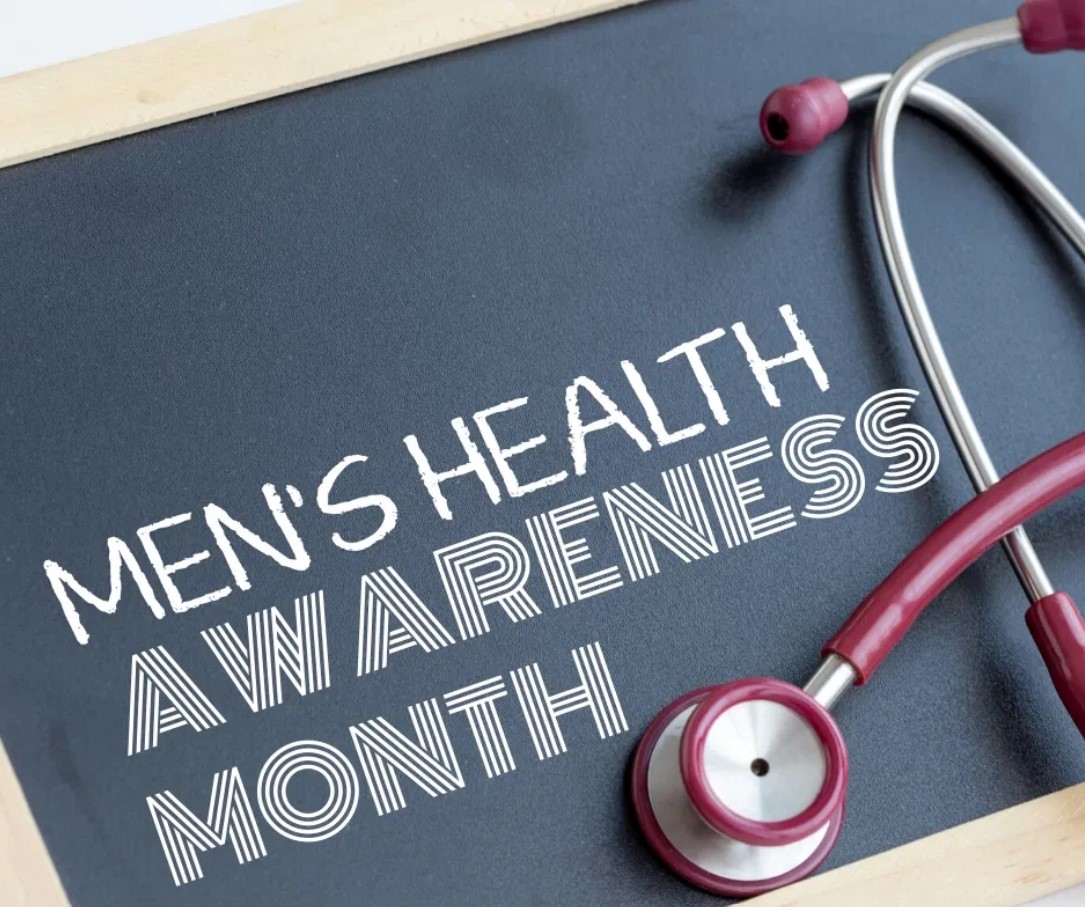
Mental health is increasingly recognised as a critical health issue in Eswatini with common mental disorders such as depression, anxiety and substance abuse being highly prevalent.
According to STEPS Noncommunicable disease Risk Factor Surveillance Report 2024, in the Kingdom of Eswatini, where HIV prevalence remains one of the highest globally, the intersection of mental health and HIV poses significant challenges.
While advancements in treatment have improved life expectancy and quality of life for people living with HIV, the psychological burden remains substantial. People living with HIV are more likely to experience mental health problems than individuals in the general population.
Mental Health and HIV and AIDS Focal Person at the Eswatini National AIDS Programme (SNAP) Promise Dlamini, sheds light on the complex relationship between mental health and HIV in the country.
Understanding the Impact
“The mental health landscape for people living with HIV in Eswatini is a concern,” Dlamini states. “Depression, anxiety, substance use, and suicidal thoughts and stigma-related distress are common. Many individuals grapple not only with the physical effects of the virus but also with social isolation and emotional turmoil.”
Studies indicate that untreated mental health conditions can accelerate HIV progression by weakening adherence to antiretroviral therapy (ART) and increasing risk behaviors. Addressing psychological well-being is thus essential in holistic HIV care.
Mental Health Challenges Specific to Men
For men living with HIV, the struggle involves not only managing a chronic condition but also navigating an unstable mental health, often in silence. Historically, HIV/AIDS has predominantly been discussed within the context of physical health. However, the mental health challenges associated with this condition are profound and multifaceted.
Men, in particular, face unique challenges due in part to societal expectations and traditional notions of masculinity, which often discourage open discussions about mental health.
As Men’s Health Month prompts reflection on health disparities, gendered effects of HIV on mental health come into focus. “Men often struggle with seeking emotional support, partly due to societal expectations around masculinity,” Dlamini notes. “Compared to women, men may experience heightened shame, reluctance to seek help, and internalised stigma.”
One significant issue is the stigma surrounding both HIV/AIDS and mental health and this is often described as double stigma. Many men grapple with fears of judgment and discrimination, leading to feelings of isolation.
This stigma can also hinder them from seeking necessary support and accessing mental health services thus exacerbating mental health issues such as depression and anxiety. Moreover, the diagnosis of HIV/AIDS can trigger a myriad of emotions, including fear, anger, and sadness, which can evolve into more chronic psychological challenges if left unaddressed.
Public misconceptions about HIV contribute to isolation, further exacerbating stress and depression.
The journey of managing HIV /AIDS is challenging enough on its own. The need for consistent medical treatment and lifestyle adjustments can be overwhelming.
Adding mental health struggles into the mix creates a compounded burden, making it imperative to address both aspects simultaneously.
Solutions and Support Systems
Understanding and addressing mental health challenges faced by men living with HIV is essential for comprehensive care and prevention strategies.
The stigma associated with HIV/AIDS remains a formidable barrier, often preventing men from seeking necessary support. It is crucial for communities to foster an environment of acceptance, offering support groups and platforms where men feel safe to express their struggles.
Key to navigating these complex issues is the invaluable support of family, a factor that can significantly shape outcomes in managing both physical and mental health. Amid these struggles, family support emerges as a pivotal factor in managing HIV/AIDS and mental health.
A supportive family environment can provide the emotional stability and encouragement needed to confront the multifaceted challenges faced by men with this condition.
Families who approach the situation with understanding and empathy can help reduce stigma, encourage open communication and support adherence to treatment.
Families can take active steps to bolster the mental well-being of their loved ones living with HIV.
Creating an open dialogue where men feel safe to express their fears and concerns is crucial.
Providing practical support, such as accompanying them to medical appointments or helping manage medication, can alleviate some of the burdens they face. Forgiveness and understanding from family members can be transformative.
When families come to terms with the diagnosis and embrace their loved ones without judgment, they create an environment where men feel safe to express their fears and struggles. This acceptance can significantly alleviate the burden of shame and guilt.
Support networks play a vital role in mental well-being. Encouraging men to engage in peer counselling or support groups can create a sense of belonging and reduce feelings of isolation. These networks provide an opportunity to share experiences, learn coping strategies, and cultivate hope.
Overcoming Barriers. Raising awareness about the connection between mental health and HIV/AIDS is crucial. Educational campaigns can challenge stereotypes and debunk myths about both HIV and mental health issues.
By promoting understanding and empathy, these initiatives can shift public perception, reducing stigma and encouraging men to seek help when needed.
Prevention is always key and it begins with education. Comprehensive education that includes information on mental health can empower men to make informed choices, reducing the risk of HIV transmission and fostering psychological resilience. Promoting the use of preventive measures like PrEP (pre-exposure prophylaxis) can also reduce anxiety surrounding potential HIV exposure.
Social perceptions of masculinity further discourage men from admitting vulnerability.
“We need to reshape narratives around strength and well-being,” Dlamini urges. “Seeking mental health support should be seen as an act of courage, not weakness.”
Moving Forward
As Eswatini continues to strengthen its HIV response, integrating mental health care into HIV services will be a key priority. Commemorating Men’s Health Month serves as an opportunity to amplify awareness and encourage men to prioritize both their physical and psychological well-being.
To make sure that men are encouraged to tackle these challenges, the ministry of health has introduced men-friendly sections within the country’s health facilities.
“As a nation, we must foster environments where men feel empowered to seek help and live fulfilling lives despite their HIV status,” Dlamini concludes.


![Alpheous Mfana Nxumalo.[Illustrative Image]](https://eswatiniobserver.com/wp-content/uploads/2026/04/Money-In-The-Bag-218x150.jpg "Govt offers Alpheous E1.2m")

