



The country’s health system is facing another grave test.
As the kingdom grapples with an acute drug shortage crisis while being named among those with the highest suicide rates globally, new data now places the country at the very top of a far more lethal league table: cervical cancer deaths.
According to statistics drawn from World Population Review figures for 2026, the country records the highest cervical cancer burden in the world, with an incidence rate of 57.8 per 100 000 women.
The country’s crude incidence rate far exceeds that of neighbouring states already considered high-risk.
Lesotho follows at 49.9, Malawi at 42.8, Zimbabwe at 39.2, and Comoros at 38.8. South Africa, by comparison, records 35.6.
Even more alarming is the cumulative risk, as a girl born in the country today faces an 8.6% chance of developing cervical cancer by the age of 74 if current trends persist. This is among the highest lifetime risks recorded globally.
All in all, Southern Africa dominates the list of countries with the highest cervical cancer rates, reflecting shared challenges. Malawi (42.8), Zimbabwe (39.2) and Mozambique (33.1) all feature prominently, as do Zambia and Tanzania further north.
In public health terms, these figures, according to medical doctor and Ekuphileni Clinic Chief Executive Officer (CEO) Dr Advocate Dlamini, place the country in a category of extreme vulnerability.
Dr Dlamini’s explanation for the country’s alarmingly high cervical cancer death rate is that too many girls are being exposed to sex far too early, when their bodies are not ready to fight the virus that causes the disease.
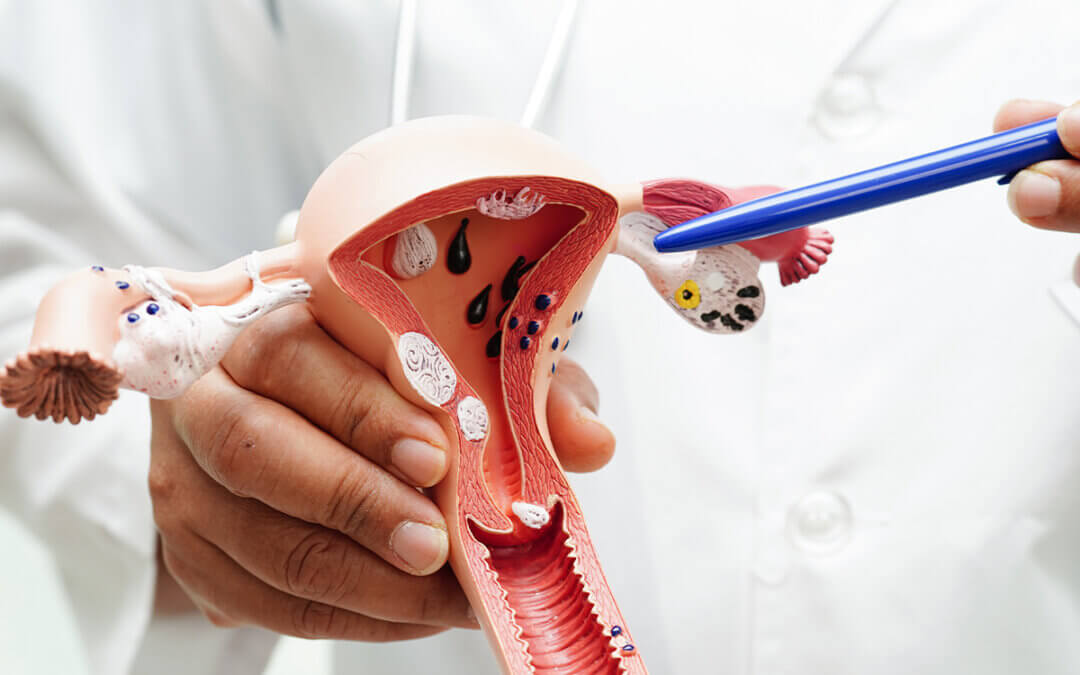
“Cervical cancer is caused by a sexually transmitted virus known as the human papillomavirus (HPV). Not all HPV types are dangerous, but types 16 and 18 are responsible for most cervical cancer cases worldwide. Once the virus enters the body, it can quietly damage cervical cells over time, eventually turning them cancerous,” he explained.
In the country, Dr Dlamini said, this process often starts during adolescence.
“When girls begin sexual activity very young, their reproductive organs are still immature. That immaturity makes the cervix highly vulnerable to HPV infection,” he added.
This early sexual debut, or what Dr Dlamini referred to as early coitus in medical terms, allows the virus to embed itself more easily.
Once inside an immature cervix, HPV can insert its genetic material into healthy cells, setting off changes that may later become cancer.
One of the most shocking findings, Dr Dlamini said, is the age of many cervical cancer patients.
Deaths are increasingly recorded among women in their early to mid-20s, far younger than is typical in countries with strong prevention systems.
“The danger is multiplied by HIV, which remains widespread in Eswatini. HPV and HIV are tightly linked. HIV weakens the immune system, allowing HPV infections to persist and progress much faster,” he said.
“In many of the women dying from cervical cancer, HIV is also present. The two diseases move together,” he emphasised.
Women living with HIV, he added, are more likely to develop aggressive, late-stage cervical cancer, often Stage 3 or 4, by the time they are diagnosed.
Despite cervical cancer being one of the most preventable cancers, the country continues to lose women because prevention efforts are falling short.
According to Dr Dlamini, this is due to declining condom use and widespread misunderstanding of PrEP, medication that prevents HIV.
He decried the belief among many young people that protection from HIV equals protection from all sexually transmitted infections.
HPV, he stressed, is still easily transmitted without condoms, while emergency contraception such as morning-after pills offers no protection against HPV or HIV.
“Peer pressure and social media also play a role. Young girls are influenced by friends and online narratives that normalise early sex, often without honest conversations about long-term health risks,” he said.
“Economic hardship also deepens the problem, pushing some young people into risky sexual relationships. Cultural myths and misinformation further weaken prevention messages,” he added.
Dr Dlamini also pointed to the role of men, particularly uncircumcised men, who are more likely to carry and transmit HPV.
The virus, he explained, often lives under the foreskin, making transmission easier during unprotected sex, underscoring that while cervical cancer affects women, its transmission is driven by sexual behaviour on both sides.
“Cervical cancer grows slowly. If caught early, it is highly treatable. A simple Pap smear can detect abnormal cells long before cancer develops. HPV testing can identify women at risk,” Dr Dlamini said.
The challenge, he added, is that many women do not test regularly.
“Some live far from clinics. Others only seek care once symptoms appear, such as persistent bleeding unrelated to menstruation, by which time the cancer is often advanced,” he said.
Women who arrive early, he noted, can be treated with minor procedures to remove affected tissue. Those who arrive late may require hysterectomies, chemotherapy or radiotherapy. Those who arrive too late cannot be saved.
The Ekuphileni Clinic CEO concluded that the country’s cervical cancer crisis is not inevitable, but preventable.
Delaying sexual debut, restoring trust in condoms, scaling up HPV vaccination, expanding screening and integrating cervical cancer care with HIV services could dramatically reduce deaths, he said.
“Instead, weak prevention, donor-dependent programmes and limited rural access have allowed a preventable disease to become one of the country’s deadliest killers of women,” he complained.
“This cancer should not be killing young women. When it does, it means we failed to prevent it early,” he added.
The Ministry of Health has acknowledged that the country records the highest cervical cancer mortality rate globally, attributing the crisis to a combination of high HIV prevalence, poverty, weak prevention systems and long-standing gaps in screening and treatment.
According to Director of Health Services Dr Velephi Okello, the figures reflect deep structural vulnerabilities in the health system rather than an inevitable disease burden.
Cervical cancer, she said, is largely preventable and treatable if detected early, yet continues to claim lives because too many women are diagnosed late and too few are protected from the virus that causes it.
At the centre of the problem, she said, is the country’s exceptionally high HIV prevalence, estimated at 25.9% among adults.
Women living with HIV, Dr Okello explained, are up to six times more likely to develop cervical cancer, as weakened immunity allows persistent infection with high-risk HPV strains.
HIV also accelerates progression from infection to invasive cancer, leading to more aggressive disease and poorer outcomes.
“HIV and cervical cancer are closely linked in this country. Where HIV is widespread, cervical cancer becomes deadlier if prevention and early detection are not strong,” she said.
The ministry has conceded that HPV vaccination came too late to protect most women currently at risk, noting that until recently, the vaccine was not part of the national immunisation schedule.
Coverage among adolescents was effectively zero before 2024, when a national HPV vaccination programme was finally rolled out with international support.
Screening and early detection remain another major weakness.
“Although Pap smears, visual inspection with acetic acid (VIA) and HPV testing are available, coverage is low, particularly in rural areas,” Dr Okello said.
As a result, many women only present when the disease is already advanced, limiting treatment options and reducing survival chances.
Health system constraints have further compounded the crisis.
The country has limited oncology infrastructure, few specialised treatment centres and shortages of trained personnel.
“Women face long travel distances, high indirect costs and social stigma when seeking care. Weak referral systems and delays between screening and treatment continue to undermine outcomes,” she said.
Socio-economic factors, Dr Okello added, also play a decisive role.
Poverty and gender inequality restrict women’s access to preventive services, while cultural discomfort around gynaecological examinations discourages screening.
“Lifestyle risks, including tobacco use, add to the burden,” she said.
The ministry recognises that reversing the trend will require more than policy alignment with global targets.
“We must strengthen prevention, expand screening, integrate HIV and cancer services, and ensure women move quickly from diagnosis to treatment,” Dr Okello emphasised.