


The Eswatini Copyright and Neighbouring Rights Society (ESWACOS) has engaged the South African Music Performance Rights Association (SAMPRA) and other Southern African bodies to improve the management of music royalties across borders.
The programme brought together collective management organisations from across Southern Africa, including Namibia and Lesotho, creating a platform for technical learning on licensing, royalty distribution and performer protection.
ESWACOS officials engaged in sessions designed to align regional systems with international standards in the management of neighbouring rights.
The engagement is expected to improve how royalties are collected and distributed across borders, especially for recording artists and performers whose works circulate within the Southern African region.
The collaboration also highlighted opportunities for harmonised systems that can strengthen enforcement and expand market access for creatives.
ESWACOS Executive Director Mmeli Hlandze said the exchange marked a strategic step in strengthening local creative rights infrastructure.
“Our participation was a critical step in aligning the country’s collective management systems with international best practices, especially strengthening cross-border collaboration on neighbouring rights administration,” he said.
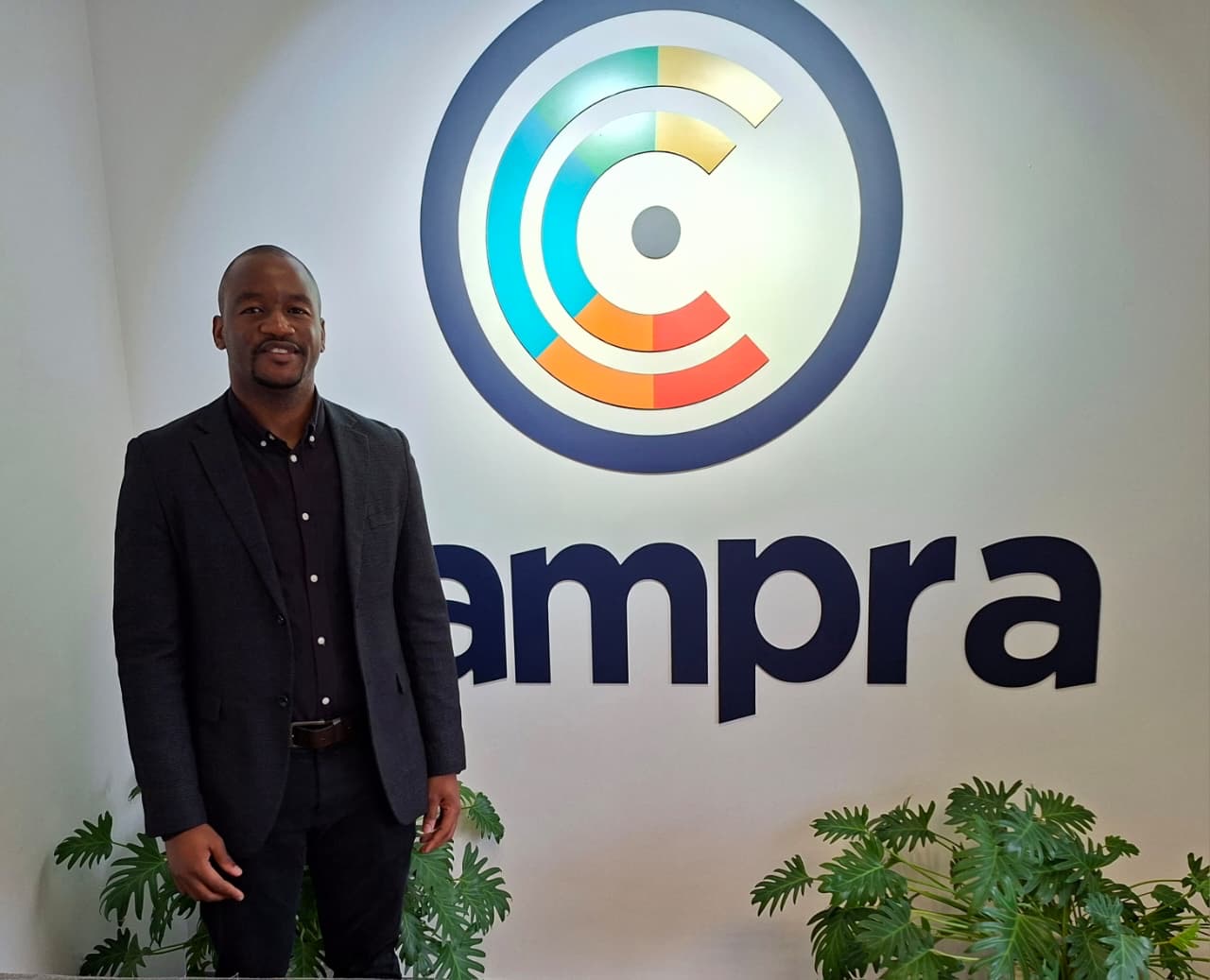
He added that working closely with SAMPRA and other regional organisations would improve efficiency in licensing and royalty distribution, ensuring that local artists benefit fairly from their work both locally and across borders.
“This knowledge will help ESWACOS strengthen its systems so that members benefit from fair, timely and accountable royalty collections,” he said.
Hlandze further noted that the partnership extends beyond South Africa, with collaboration also involving the Namibian Society of Composers and Authors of Music (NASCAM) and the Lesotho Copyright Society of Authors and Artists (LESCOSAA), aimed at building a unified regional approach to rights management.
The programme is expected to enhance cross-border royalty flows, allowing local creatives to access new markets while improving transparency in collections and payments.
He said the initiative positions the country’s creative sector for long-term sustainability and global competitiveness.
“It also creates opportunities for our members to access new markets while ensuring their rights are respected beyond borders,” he revealed.
For Hlandze, the engagement forms part of broader efforts to strengthen the region’s creative economy through coordinated systems and shared expertise.