

Government has reaffirmed its steadfast commitment to safeguarding the rights and well-being of all children, declaring child protection and development as a national priority.
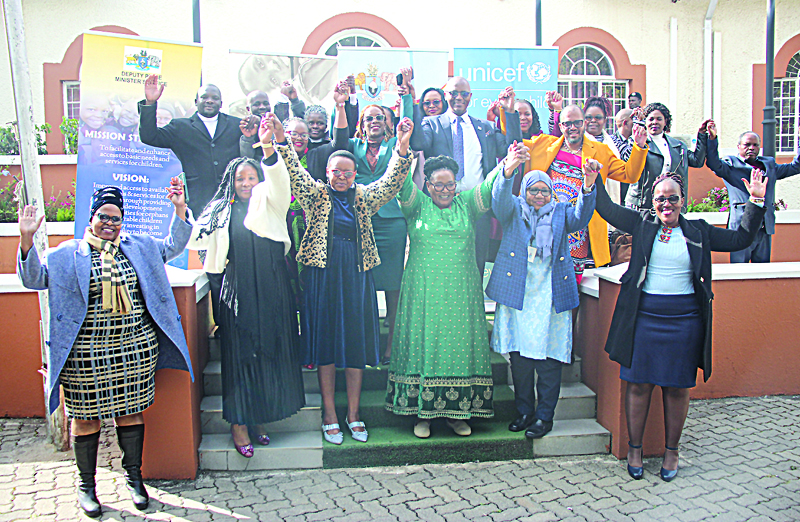
This was highlighted by Deputy Prime Minister (DPM) Thulisile Dladla during the national commemoration of the Day of the African Child held at the DPM’s office yesterday under the theme ‘Planning and Budgeting for Children’s Rights: Progress since 2010. The event brought together senior government officials, development partners and civil society leaders, including UNICEF Country Representative Amina Mohammed and Children’s Consortium Chairperson Nelisiwe Nhlabatsi.
The Day of the African Child is commemorated annually on June 16 to honor the memory of the 1976 Soweto Uprising in South Africa, where learners lost their lives while protesting against the inferior quality of education and demanding instruction in their native languages. The day serves as a reminder of the importance of advancing the rights and welfare of African children through education, protection and meaningful policy action.
DPM Dladla led the participants in a moment of silence to honour the children who have lost their lives due to violence, poverty and systemic neglect across the continent. She used the occasion to highlight Eswatini’s commitment to prioritising children’s welfare through strategic investment, policy coherence and inclusive planning.
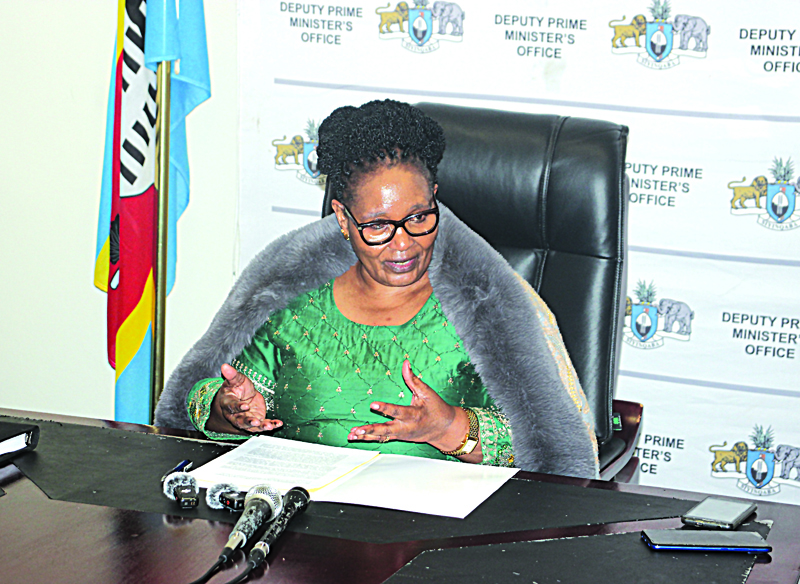
“Investing in children is not only a sound strategic choice for inclusive and sustainable development, but also a constitutional and legal obligation of government.
“Effective and efficient public budgeting is among the most powerful tools to turn policy commitments into real change delivering the quality services children need to survive, grow, learn and thrive,” said Dladla.
She emphasised that placing children at the centre of policies, plans and budgets is essential to strengthening human capital, accelerating inclusive economic growth and fostering national resilience. She noted that the government is committed to ensuring that children’s needs are systematically integrated within the country’s broader development strategies, including the National Development Plan and the Sustainable Development Goals (SDGs).
In line with international legislative frameworks and Eswatini’s development priorities, government pledged to collaborate with all stakeholders to develop inclusive national and sectoral plans responsive to children’s needs, with a focus on equity and leaving no child behind.
Government also pledged to develop and implement costed plans that support transparent and needs-based budget allocations in areas critical to child well-being, such as food security, nutrition, education, healthcare, climate resilience and child protection and romote cross-sectoral coordination to address multidimensional child deprivations and ensure that all interventions are outcomes-driven and equity-focused.
She also reaffirmed that government would work alongside international partners, civil society and communities to uphold the rights of every child and build a future where all children in Eswatini are empowered to reach their full potential.