


The Arts Centre studio, designed to meet the needs of Eswatini’s creative artists, is now 95% complete, marking a significant milestone for the country’s cultural landscape.
The update was confirmed by Eswatini National Council of Arts and Culture (ENCAC) CEO, Stanley Dlamini, who shared the news yesterday.
“We are ready to have the minister of sports, culture and youth affairs, along with board members, tour the studio and officially open it for artists’ use,” said Dlamini.
The studio is expected to become a vital space for artists, producers, and other creatives to develop their craft and showcase their talents.
Dlamini emphasised the important role that the creative community played in shaping the studio’s offerings.
| Eswatini Observer WhatsApp Channel
“Artists, producers and other creatives contributed significantly to determining what instruments and equipment were needed for the studio. Their input was vital because the studio is ultimately for their use,” he explained.
Among the equipment already provided are traditional instruments such as the sigubhu, highlighting a strong commitment to preserving Eswatini’s rich cultural heritage.
While the current inventory is impressive, Dlamini noted that the Council remained open to suggestions.
“We are still open to hearing what other equipment needs artists may require to fully utilise the studio,” he added.
In a demonstration of the centre’s role in cultural preservation, Dlamini also spoke about a training initiative taking place at the ENCAC offices.
“Today, we have a group involved in a vibrant training programme aimed at teaching young people the art of playing makhoyane, a traditional musical instrument made from a bow and calabash,” he said.
He added that DJs had also shown interest in incorporating indigenous productions into their projects.
With the studio nearly ready, excitement is building within the creative industry.
Eswatini Music Producers Association (EMPA) General Secretary, Slotta, expressed eagerness:
“We are awaiting the launch of the studio to start our indigenous music workshop, which is aimed at reviving traditional Eswatini sounds and musical instruments.”
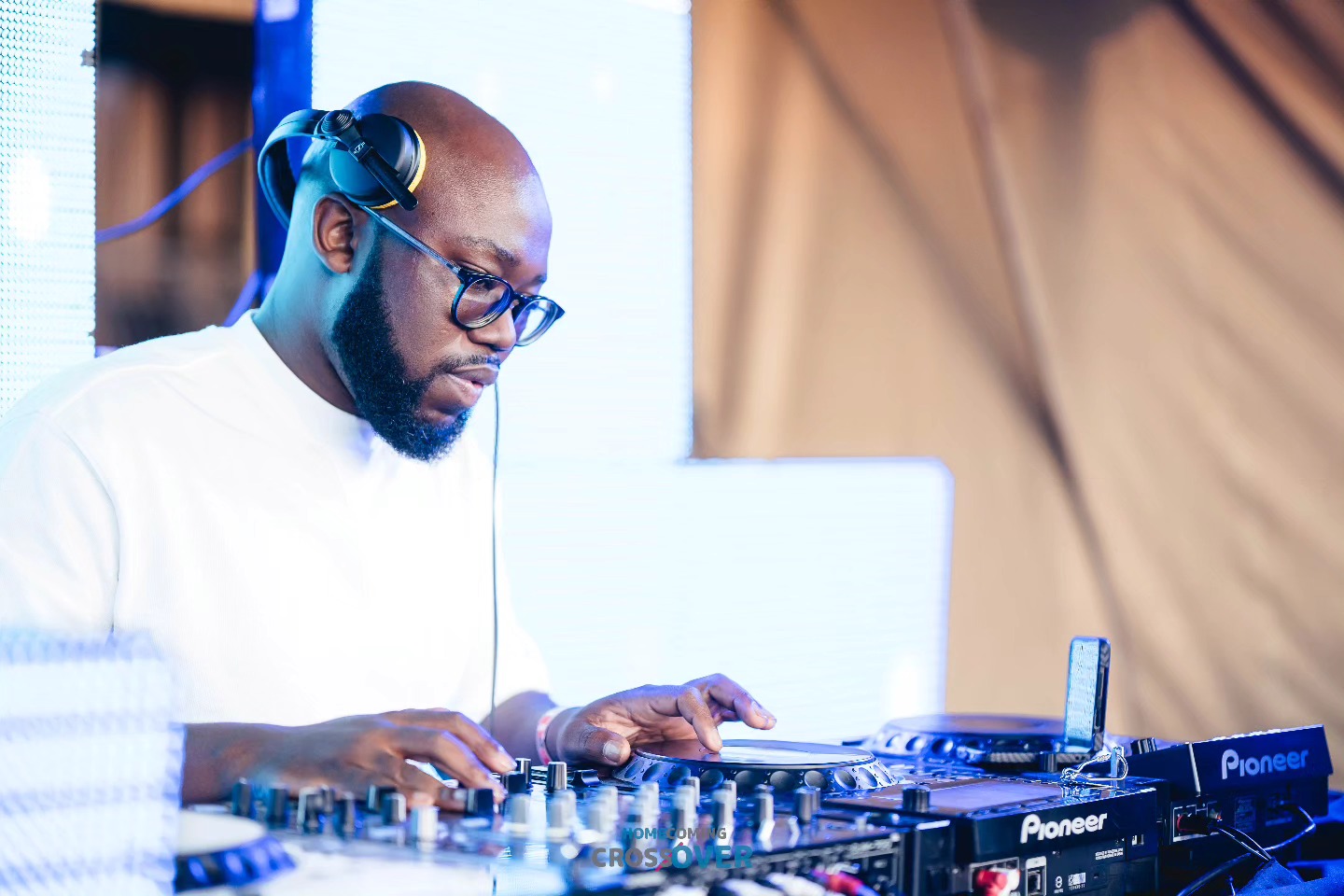
Slotta also outlined EMPA’s broader plans to engage communities across the nation.
“We plan to visit all four regions of the country to sensitise people about our work. Our goal is to archive and teach the playing and making of traditional instruments to preserve Eswatini’s cultural heritage for future generations,” he explained.
The near-completion of the Arts Centre studio represents a promising step forward in nurturing local talent and ensuring that Eswatini’s cultural traditions continue to thrive in the modern era.
“With strong support from both government and the creative community, the studio is poised to become a cornerstone of artistic development and cultural preservation in the country,” said Steez, a hip-hop recording artist.
Eswatini Observer Press Reader | View Here