


Teachers have threatened mass protests against the Eswatini Electricity Company (EEC) should the proposed electricity tariff increase be approved.
They warned that electricity has become unaffordable for ordinary workers amid worsening economic conditions. The threat was issued yesterday during the final electricity tariff public consultation hosted by the Eswatini Energy Regulatory Authority (ESERA) at The George Hotel in Manzini.
The meeting brought together stakeholders from across society to make submissions on EEC’s application to increase electricity tariffs.
The Manzini engagement marked the last consultation exercise, following similar sessions held in Nhlangano, Siteki, Ezulwini and Mbabane, ahead of ESERA’s final determination on the application.
Under the current application before ESERA, EEC is seeking an average electricity tariff increase of about 20.67 percent, significantly higher than previous annual adjustments.
The proposed hike will affect different customer categories unevenly, with standard domestic consumers facing increases of up to 26 percent, while lifeline or low-income users could see tariffs rise by around 15.6 percent. If approved, the increase will sharply reduce the amount of electricity households can purchase for the same amount of money, deepening affordability challenges at a time when wages remain largely stagnant and the cost of living continues to rise.
The proposal has triggered widespread concern and resistance from labour unions, civil society groups and consumers, who argue that the increase is excessive and socially unsustainable.
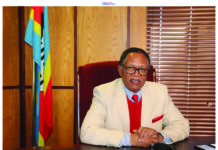
Addressing the forum, Swaziland National Association of Teachers (SNAT) Secretary General Lot Vilakati said teachers were already struggling to survive on stagnant salaries and could not absorb any further increases in the cost of electricity.
He said workers were being forced to buy electricity units in small amounts at the end of each month, a reality that reflected the deepening economic crisis facing the country.
Vilakati accused regulators of conducting consultations merely as a procedural exercise, arguing that public input rarely influenced final decisions. He said it had become routine for stakeholders to attend hearings, express their concerns and objections, only for ESERA and EEC to proceed with tariff increases regardless.
READ MORE: KING GIFTS LIBUTFO E45M IMBASHA
He said teachers had no financial capacity to accommodate higher electricity costs, noting that when unions negotiated salary adjustments, government offered increases of about three percent, while EEC was proposing tariff hikes of up to 28 percent. Vilakati questioned where workers were expected to find the money to bridge that gap, adding that such proposals undermined the realities facing Emaswati.
He further said SNAT, which is affiliated to the Trade Union Congress of Swaziland (TUCOSWA), would escalate the matter to the federation and push for broader workers’ mobilisations should the tariff hike be approved. According to Vilakati, workers’ strength lay in protest action rather than continued engagement in forums that yielded no tangible outcomes.
Vilakati said it was time for Emaswati to rise and defend what he described as their basic right to affordable electricity, warning that resistance would not be limited to speeches and submissions.
He also questioned EEC’s financial narrative, saying the utility had previously announced profits without accounting to the public on how those funds were utilised, only to later cite debt as justification for tariff increases. He said workers were unwilling to shoulder payments exceeding E200 million to South Africa’s Eskom while some electricity users within the country were allegedly not paying for power.
Raising concerns over energy policy, Vilakati questioned delays in local power generation, noting that coal was already being mined in Eswatini and exported. He asked what prevented EEC from forming regional partnerships to reduce electricity costs, pointing out that electricity in neighbouring Mozambique was cheaper while Emaswati earned significantly lower wages.
ESERA said the public consultations formed part of its statutory process to balance the sustainability of the electricity sector with consumer affordability. The regulator is expected to consider submissions made during the consultations before announcing its final decision on the proposed tariff hike.