


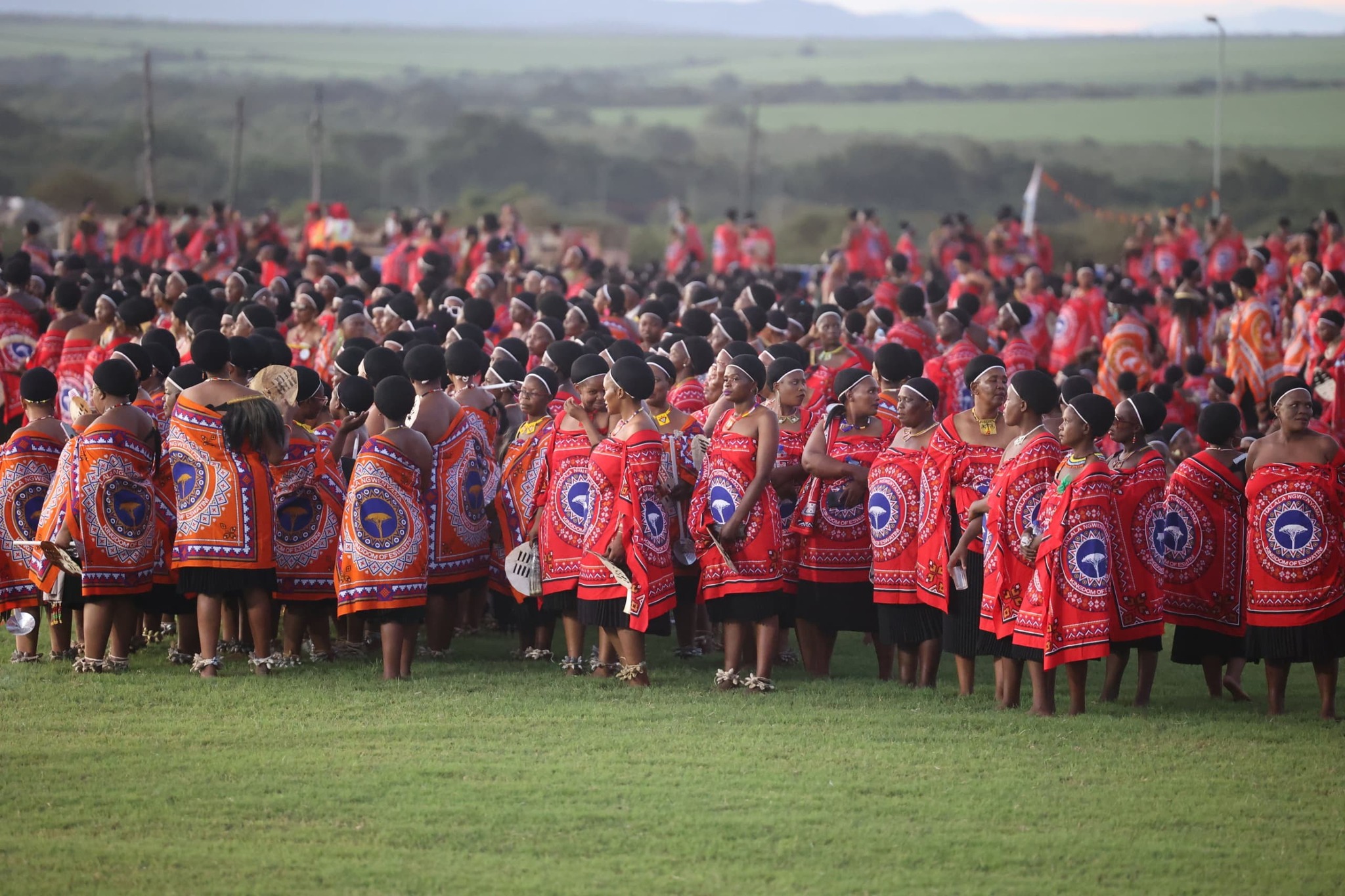
In the kingdom, tradition is far more than ceremony, it is the living rhythm of national identity.
From royal rituals to community gatherings, the country’s cultural calendar reflects a society deeply connected to its heritage and guided by customs passed from one generation to the next.
It is within this rich cultural landscape that His Majesty King Mswati III last year proclaimed a new public holiday to be observed at Hlane during the second leg of the Buganu Festival — a decision that carries both symbolic and cultural weight.
More than simply another day on the national calendar, the holiday represents a tribute to the strength, dignity and cultural guardianship of women, particularly the revered Lutsango — the women’s regiment that plays a central role in many royal and national ceremonies.
In essence, it is a celebration of queens — both royal and everyday.
For generations, women have stood at the heart of the kingdom’s traditions. Through song, ceremony and communal leadership, they have safeguarded customs that define the identity of the nation.
Their voices echo through cultural gatherings, their leadership strengthens communities, and their role in preserving heritage remains indispensable.
The establishment of a public holiday linked to Buganu acknowledges this contribution in a symbolic yet powerful way.
The Buganu festival season itself is a vibrant cultural moment when women gather in celebration of harvest, unity and cultural continuity.
It is a time of colour, song and collective pride where traditions are not merely remembered but actively lived.
By aligning the new holiday with this moment in the cultural calendar, the proclamation recognises women not only as participants in tradition, but also as its custodians.
Women from across the country assemble as a collective force of cultural pride. Their participation in national ceremonies reflects discipline, unity and a deep-rooted respect for the monarchy and cultural institutions that define the kingdom.
Their presence is both symbolic and powerful — a reminder that culture is sustained not only through royal authority, but also through the dedication of communities who keep traditions alive.
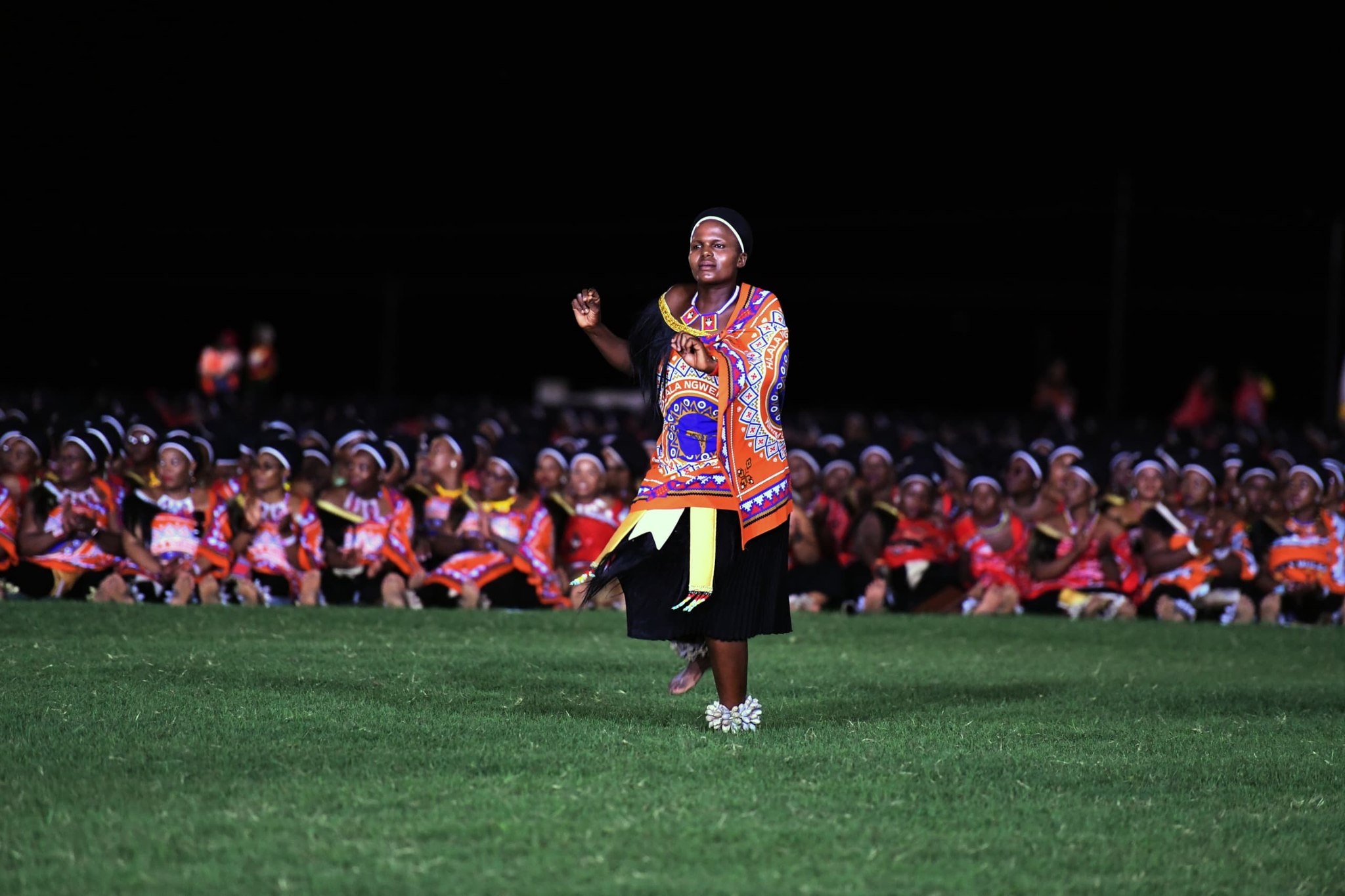
By dedicating a public holiday to coincide with this cultural moment, Their Majesties are effectively placing women at the centre of the national stage.
It is an affirmation that the kingdom’s heritage rests not only in royal palaces and ceremonial grounds, but also in the strength, resilience and commitment of its women.
READ MORE | RSTP refutes appointing new acting CEO
The proclamation also carries significance beyond symbolism.
By elevating Buganu through national recognition, it reinforces the festival’s cultural importance while simultaneously highlighting its growing economic potential.
Cultural celebrations have increasingly become important drivers of tourism around the world, offering visitors authentic experiences that connect them with the traditions of a place.
At its heart, however, the new holiday carries a deeper message: appreciation.
The recognition of women through this proclamation reflects the broader values of the monarchy — values that acknowledge the central role women play in sustaining families, preserving traditions and strengthening communities.
Across the kingdom, women remain the quiet custodians of cultural continuity.
They pass down knowledge through storytelling, uphold traditions through ceremony and nurture the social bonds that hold communities together.
In recognising these contributions, the monarchy sends a powerful message about the importance of honouring those who sustain the nation’s cultural foundations.
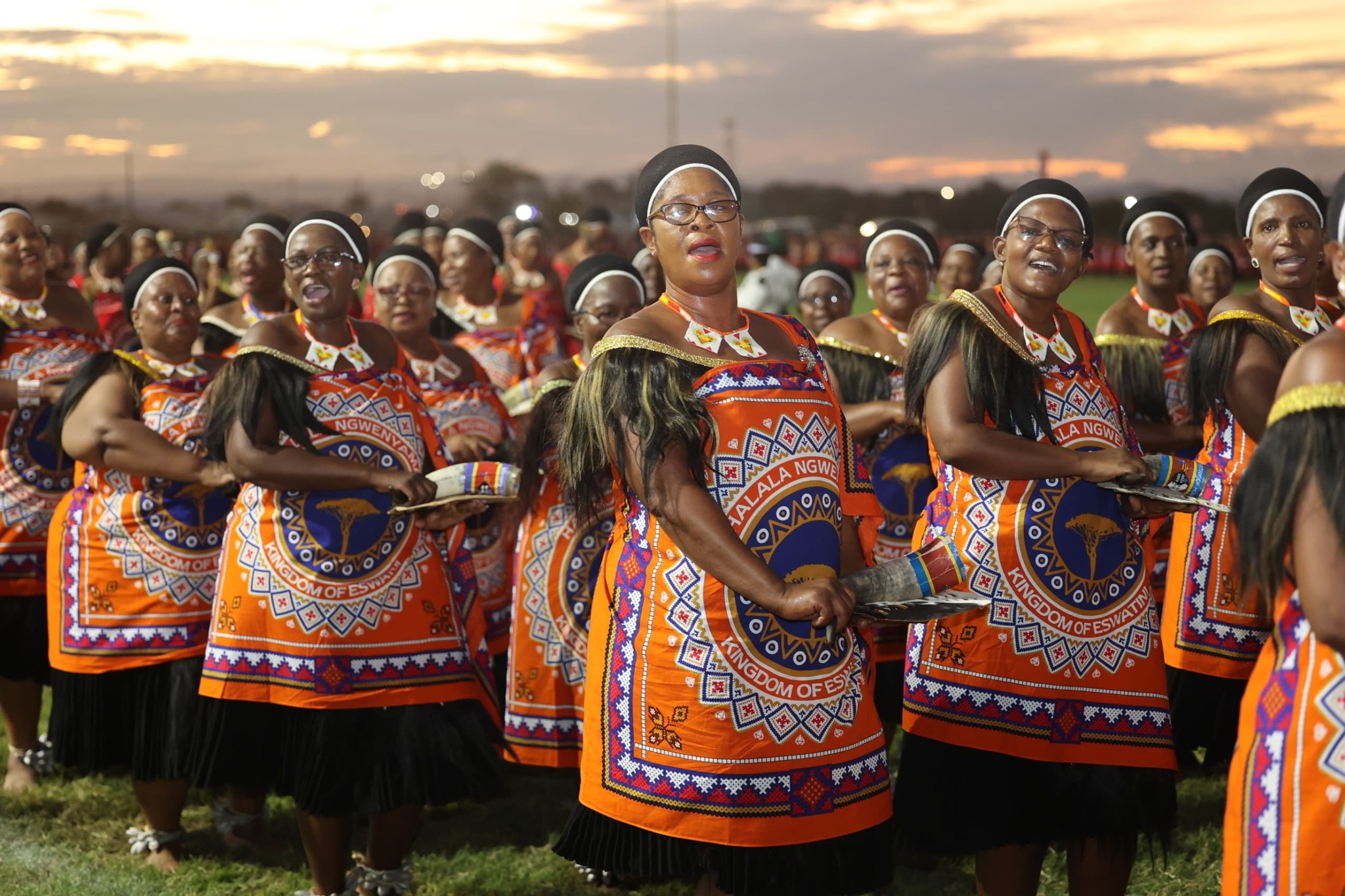
In a modern world where societies constantly balance tradition with change, Eswatini’s approach offers a compelling example of how heritage can evolve while remaining authentic.
By celebrating women through one of the nation’s most cherished festivals, Their Majesties reaffirm a timeless truth: the strength of a nation lies in the dignity and resilience of its people.
In the kingdom, women stand proudly at the centre of that strength.
As the second leg of the Buganu Festival approaches and preparations begin, the new holiday promises to add another layer of meaning to an already vibrant cultural moment.
But perhaps the most powerful aspect of the celebration will be the message behind it.
A message that honours women.
A message that honours tradition.
And a message that reminds the world that in the kingdom, culture is not simply preserved — it is lived, celebrated and shared.
When the music begins and the regiment assembles, the new holiday will stand as a tribute not only to heritage, but to the queens of the kingdom — the women whose strength continues to shape its future.
Bayethe.