


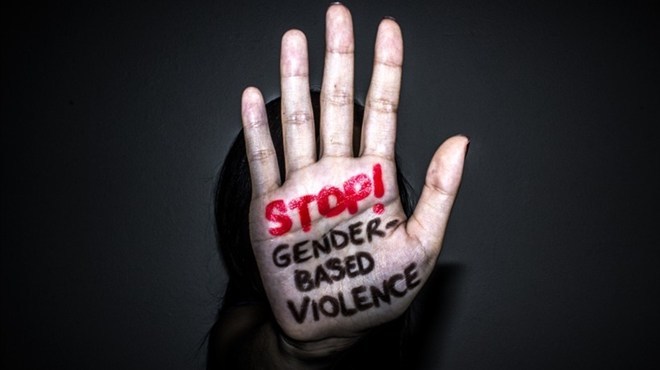
MBABANE — Children as young as two years old are being sexually violated by their mothers’ boyfriends, the Youth and Women Empowerment and Support (YES) project has revealed.
This was disclosed during the launch of a Gender-Based Violence (GBV) story booklet held at The George Hotel.
The booklet, titled The Thread of Courage and Hope, documents real-life human rights violations and various forms of gender-based violence experienced by citizens. The stories are drawn from cases that received support under the YES project, offering a sobering reflection of the lived realities faced by women, children and youth across the country.
The YES project is co-funded by the European Union (EU) and implemented by Cooperation for the Development of Emerging Countries (COSPE) in partnership with Luvatsi, Kwakhwa Indvodza, Gcama Mfati and the Swaziland Rural Women Assembly.
The country continues to grapple with alarmingly high levels of human rights violations, particularly GBV. Due to stigma, fear and limited access to reporting mechanisms, many cases remain unreported. In response, the YES project established referral systems in 16 communities, complementing existing national-level structures, to ensure survivors could access timely support.
COSPE Project Manager Ayanda Sigudla said the booklet presented only a selection of the many cases reported and addressed during the project’s lifespan. She emphasised that while the stories were based on real experiences, names, locations and identifying details were altered to protect survivors’ identities.
Sigudla added that each story concluded with information on how and where similar cases could be reported, serving as a practical guide to available institutions and support services for survivors of GBV, human rights violations and trauma.
She said about 500 copies of the booklet had been printed so far and would be distributed free of charge at GBV-related events. She added that the booklet would also be shared with schools to inspire hope among children experiencing violence and encourage them to report abuse and seek help.
ALSO READ: The UK could help attain E50bn export ambition-Minister
Swatini Action Group Against Abuse (SWAGAA) Case Management Coordinator Xolile Mazibuko said all cases identified through the YES project were referred to SWAGAA for further intervention.
Mazibuko revealed that from June to December 2025, females accounted for 79% of reported cases. Of these, the most affected age groups were children aged between zero and nine years, as well as women aged 29 years and above.
She explained that among female survivors, 29% were aged between zero and nine years, 10% were aged 10–14, 4% were aged 15–17, 6% were aged 18–24, while 29% were aged 29 years and above.
The project also recorded cases involving males, who accounted for 21% of reported incidents. Of these, 15% were boys aged between zero and nine years, 4% were aged 15–17, while 2% were aged 18–24.
Mazibuko said the data clearly showed that young children remained the most vulnerable group, underscoring the country’s deep-seated challenge in addressing violence against children.
She noted that among girls aged zero to nine, the most common cases involved physical and sexual abuse, with some children aged two subjected to abuse by their mothers’ partners, while in other instances the perpetrators were siblings.
Among boys, physical abuse was identified as the most prevalent form of violence. Mazibuko cited cases where female children suffered severe physical harm at the hands of a 13-year-old male child, who burned them with a hot iron rod all over the body, including the private parts, while tying them with a rope.
Survivors were referred for medical treatment and placed in safe care through the project’s intervention.
The YES project played a critical role in promoting an inclusive society where women and youth are empowered as agents of change at community, regional and national levels. It strengthened referral systems, provided psychosocial support and activated emergency funds for women and youth facing human rights violations or high-risk situations.
To ensure a strong grassroots response, the project trained First Aid Responders (FARs) in each community to identify, document and report cases of abuse. These responders worked closely with the project team and national partners, including SWAGAA, Nhlangano AIDS Training Information and Counselling Centre (NATICC), Zuzani Goshen and Phumelela, among others, to ensure coordinated and timely support for survivors.