

Statistics reveal that about 80% men- 572 out of a total of 721 people – have committed suicide in the past five years.
Only 149 were women of the 721 suicide cases reported.
In 2020, there were 142 suicides recorded, being 33 females and 109 males. In 2021, there were 154 suicides that were committed by 35 females and 119 males.
In 2022, a total of 151 suicides were recorded with 21 being female and 130 males. In the following year, there were 161 suicides being 32 females and 129 males. In 2024, 113 suicides were recorded with 28 being females and 85 males.
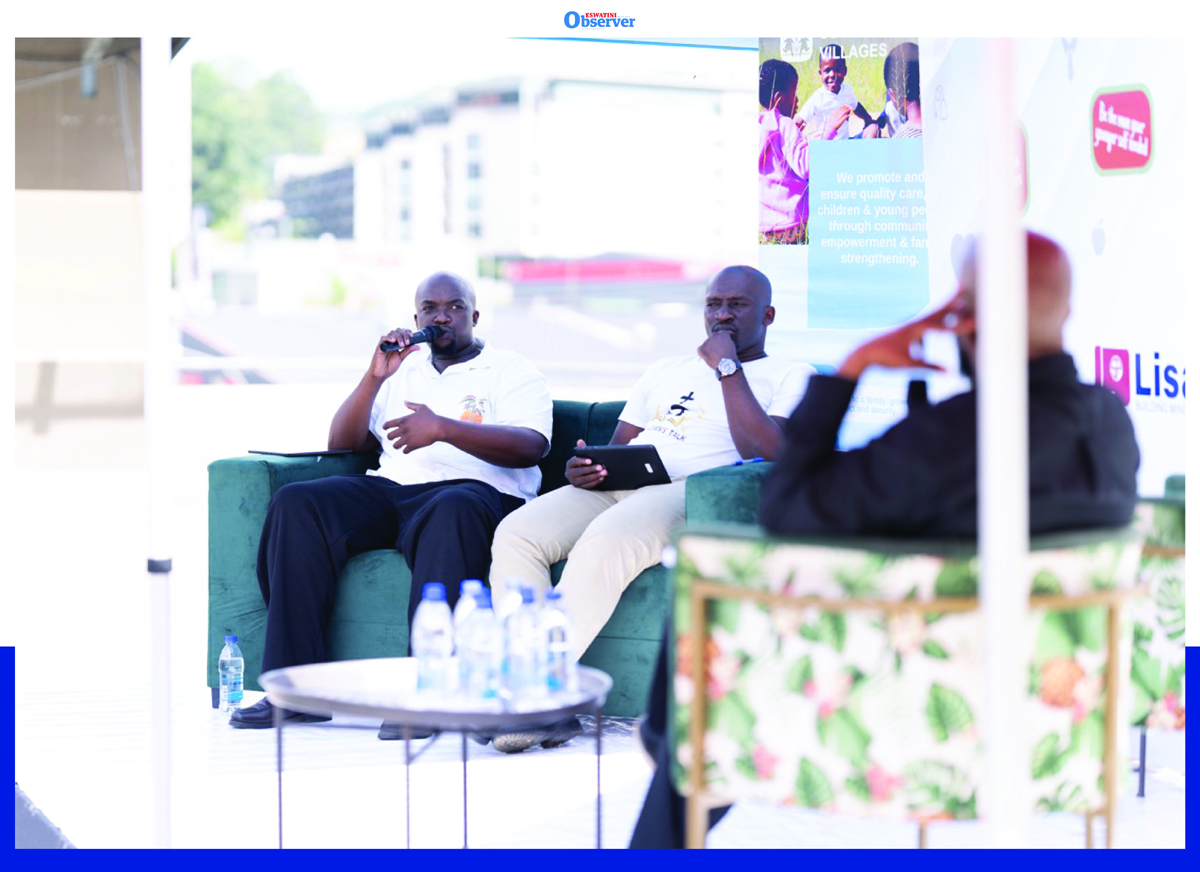
These numbers were flagged by The Gentlemen’s Talk’s Mfundo Dlamini in a Lisango conversation as more than 200 men were gathered at Swazi Plaza Properties parking lot in Mbabane yesterday.
Dlamini, who is a His Majesty’s Correctional Services (HMCS) officer, said the optics are not just bad for the country, but also paint a grim picture, partly because of the adage: indvodza ayikhali (a real man does not cry).
There were a lot of speeches from panellists, who counteracted this adage. The speakers included Dlamini, Thandukwazi Hadebe from Men’s Corner; Assistant Inspector Gcina Dlamini and Sergeant Kidwell Dube from REPS; lawyer Simo Simelane; as well as Mthokozisi Ntshingila and Mbongeni Matsebula from banking institutions.
From their discussions of mental health, financial management and gender-based violence (GBV) with a strong introspection on the Sexual Offences and Domestic Violence (SODV) Act, over 200 men were told that real men actually do cry.
It was flagged out that the fact that men do not cry could never be true.
“Can a man not cry? The crying we refer to here is pain,” Dlamini said.
“I made a quick compilation in 2020, 142 Emaswati committed suicide. Thirty-three of them were female while 109 of them were males.”
“Just to unpack the statistic you were referring to, to respond briefly to you, I think the more sessions similar to this one that we have, they would play a huge role to address this issue, especially for men,” Dlamini said.
Concurring with Dlamini, Thandukwazi Hadebe from Men’s Corner said evidence shows that men need help with their mental health demons but most times fail to get themselves to accessible mental health platforms where men discuss their issues frankly.
Hadebe said evidence from Men’s Corner shows that a problem shared is half solved.
“Men in trouble need to take the first step. One should take an intentional step about not being mentally fine. This is because it is dangerous for one to not fully articulate the problem they face. It could be overwhelming.
Therefore, it is important to be intentional about seeking change for your own betterment as well as that of the society.
“It should start with you,” he said.
Hadebe also said men that are mentally sound can build their societies.
He said Men’s Corner facilitates similar discussions and intervention but by so-doing can meet intentional men halfway.
He said Men’s Corner started operating at the peak of the COVID-19 pandemic, among a team of friends, but expanded to an organisation when it was legally registered early this year. Hadebe said they realised that they were vulnerable and extended the experiences to other men.
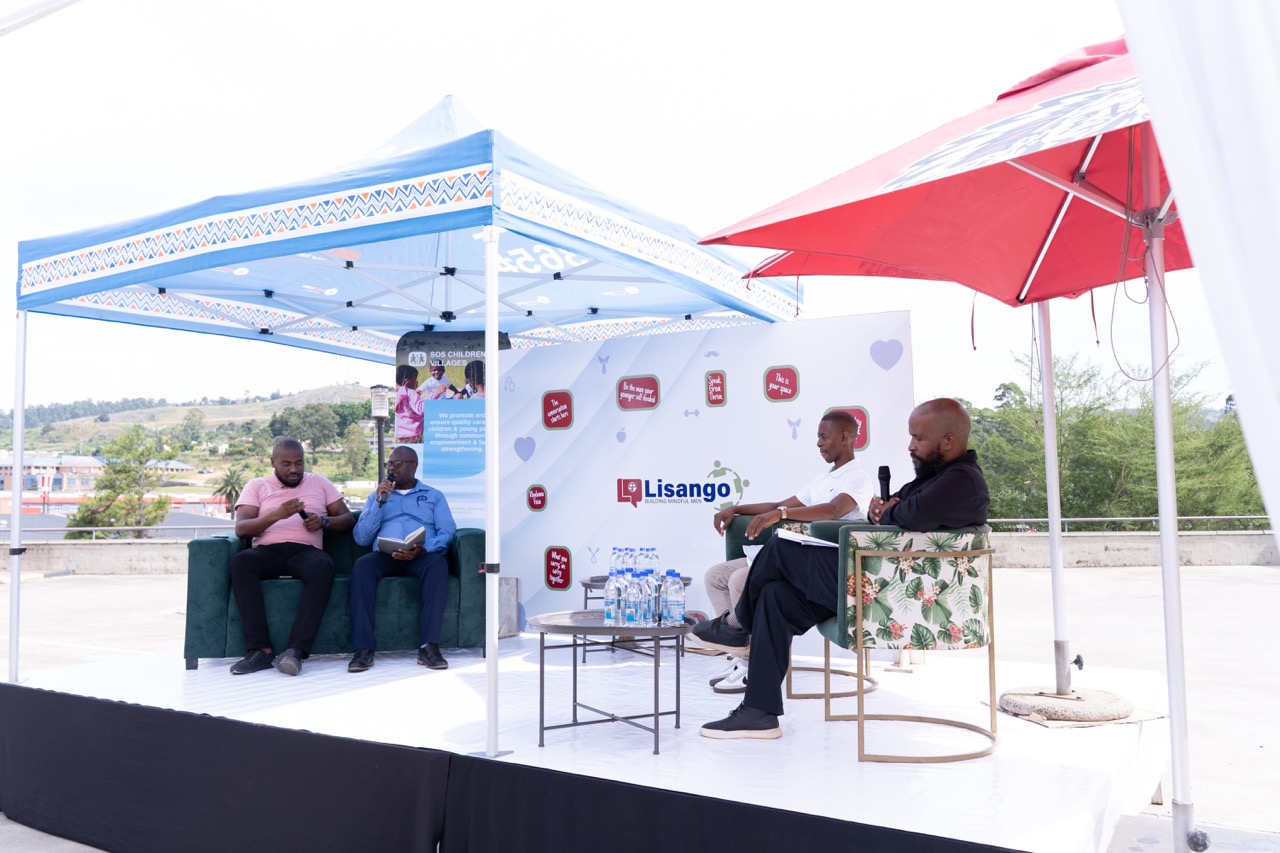
Lisango in collaboration with Swazi Plaza Properties held their inaugural gathering for men at the parking lot in Mbabane yesterday from 10am to 1pm.
The session also allowed reactions from the floor.
“In the past men would consult on others with different age groups. There is need for more gatherings of this nature,” one of the attendants said. The session was moderated by Philani Mpanza from Lisango.
Men overpopulate prisons
Eswatini prison population stands at 4 459 as of this month.
Out of the country’s 12 His Majesty’s Correctional Services (HMCS) facilities with only one for women, there is only 5% (232) women and 95% (4 227) men in jail.
Moreover, there are 65% (328/503) male delinquents in Vulamasango.
These numbers were shared publicly by mental health expert from The Gentlemen’s Talk Mfundo Dlamini, who doubles as an HMCS officer.
“Last week Tuesday, there was 4 459 prison population in the country. There are 232 females in prisons with 4 227 men in jails,” he said.
As things seem, he said there was less need to beef-up women’s correctional facilities from the 12.
He said the country’s correctional facilities were overrun with male offenders as they occupy the 11 remaining facilities.
As Dlamini, who was one of the panellists, was extracting the files, he emphasised that it should be a reflection among men to have an honest conversation that they have issues that they need to address.
He said of the 12 HMCS facilities, only one for females while the 11 was reserved for males. Dlamini said even at the Vulamasango facility where he is based, the numbers still show the male population as the most offenders.
He said there were 503 delinquents whereby 328 of them are boys.
“That should tell you something about what is happening outside,” Dlamini said.
“But I know that I would have love for us to discuss more about what actually could be going on with men. Already these numbers are showing that men don’t share their problems.
Although men can talk among themselves, they can often discuss at length the things that are not constructive, such as Manchester United for the better part of the day. This shows that talk among men is misallocated,” he added.