


Eswatini has lost nearly E1 billion in United States (US) government funding between 2024/25, marking one of the sharpest aid contractions the country has faced in recent years.
According to official data published by foreignassistance.gov, Eswatini’s total US foreign assistance allocation dropped from USD 76.6 million (about E1.38 billion) in 2024 to USD 20.9 million (about E378 million) in 2025 — a 72.7% decrease.
The difference, approximately E1 billion, represents the single largest year-to-year reduction in funding since the US began documenting its global aid spending online. The drop followed the suspension of United States Aid for International Development (USAID) funding at the beginning of 2025, a decision announced under the administration of President Donald Trump.
Related: Trump administration asks US Supreme Court to halt foreign aid payments
The order, part of what was termed ‘foreign aid realignment’, froze most US government development programmes worldwide while a review was conducted. For Eswatini, this meant that nearly three-quarters of its regular assistance disappeared in a single budget cycle.
The numbers tell a stark story. In 2024, the kingdom benefited from more than E1.38 billion in American support. About a year later, that figure had fallen to about E378 million, slashing funds available for public health programmes, non-governmental partnerships, and education support.

For Eswatini, a country that has relied heavily on donor funding to sustain its health sector, particularly in the battle against HIV/AIDS, the implications are significant.
For over two decades, the US government, largely through USAID and the President’s Emergency Plan for AIDS Relief (PEPFAR), has been the country’s single largest external partner in the fight against HIV/AIDS. Programmes funded by these mechanisms have provided antiretroviral drugs, training for healthcare workers, maternal-child health services, and logistical support for clinics across all four regions. The impact was evident in the years leading up to 2025.
According to foreignassistance.gov, between 2022 and 2024, the majority of US funding went toward HIV/AIDS, health systems, and related social support programmes. During this period, Eswatini achieved one of the highest HIV viral-suppression rates in sub-Saharan Africa, a success often credited to sustained US investment and technical assistance.
READ MORE: MP Raises Alarm Over Expired ARVs Being Distributed
But that progress is now at risk. The 2025 reduction in US aid has already disrupted some long-standing partnerships. Health workers who relied on US-funded programmes for salary support, community outreach, and supply-chain stability face uncertainty. Clinics supported by US partners report fewer resources to conduct testing and outreach, while local NGOs have scaled down staff, with some shutting down operations months ago.
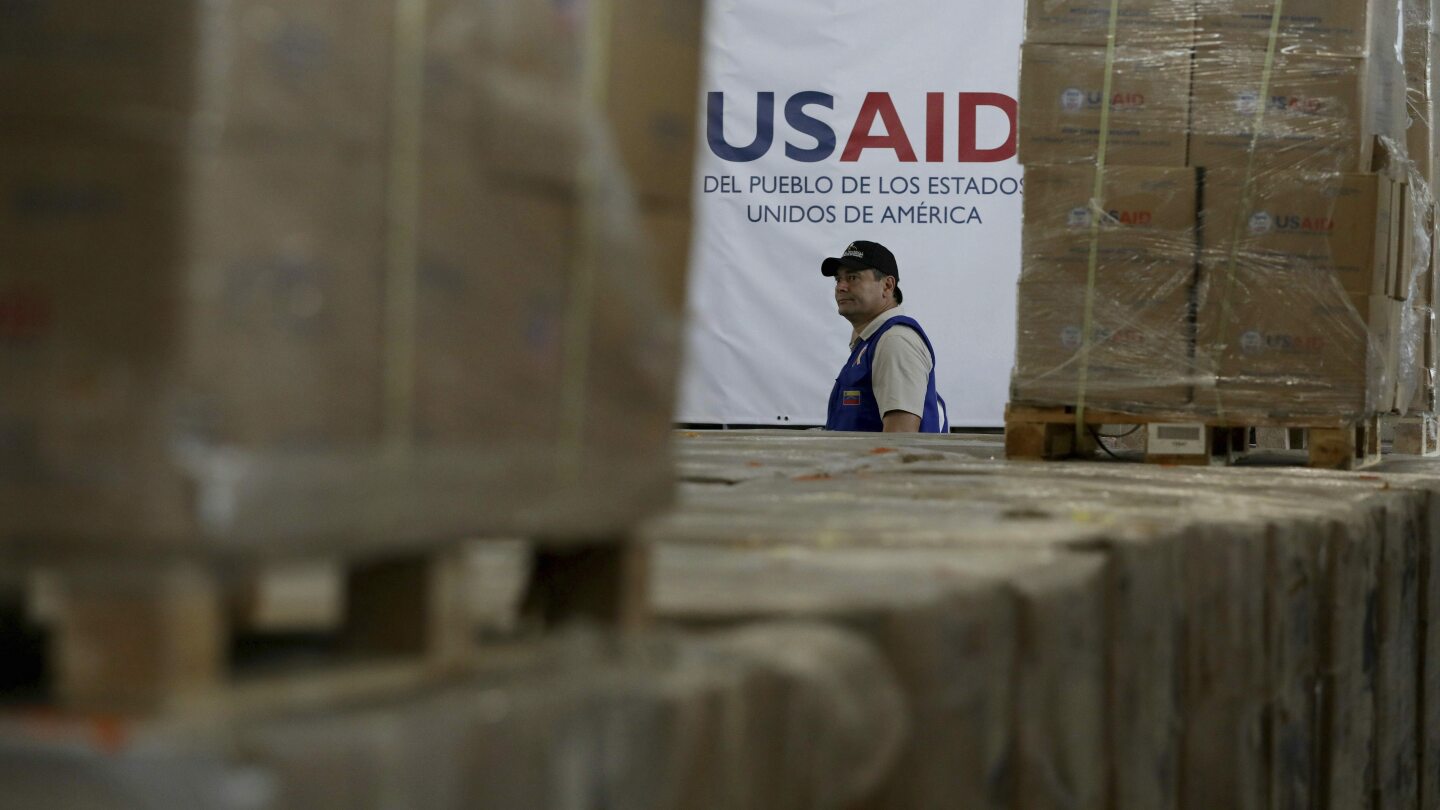
The most prominent threat has been medication supply continuity. Antiretroviral drug procurement and distribution, previously underwritten by PEPFAR funds, are among the programmes likely to experience continued shortfalls.
Earlier this year, Ministry of Health Principal Secretary (PS) Khanya Mabuza assured that the country was planning to take over funded programmes by 2030. He outlined an operational plan agreement with the US detailing how Eswatini would sustain services if partner support ended.
“Eswatini is among the African states planning to procure its own HIV treatment by 2030. Currently, partners are only providing line two and other drugs, while the government pays for line one, which is in high demand,” Mabuza said.
The kingdom’s sustainability roadmap, presented by the Prime Minister in December last year at Mahlangatsha, provides details of how Eswatini will manage programs should external funding end.
“The roadmap states that in two years, the country will contribute 60%, with partners covering 40%. By 2030, the government would sustain HIV programmes on its own,” he said.
The main concern remains emergencies, given that ARVs are a lifetime intervention, and patients should not experience interruptions.
Asked if the government was ready to sustain programmes like rural home visits, health services, and gender-based violence interventions, the PS said plans were being developed to incorporate them into government systems.
“The country has integration plans for different programmes, as some will be fitted into the various ministries,” he added.
Be that as it may, the sharp decline in funds has already affected service delivery. Local NGOs report fewer community health visits, and some outreach activities have been halted entirely.
It is believed the funding gap may slow progress toward the country’s 95-95-95 HIV treatment targets, ensuring that 95% of people living with HIV know their status, 95% of those diagnosed receive sustained antiretroviral therapy, and 95% of those on treatment achieve viral suppression.
In the 2025/26 first quarter report for the Ministry of Health, the impact of the US Government’s Stop Work Order, issued on January 25, 2025, was acknowledged. It has already significantly impacted HIV services, leading to a downturn in HIV testing from 27,334 individuals in April to 18,801 by June.
The order suspended most HIV prevention services, including PrEP through mobile units, and caused significant job losses within the healthcare workforce. The Ministry of Health was allocated an annual budget of E2.7 billion for the current financial year.