


The appointment of a lawyer linked to Funduzi Forensic Services to the newly established Health Advisory Standing Committee (HASC) has triggered concern within some players in the health sector.
The inclusion of Kwanele Magagula, appointed this week to the 13-member committee as its legal expert, has drawn scrutiny because of his professional association with the audit firm whose forensic reports into the national drugs shortage crisis remains highly contested and, in one case, currently before the courts.
The concern is that a committee tasked with advising government on health policy, accountability and reform now includes a member whose professional obligations involve defending the credibility, methodology and findings of a firm whose work is expected to inform the committee’s understanding of the crisis.
|Concerns have emerged over the appointment of a lawyer linked toFunduzi Forensic Servicesto the Health Advisory Standing Committee, amid questions of potential conflict of interest.
They are therefore, on that account, raising questions about a possible conflict of interest.
“Typically, it is expected that the same reports Funduzi did are expected to inform the committee’s understanding of the crisis and shape recommendations on reforms within the ministry of health right, so how is he going to maintain impartiality,” said one of the officials within the ministry of health, who requested to comment anonymously.
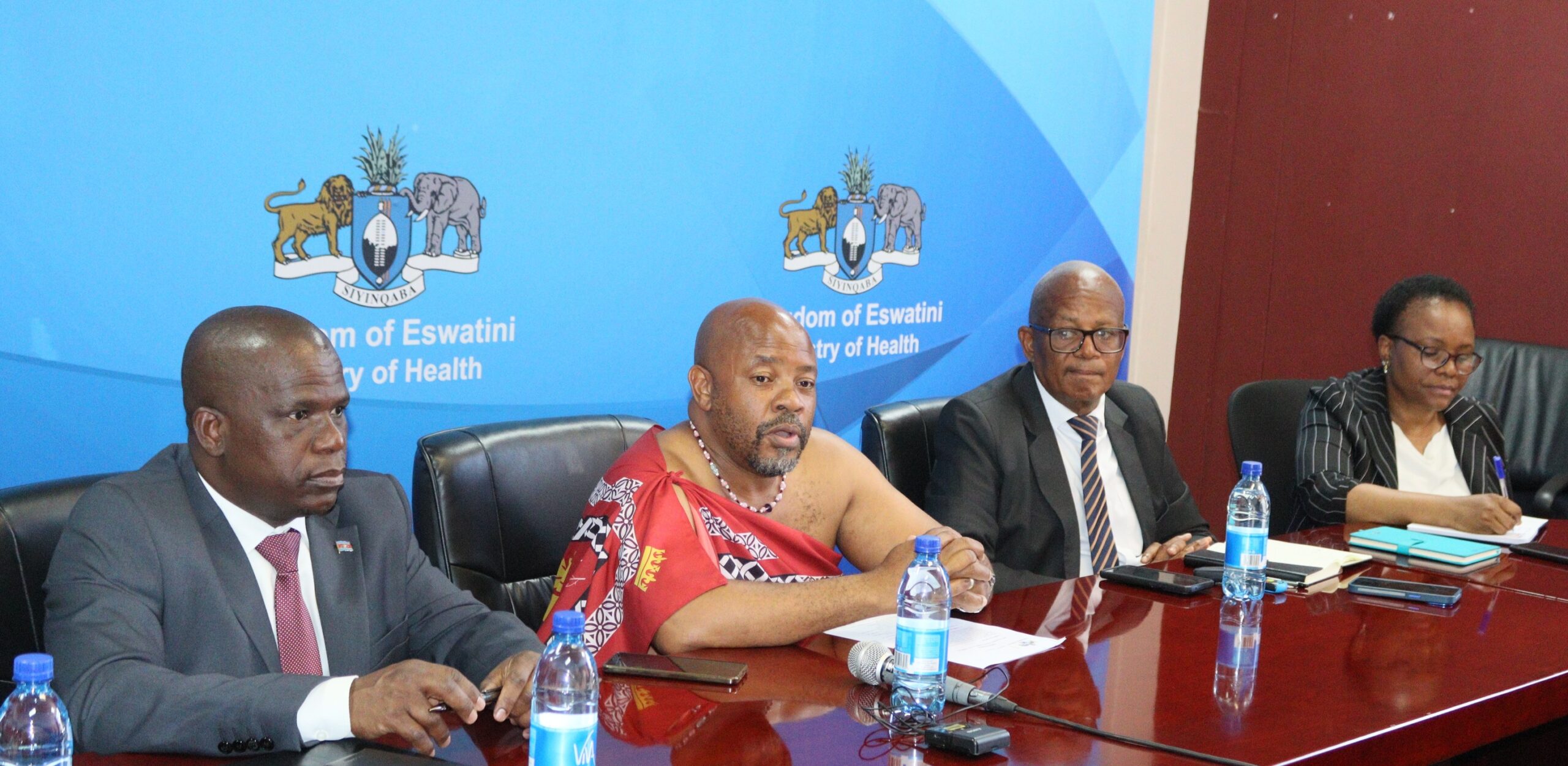
The Health Advisory Standing Committee was unveiled by Minister of Health Mduduzi Matsebula as a key instrument to drive reforms across the sector.
Established under Section 6 of the Health Act of 2023, the body is mandated to advise on policy reviews, oversee implementation, recommend amendments to health legislation and guide the attainment of national and international health targets.
Crucially, the committee is also expected to also play a role in supporting the implementation of the Eswatini Medical Supplies Agency (EMSA) Act of 2025, a legislation tabled by the ministry as its solution to address weaknesses in medicines procurement, storage and distribution, the very issues at the heart of the now contentious Funduzi investigation.
Funduzi Forensic Services was first appointed in late 2022 to investigate procurement and distribution failures within the ministry of health after widespread public outrage over empty pharmacy shelves. Since then, the firm’s work was mired in controversy.
Its initial report was criticised for failing to give implicated suppliers a right of reply, a core principle of both forensic auditing and administrative justice.
RELATED | INVESTIGATION REVEALS: Funduzi directorship scandal
That omission was later confirmed by an independent forensic review conducted by Randburg Chartered Accountants, which concluded that Funduzi’s approach fell short of international professional standards, including those set out in the SAICA Code of Conduct and the Association of Certified Fraud Examiners’ ethical framework.
Prime Minister Russell Dlamini subsequently told Parliament that the report was “poor in standard” and difficult to implement and therefore, was never formally accepted by government.
Despite this, Funduzi was paid more than E4 million across multiple contract variations and additional legal costs, and was later allowed to table a second report.
That latest report, presented to Parliament by Minister of Finance Neal Rijkenberg about a fortnight ago, again failed to hear from pharmaceutical suppliers implicated in its findings, despite the firm having previously summoned them to interviews that were abruptly cancelled and never rescheduled.
The first report is being contested in court, with Funduzi’s methodology, standing and conclusions forming part of the dispute.
It is against this backdrop that Magagula’s appointment has raised alarm.
While there is no allegation that Magagula acted unlawfully, the concerned players say the issue is not criminality, but conflict of interest, specifically the risk of perceived or actual bias.
“In administrative law, a conflict of interest arises not only where a decision-maker stands to gain personally, but also where there is a reasonable apprehension that their judgment may be influenced by other professional loyalties. The test, established in both common law and constitutional jurisprudence, is whether a reasonable and informed person would apprehend bias,” said a legal expert.
“In this case, the concern is that a committee member charged with advising on health reforms may be asked to evaluate, rely on or contextualise Funduzi reports while simultaneously being professionally involved in defending that firm in court or in the public domain is actually valid,” they added.
According to the legal expert, even if Magagula were to recuse himself from specific discussions, the problem persists as committee deliberations are collective, informal and influential, shaping priorities long before formal recommendations are drafted.
“The risk is subtle but real. You cannot firewall policy advice from legal defence when the same facts, documents and narratives are in play,” they stated, pointing to international best practice, where members of oversight or advisory bodies are routinely required to declare interests and in some cases, step aside entirely where those interests intersect with the subject matter under review.
The Health Act envisages the committee as an independent advisory body capable of holding the ministry to account and speaking frankly about systemic failures.
Minister Matsebula himself highlighted this point when announcing the committee’s appointment, telling members that “the public will no longer blame the minister, but the committee” and urging them to report truthfully rather than seek to impress political principals.
Asked on the matter, Ministry of Health Communications Officer Nsindiso Tsabedze said the ministry had not received any formal complaints, but maintained that the minister had duly considered potential conflicts of interest when appointing members to the board and had satisfied himself that no such conflict existed in the case of Magagula.