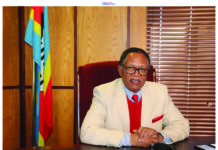



Despite the confirmation of 10 new COVID-19 cases over the past week, the Ministry of Health says the public should not panic but stay vigilant this the festive season enters.
Ministry of Health Communications Officer Nsindiso Tsabedze said the Public Health Emergency Operation Centre (PHEOC) had noted with concern a surge in COVID-19 cases within the Hhohho region. He explained that the cases were identified through routine surveillance of influenza-like illness (ILI) and severe acute respiratory infections (SARI) conducted at sentinel sites across the country.
He said all 10 patients presented with mild symptoms and were recovering well under home-based care. “No case required hospital admission; they were all treated and discharged,” he said in a press statement.
He cautioned, however, that vulnerable groups remained at higher risk of developing severe COVID-19. These included pregnant women, people living with HIV, individuals with chronic conditions such as diabetes, hypertension, kidney or lung disease, tuberculosis, obesity, older persons aged 65 and above and children under two years. He urged these groups to seek immediate medical attention if they developed symptoms.
Tsabedze further warned that COVID-19 remained present in the country, advising travellers to take precautions, particularly when visiting other SADC states. He said regional and global surveillance continued to show intermittent waves of infections driven by circulating variants, with neighbouring countries also reporting slight increases in COVID-19 cases alongside other respiratory pathogens.
The ministry continued to monitor all ILI and SARI cases through weekly surveillance at four sentinel sites, located in each region: Raleigh Fitkin Memorial Hospital, Mbabane Government Hospital, Hlatikulu Government Hospital and Good Shepherd Hospital. These facilities routinely test for COVID-19 and other respiratory viruses.
On the rising cases, Tsabedze assured the public that the ministry would continue to monitor the situation closely and provide updates as new information becomes available.
He also reminded the public to adhere to preventive measures so as to minimise the spread of the virus. These included avoiding close contact with anyone who is sick, washing hands frequently, using sanitiser regularly, avoiding touching the eyes, nose and mouth, covering coughs and sneezes, and disposing of tissues safely.
Those who develop flu-like symptoms should seek medical attention immediately, while individuals who test positive are advised to isolate at home and follow the ministry’s guidelines. Proper ventilation in homes, workplaces, churches and public spaces is encouraged and wearing protective masks in crowded public areas remains strongly recommended.
Tsabedze further urged the nation to remain vigilant and responsive to any symptoms of influenza-like illness, including COVID-19.
Eswatini, like many countries worldwide, has experienced several waves of COVID-19 since the first case was confirmed in March 2020. The pandemic has significantly impacted public health, the economy and education, with strict measures such as lockdowns, mask mandates and travel restrictions implemented at various stages to curb transmission. Over time, the country has strengthened its surveillance, testing and vaccination programmes, contributing to improved management of infections, although new cases continue to emerge intermittently.