


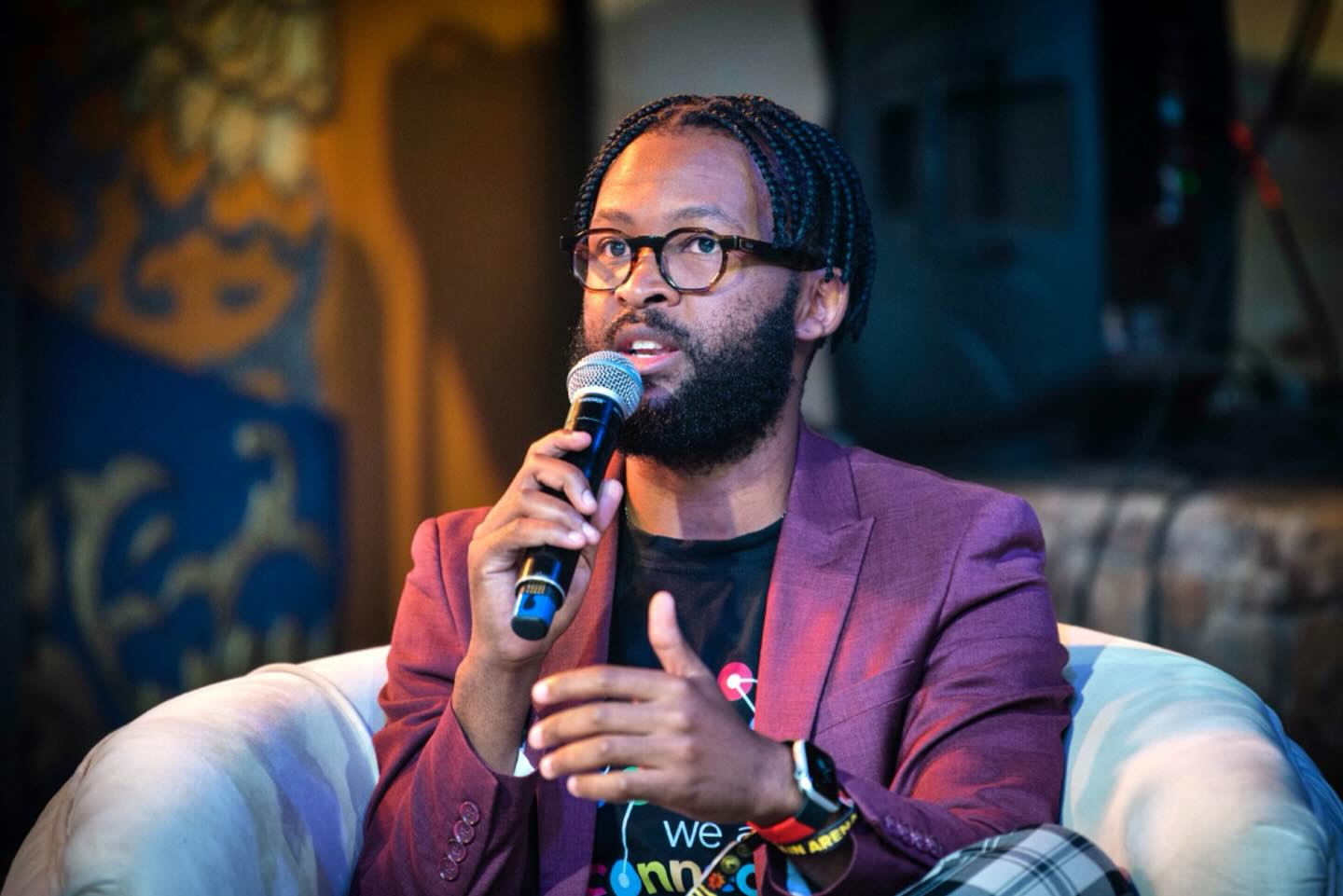
The Eswatini Sexual and Gender Minorities (ESGM) organisation is challenging Minister of Commerce, Industry and Trade Manqoba Khumalo’s refusal to register the group.
ESGM accuses the minister of mischaracterising its purpose, overreaching his mandate, and misapplying customary law.
In a supplementary affidavit filed at the High Court, ESGM’s representative Melusi Simelane argued that the minister’s reliance on customary law to justify the refusal was a dangerous legal proposition that attempted to elevate custom above the national Constitution, the supreme law of Eswatini.
This affidavit supplements ESGM’s original judicial review application, which sought to challenge the minister’s 2022 decision to block the group’s registration under the Companies Act.
Simelane noted that the initial court papers only addressed the minister’s first letter, but a subsequent communication expanded on his reasons. Chief among these was the minister’s claim that the group’s name was “misleading, annoying, offensive, blasphemous, or indecent,” and that its objectives amounted to “promoting homosexuality.”
“Should leave to supplement the founding affidavit be denied, the applicants will be severely prejudiced,” Simelane said, adding that ESGM might lose the opportunity to address the minister’s subsequent claims.
Central to ESGM’s argument is that the minister misrepresented the organisation’s mission.
“The assertion that ESGM exists to ‘promote homosexuality’ is a fundamental mischaracterisation of the organisation’s true purpose,” Simelane stated.
He explained that ESGM operates on three main pillars:
-
Support – providing safe spaces, counselling, and peer networks for LGBTIQ+ individuals facing discrimination and violence.
-
Advocacy – engaging policymakers, legal professionals, and civil society to push for equal treatment and constitutional rights to dignity, equality, and freedom from violence.
-
Education – combating stereotypes and misinformation through awareness campaigns to foster empathy and understanding, not to convert anyone.
“To suggest that an organisation dedicated to supporting a marginalised group is ‘promoting’ a lifestyle fundamentally misrepresents its purpose,” Simelane argued.
Minister is no customary law expert – ESGM
The affidavit also challenges the minister’s invocation of customary law to justify the refusal.
“Customary law interpretation lies with traditional authorities, community elders, specialised courts, or legal scholars—not with Cabinet ministers,” Simelane stated.
He emphasised that customary law cannot override the Constitution.
“The attempt to invoke customary law to suppress rights to dignity, equality, association, and expression implies that custom trumps the Constitution, which is erroneous and dangerous.”
Simelane added that the Constitution guarantees rights that cannot be abridged by vague appeals to tradition, and holding otherwise would erode constitutional supremacy.
The matter continues in court, with respondents expected to file opposing papers if they contest the application. ESGM is represented by human rights lawyer Sibusiso Nhlabatsi of Mavuso/Motsa Attorneys.