

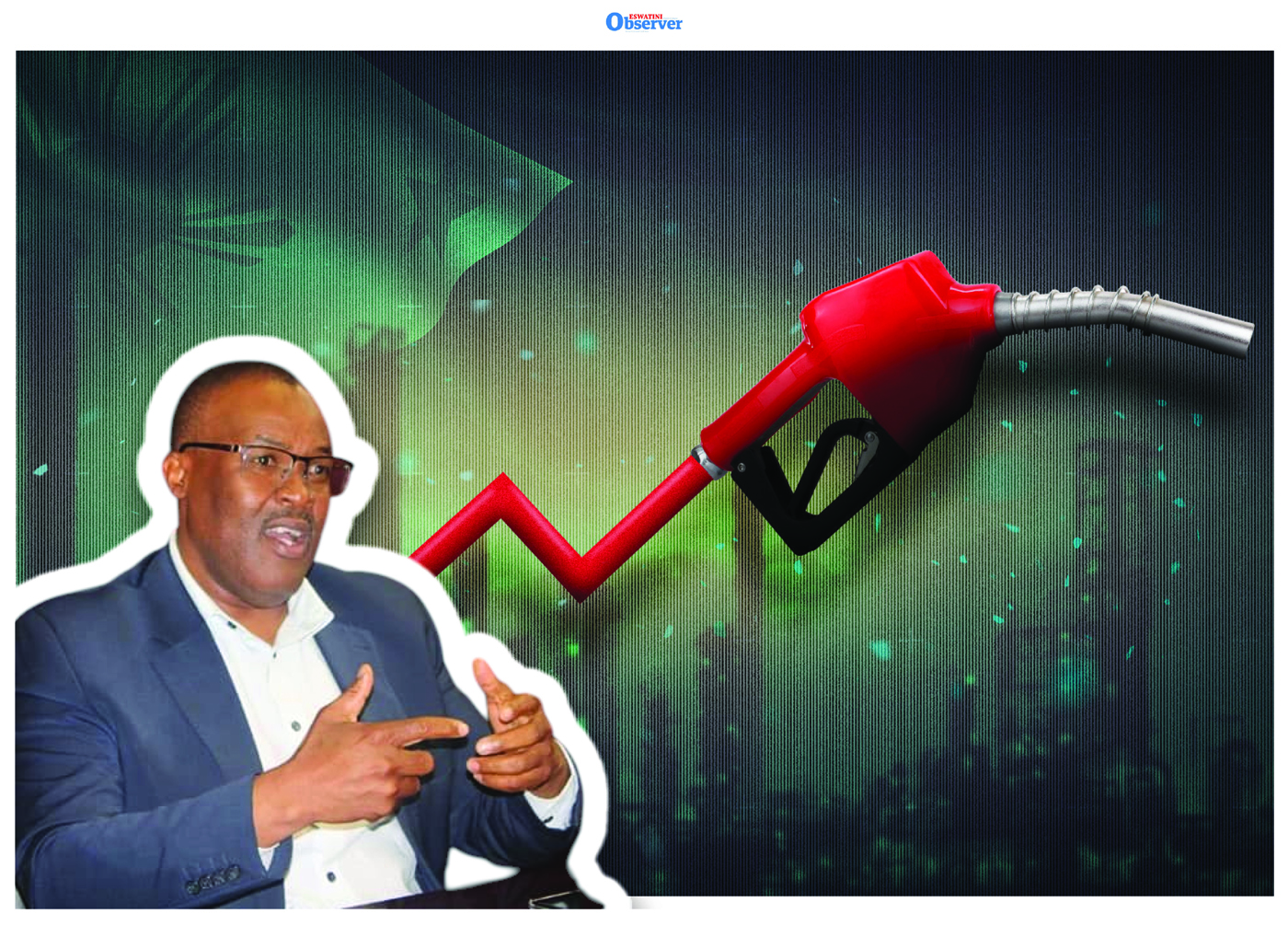
As the price of fuel continues to soar, government has resorted to cutting fuel allocation by 40% across all ministries.
In a memorandum dated May 4, the Ministry of Public Works and Transport urged all ministries to manage and control fuel usage.
Government departments were advised to prioritise critical projects and essential services in order to manage the fuel shortage challenge.
The memo cautioned that all ministries would receive a 40% reduction of their monthly fuel allocations to ensure fair distribution of the limited resources available.
“Ministries are implored to implement measures to manage and control the usage of fuel in their different departments by prioritising critical projects,” reads the memo.
Ministry of Public Works and Transport Principal Secretary Thulani Mkhaliphi confirmed that a 40% fuel cut had been implemented across all ministries, adding that the move was necessitated by the rising cost of fuel for government operations.
“The ministries will not get 40% of the fuel they previously obtained using the same budget allocations. If there is a ministry requiring additional fuel supplies, it would have to approach the Ministry of Finance to request extra funding,” he said.
Meanwhile, the Ministry of Agriculture revealed before the Public Accounts Committee (PAC) on Monday that its fuel supply had been cut by more than 54%.
As a result of the fuel cut, the ministry disclosed that construction of dams has already been halted.
The fuel crisis is not confined to the country, as nations across the globe are grappling with similar challenges. The situation has been aggravated by the Middle East conflict, marked by heightened US-Iran tensions and the involvement of regional allies.
ALSO READ | Soko, Ngcobo emerge as preferred EswatiniMed Board Members
This conflict has triggered severe global disruptions, including skyrocketing oil prices, shipping delays through the Strait of Hormuz and volatility in financial markets.
Locally, fuel prices have already been adjusted twice since the conflict began. Transport operators are charging maximum fares and are now in discussions about a possible bus fare hike.
According to Mkhaliphi, the number of litres ministries are entitled to has decreased, although allocations remain aligned with the funds available in their budgets.
He said ministries were justified in linking the reduced fuel supply to the conflict in the Middle East, noting that fuel price increases were largely influenced by global tensions in the region.
He added that all ministries had been affected and that his ministry had already informed them after fuel prices increased by more than 60%.
The PS explained that government’s purchasing power had been eroded by about the same percentage, meaning that if a ministry previously used E10 to purchase a litre of fuel, that same amount could now only secure about 60% of the fuel previously obtained.
“We have written to the ministries and informed them that we will reduce their fuel supply to 60%, which means they will not receive 40% of what they were previously getting,” he said.
Mkhaliphi said the Ministry of Finance allocates a specific amount of money to each ministry for fuel purchases, while the Ministry of Public Works and Transport facilitates the procurement process.
He explained that the amount allocated in the budget was initially enough to purchase a certain number of litres. However, as fuel prices fluctuated during the course of the year, the allocations remained unchanged despite increases in fuel prices.
He stressed that his ministry had not independently reduced fuel supplies, but was only purchasing fuel equivalent to the amount allocated in each ministry’s budget.
“We are responsible for facilitating fuel purchases for ministries. The departments are allocated a certain amount to buy fuel, but during the course of the year fuel prices fluctuate. What usually happens is that prices increase, yet the allocated funds remain the same,” he said.
He said ministries continued using the same budget allocations, hence receiving fewer litres of fuel.
Mkhaliphi added that ministries were encouraged to request additional allocations from the Ministry of Finance so that they could purchase the required fuel quantities.
“Ministries have no extra money; they are using their budgets, but we assist them with the procurement process,” he said.
NOW READ | ‘We feel for Emaswati facing fuel hikes, but…’
He acknowledged that the reduced fuel supply affected service delivery, particularly in ministries such as agriculture and health, which provide extension and essential services in communities.
He said the Ministry of Commerce also required fuel to conduct inspections.
“This means they will be unable to visit communities regularly, while the Ministry of Health provides essential services,” he said.
Mkhaliphi added that ministries would now be forced to reduce official trips, something he admitted would negatively affect service delivery.
He described the matter as serious, noting that fuel played a critical role in supporting government operations.
He, however, said the situation also presented an opportunity to identify possible overspending and wastage within some ministries. Mkhaliphi said some ministries, after further analysis, might discover that they could continue operating efficiently with reduced fuel usage.
“We will find ways of ensuring that we continue implementing services effectively,” he said.