


Domestic electricity units purchased for E100 will from April 1 only be 34.
Currently, consumers receive 40 units for the same amount, meaning households will soon get fewer units for the same money.
This change follows the Eswatini Energy Regulatory Authority (ESERA) approving an average electricity tariff increase of 13.61% for the Eswatini Electricity Company (EEC).
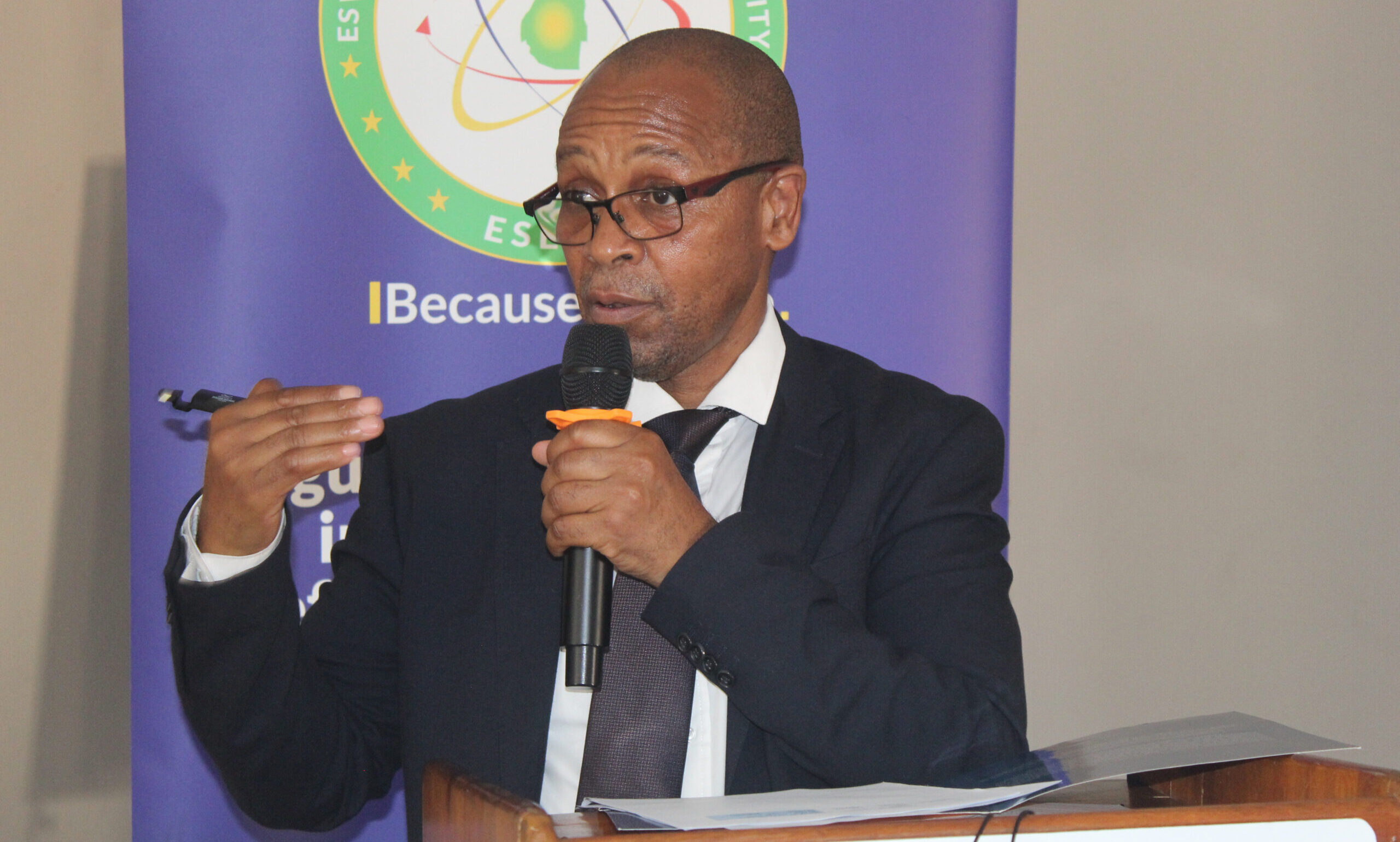
Announcing the hike yesterday, ESERA Chief Executive Officer Skhumbuzo Tsabedze said EEC had been allowed additional revenue of over E211.79 million for the financial year 2026/27.
“This translates to an average of 13.61% electricity tariff increase which has been approved by ESERA, effective April 1. The tariff methodology allowed EEC to file an application, or any other licensee for that matter, for unique developments,” Tsabedze said during a press conference at the Mountain View Hotel.
ALSO READ: ‘BakaNgwane’ second production airs February 22
He explained that while the average increase is 13.61%, domestic tariffs will rise by 17.23%. Corporate time-of-use and non-time-of-use customers will also face a 17% increase in energy charges. Demand charges will go up by 17%, while facility and access charges will rise in line with the approved inflation rate of 4.68%.
Tsabedze noted that lifeline tariffs, which benefit low-income households earning E3 500 or less per month, will be cushioned with a smaller increase of 6%. For these consumers, E100 will now buy 64 units compared to the current 68.
“We did this because we understood the socio-economic conditions of vulnerable people, who also presented a strong case during the public consultations,” he said.
The CEO added that the tariff adjustment application was reviewed under the Energy Regulatory Act of 2007, the Electricity Act of 2003, the Tariff Methodology of 2011, and other regulatory tools. He stressed that the approval process considered both legislation and the financial realities facing EEC.
Initially, EEC had requested a revenue increase of over E437 million, which would have brought its total revenue requirement for 2026/27 to E3.687 billion. However, ESERA approved a lower figure, allowing EEC to recover E3.638 billion through facility, energy, demand, and access charges.
ALSO READ: Major shake-up of headteachers in Mbabane
Tsabedze explained that several Power Purchase Agreements (PPAs) expired during the current financial year (2025/26), requiring renegotiation. These renegotiated agreements significantly increased import tariffs, raising EEC’s cost of supply. In addition, reconciliation for 2024/25 revealed an under-recovery, further worsening EEC’s financial position.
“As a result, EEC applied for an increase in revenue of over E437 million, translating to an additional 13.67% on top of the 7% average tariff increase for 2026/27. Instead, we approved 13.61%, comprising the previously announced 7% and an additional 6.61%. Having duly considered the application in line with legislation and regulatory tools, the authority made the approval. It was really hard to be here to announce this decision, but it was necessary,” Tsabedze said.