


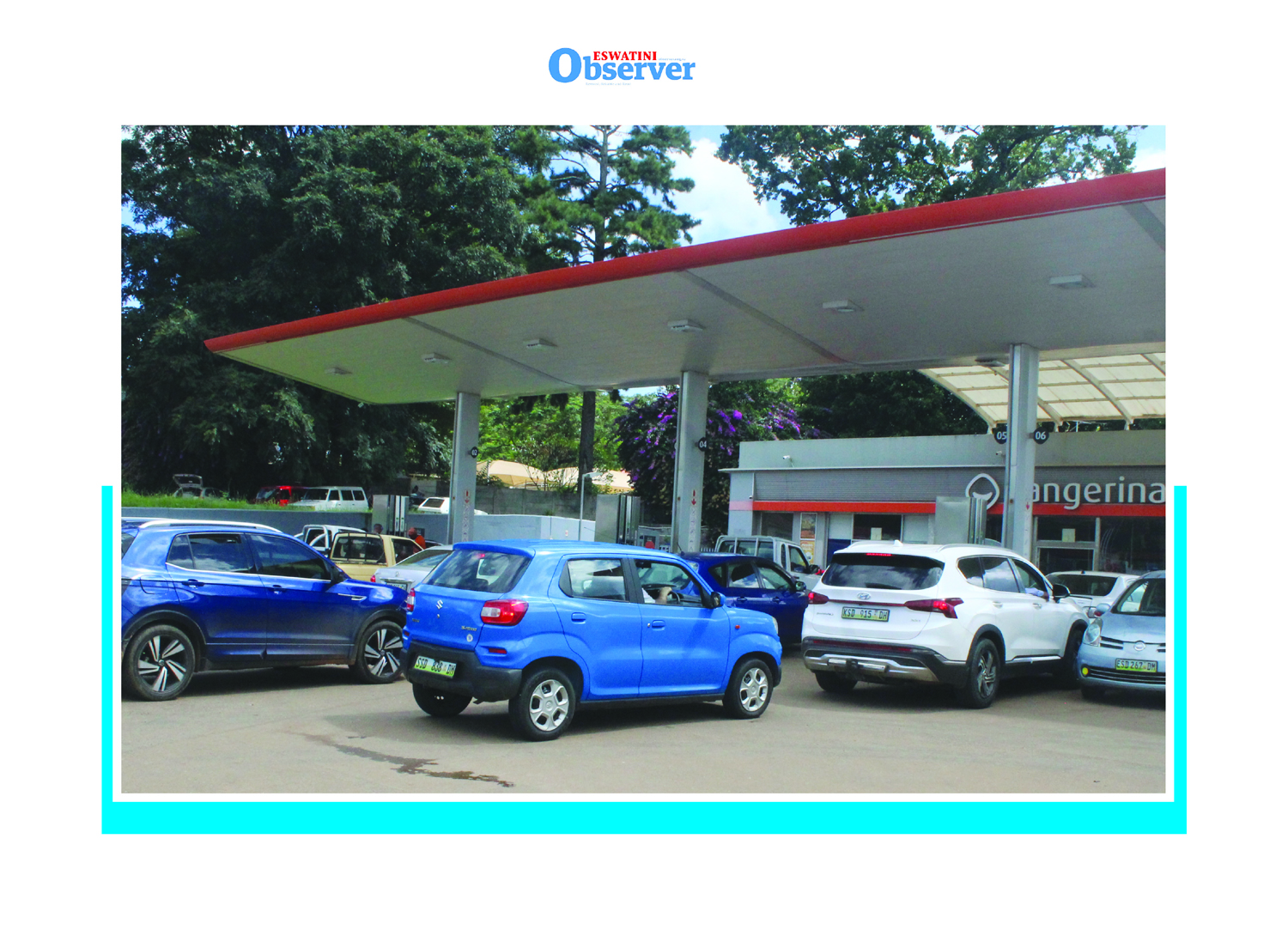
MICRO, small and medium enterprises (MSMEs) in the country are coming under mounting pressure as rising fuel and electricity costs disrupt operations, strain cashflow and threaten business continuity across key sectors.
Insights from the 2023 Finscope e-Blended MSME Survey indicate that the country is home to between 68 000 and 70 000 MSMEs, employing more than 90 000 people, over 21% of the national workforce, and contributing roughly half of the country’s gross domestic product.
The sector is widely regarded as the backbone of the economy, making it particularly vulnerable to cost shocks.
Entrepreneurs in agriculture say the recent fuel shortages and price increases have had an immediate and disruptive impact on day-to-day operations.
A vegetable and broiler producer explained that sustaining her business had become increasingly difficult, as she was forced to travel between Manzini and her farm in search of fuel. She said during the past week, she had moved from pillar to post trying to secure supplies, a process that consumed both time and the very fuel she was attempting to source.
The entrepreneur stated that the situation resulted in additional costs due to long distances travelled, while also affecting her ability to meet delivery schedules. She said some of her products had spoiled due to delays, and failure to deliver on time constituted a breach of contractual obligations with her clients.
She further pointed out that rising electricity costs had compounded the challenge. At the beginning of the year, she said, she had set pricing based on a fixed budget. However, the unexpected increase in tariffs meant she could not immediately adjust prices, leaving her to absorb the additional costs and disrupting her cashflow.
In the informal trading sector, Tholakele Dlamini, a fruit and vegetable vendor, said rising transport and fuel costs had directly affected both supply and pricing.
Dlamini explained that sourcing fresh produce had become more expensive, as transport costs from suppliers continued to increase.
ALSO READ | Taxpayers power country’s revenue surge by E4.9bn to E15.7bn in 13 years
This, she said, left her with little room to maintain affordable prices for customers without eroding her already limited margins. The vendor noted that demand had also softened as customers adjusted their spending habits, often opting to buy smaller quantities.
As a result, she said, her daily turnover had declined, while operating costs continued to rise, placing further strain on her ability to sustain the business.
Industry representatives say such experiences are becoming increasingly common among MSMEs, many of which operate on thin margins.
Eswatini Federation of Business Community Chief Executive Officer Ben Simelane described the impact of rising fuel, electricity and transport costs as significant, particularly for smaller businesses.
He stated that unlike larger firms, MSMEs typically lack financial reserves to cushion them during periods of economic strain. As a result, he said, even minor disruptions can push them out of production.
Simelane explained that many MSMEs operate on a hand-to-mouth basis, generating limited profits and often unable to build savings.
In such circumstances, increases in input costs, particularly energy and fuel, place immediate pressure on production, with many businesses struggling to break even.
He cautioned that the current environment could lead to business closures, noting that the strain was not limited to production alone but extended to declining consumer demand.
As households face their own financial constraints, he said, spending becomes more selective, further tightening cashflow for small businesses.
On whether MSMEs could pass rising costs onto consumers, Simelane responded that this was unlikely in the current climate.
He noted that businesses were heavily dependent on consumer purchasing power, and raising prices risks reducing demand even further.
Instead, he advised MSMEs to focus on improving efficiency and managing controllable costs to ease production pressures, while acknowledging that such measures may offer only limited relief in the face of sustained cost increases.
The CEO identified transport operators and agro-based enterprises as among the hardest hit sectors, given their direct exposure to fuel and energy costs.
He also raised concern over global supply disruptions, including constraints affecting fertiliser inputs such as urea, which could further impact agricultural productivity and, in turn, food security and employment.
He stated that as cost pressures continue to mount, the outlook for MSMEs remains uncertain, with the sector’s resilience likely to be tested in the months ahead.