


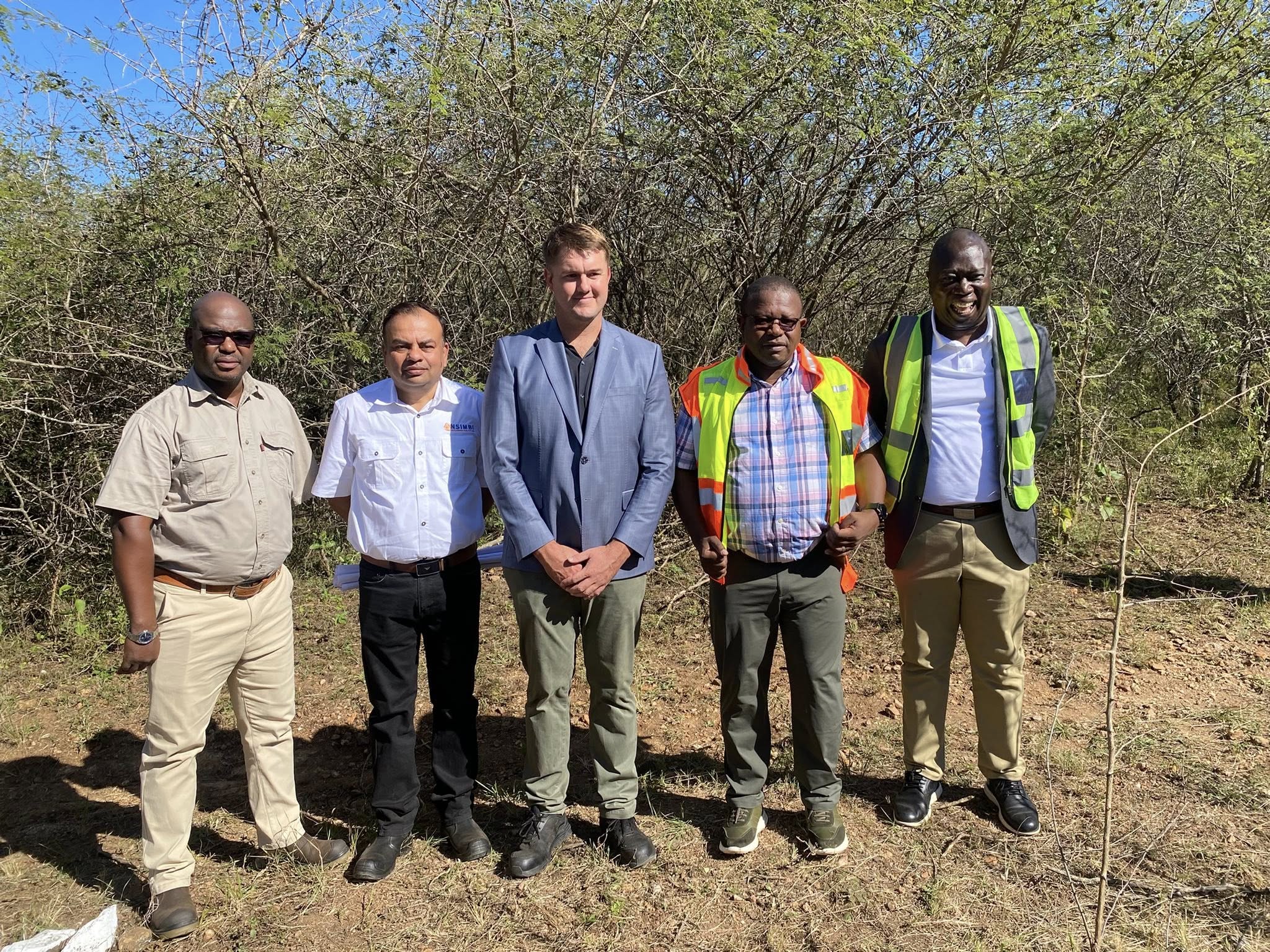
The country has leaped forward in its industrialisation drive with the official commissioning of Eswatini Metal Foundries at Sidvokodvo on Wednesday.
This is the country’s first large-scale metal facility situated on 15 hectares of land. It is a project by one of the companies that made a pledge at the Eswatini Investment Conference last year.
The project, worth over E750 million, is a breakthrough towards building a value-adding economy and is expected to create over 500 jobs.
The five-phase industrial project is expected to process scrap metal including steel, copper and used batteries and tyres into reusable industrial material. Once processed, the end product will be exported through rail to global markets, including Japan where aluminium is in demand for the automobile industry.
Minister of Commerce, Industry and Trade Manqoba Khumalo said the project was a breakthrough for the nation’s industrial sector.
Khumalo said the commissioning of the project showed that the country was moving towards improving the manufacturing sector without relying on importing raw materials.
He said it also sent a strong signal to investors that the country was expanding its industrial capacity.
He added that the country has never had a project like this and it would also be exciting for the communities around Sidvokodvo, including Kubuta and Nkwene, because they will find jobs here.
“We are an export-driven economy and we do not like exporting raw things, but we want to process them and this is exactly how this company has responded to that call to say let us do beneficiation in the country.
“This will help add value and bring foreign currency into Eswatini. This is one of the things that excites us about this project,” Khumalo said.
ALSO READ | Africans Must Remain at Centre of Continent’s Economy
The first phase is expected to be completed in May 2027, and the full completion stage will be reached in five years. This will also boost the local supply chain and support machinery components, among other things.
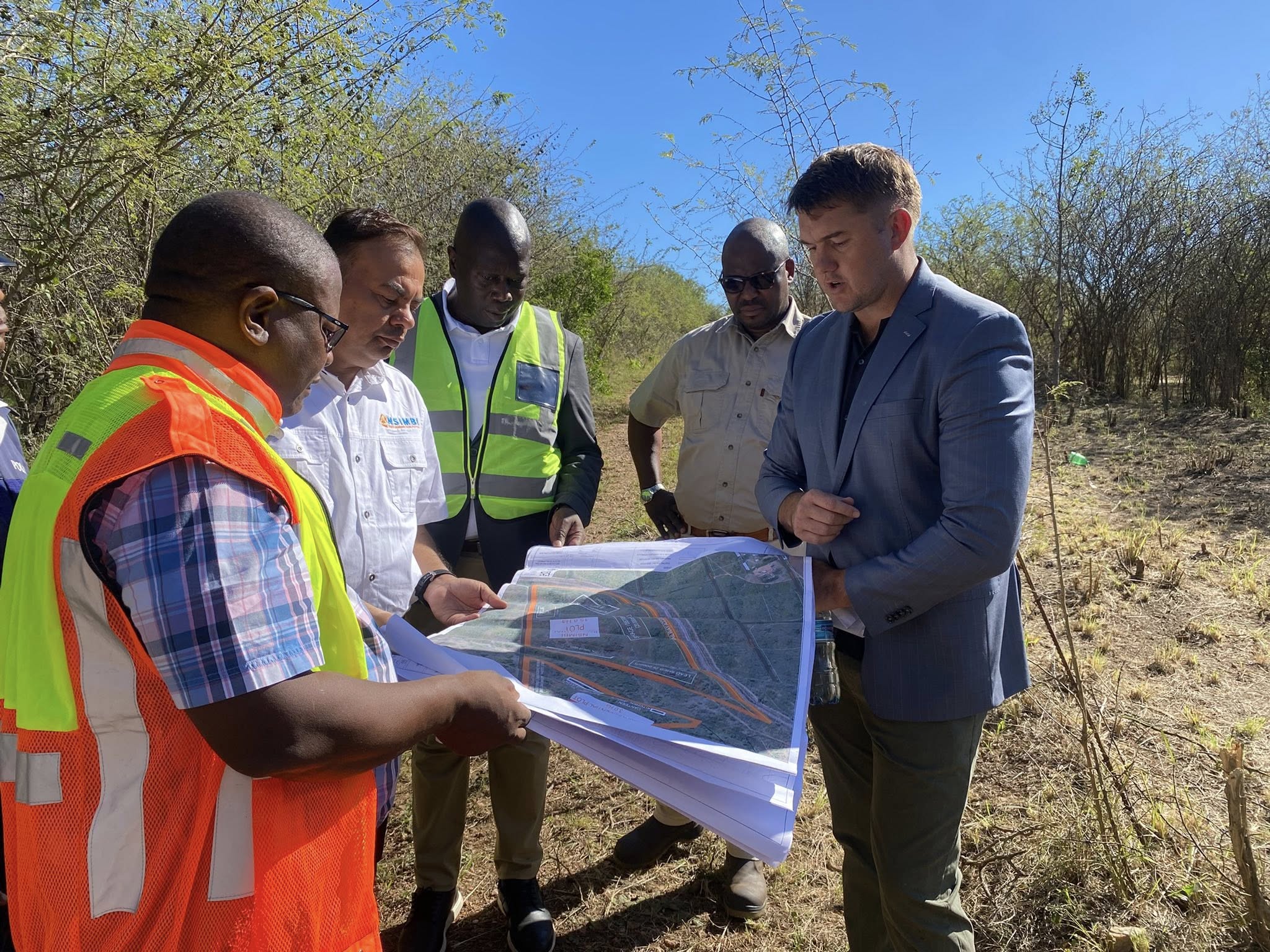
The facility is situated within the Sidvokodvo industrial zone, a location chosen specifically to harness superior logistical links and existing infrastructure that will ensure long-term production efficiency.
This move is expected to generate significant economic impact by creating more than 500 jobs across specialised technical and industrial fields.
The project further aims to revitalise the local value chain by establishing a formal market for scrap metal sourcing within the country.
The project will be implemented in five phases. Eswatini Metal Foundries Chief Executive Officer (CEO) Matthew Sprague emphasised that they were looking at recycling tyres in the tyre pyrolysis plant.
Unpacking the project, he said in this plant the process included shredding the tyres and burning them, converting the rubber into oil in the foundries as an energy component.
In the second phase, they will look at other lines of production and manufacturing long-term secondary products ready for exporting.
He said they identified the land at Sidvokodvo because it is closer to the railway, which would make transportation easier.
This aligns with the country’s 2023-2033 Industrial Policy, setting out a national vision of diversifying high value-added manufacturing, creating decent jobs and driving industrialisation through green economy and waste management initiatives.