

His Majesty King Mswati III remains committed to building a world where every person can live with dignity, opportunity, and hope.
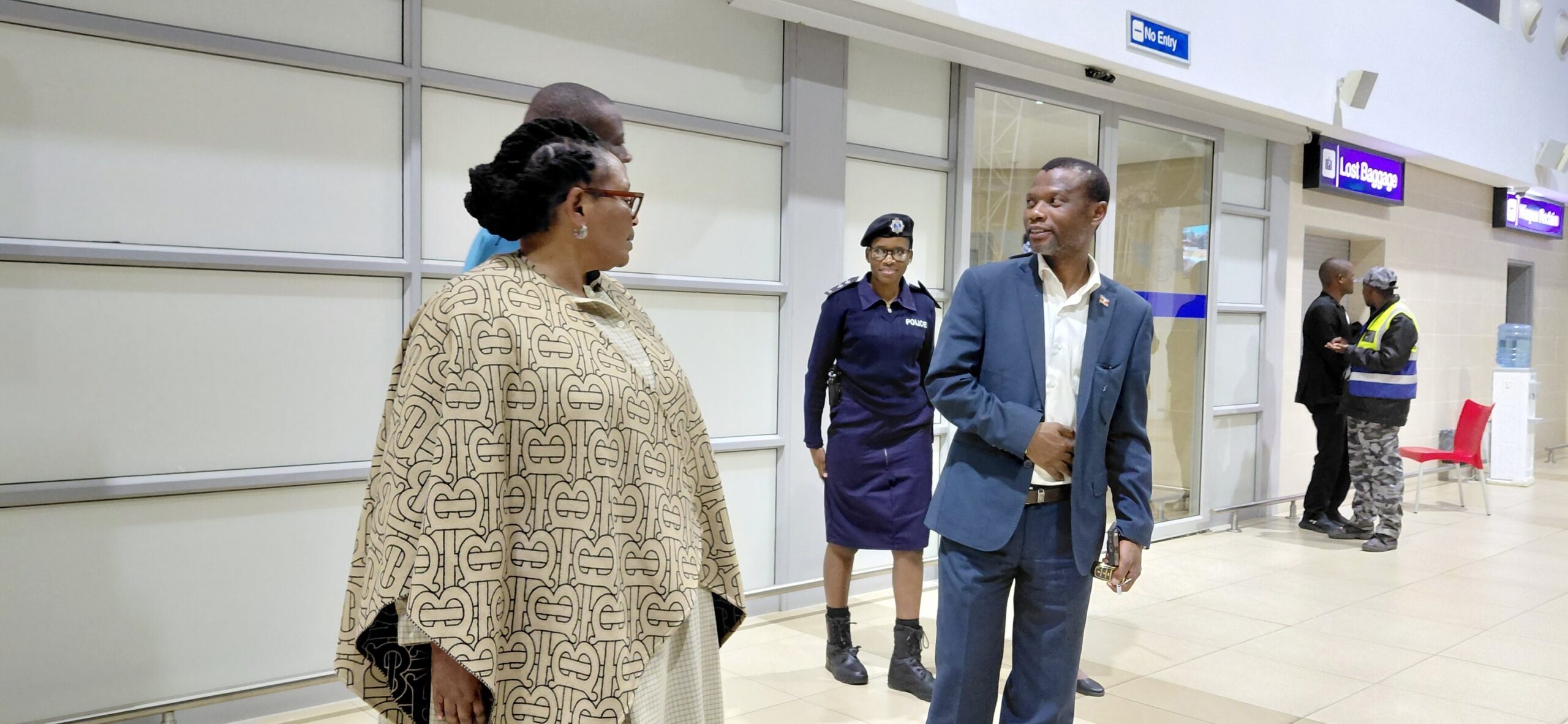
This was shared by Deputy Prime Minister Thulisile Dladla during her participation at the Second World Summit for Social Development (WSSD2) held in Doha, Qatar, from November 4–6.
Eswatini Observer WhatsApp Channel
Representing His Majesty and the nation, Dladla joined world leaders and policymakers under the theme “It’s Time to Deliver Solutions.”

Eswatini’s Vision of Empowerment and Self-Reliance
The DPM reaffirmed Eswatini’s commitment to the values of the 1995 Copenhagen Declaration on Social Development and delivered a statement expressing His Majesty’s gratitude to Sheikh Tamim Bin Hamad Al Thani, the Emir of Qatar, for hosting the summit.
Dladla led a delegation that included the Minister of Sports, Culture and Youth Affairs Bongani Nzima, Eswatini’s ambassador to the UN in New York, and the CEO of the Eswatini National Youth Council.
She explained that, under His Majesty’s visionary leadership, Eswatini has shifted from welfare dependency toward empowerment and self-reliance, ensuring that citizens are active participants in the nation’s development rather than passive beneficiaries.
“Every citizen should be a creator of development, not just a recipient,” Dladla said.

Families as the Foundation of Development
Dladla emphasised that the family remains the cornerstone of inclusive and resilient societies.
She said side events and country presentations during the summit reinforced that empowering families is key to achieving the Sustainable Development Goals (SDGs).
“By placing families at the centre of development, we build stronger communities and ensure no one is left behind,” she said.
She also highlighted Eswatini’s “Housing and Human Security for All” model, which redefines housing as a social institution central to inclusion, health, and opportunity.
Progress in Gender Equality and Social Inclusion
The DPM said Eswatini has made significant progress in gender equality, reflected by the increasing number of women in Parliament and decision-making positions.
She added that the inclusion of youth and persons with disabilities has been strengthened through the Persons with Disabilities Act (2018) and the ratification of the Convention on the Rights of Persons with Disabilities (CRPD).
“Government has prioritised secure housing for the elderly and persons with disabilities to ensure that development is rooted in dignity and accessibility,” she stated.
Grassroots Empowerment and Economic Growth
Dladla outlined several key empowerment programmes, including:
– Regional Development Fund (RDF): provides seed capital for income-generating projects to promote self-employment and local ownership.
– Youth Enterprise Revolving Fund (YERF): offers start-up and expansion loans, mentorship, and skills training for young entrepreneurs.
– She noted that Eswatini continues to leverage regional integration through SADC and the African Continental Free Trade Area (AfCFTA) to overcome its landlocked status.
Transforming Rural Livelihoods
Through the Eswatini Water and Agricultural Development Enterprise (EWADE), government has expanded irrigation systems, promoted climate-smart agriculture, and strengthened food sovereignty.
These initiatives have enabled smallholder farmers to move from subsistence to commercial farming, increasing household incomes and creating employment opportunities.
Education and Climate Resilience
The DPM also called for integrated housing strategies linking shelter with education, employment, and social protection.
She highlighted community-led upgrades and urban safety monitoring tools, inspired by South Africa and Mexico, as scalable solutions for informal settlements.
“Education is a transformative investment for climate resilience,” she said, calling for climate-smart education that combines literacy, vocational training, and environmental awareness to empower youth and women while creating green jobs.
Building an Inclusive Future
Dladla concluded by stating that true national stability is rooted in social justice and shared prosperity.
“For Eswatini, social development is not merely policy — it is a moral obligation toward human dignity and inclusion,” she said.
Eswatini Observer Press Reader | View Here