


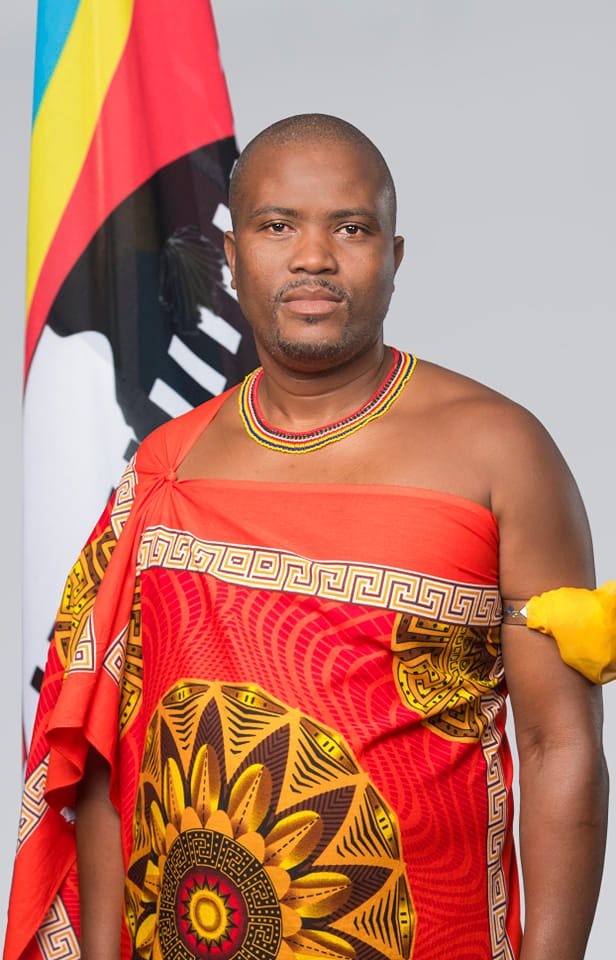
MINISTER of Tinkhundla Administration and Development Sikhumbuzo Dlamini has said once implemented, the country’s local government system will be among the best globally, thus prompting other African nations to emulate it.
This was shared by the minister when welcoming a delegation of African leaders that would be part of the Eswatini local government conference to be held from tomorrow until Friday. The conference will be themed ‘Tinkhundla system of government: One country; one system of local government.’
This is as per the dictates of Chapter XIII of the Constitution of the Kingdom of Eswatini (2005), which outlines the establishment, administration and functions of local government areas within the kingdom.
Section 218 (1) of the Constitution prescribes that ‘Parliament shall within five years of the commencement of this Constitution provide for the establishment of a single countrywide system of local government which is based on the Tinkhundla system of government, hierarchically organised according to the volume or complexity of service rendered and integrated to avoid the urban rural dichotomy.’
Government has made three attempts since 2008 to develop an enabling legislation to support the decentralisation functions. However, these attempts were inconclusive, recognising that the need for such legislation remains imperative, and further realising the need to respond to the public outcry at the 2023 Sibaya (the Eswatini National Council).
The ministry of tinkhundla administration and development sought advice from the attorney general’s office and further requested cabinet approval to extend the initiative and operationalise Chapter XIII of the Constitution.
To strengthen expertise on the development of the legislation, consultative meetings were held with five countries to consolidate good practices of countries that have adopted and implemented local government systems of governance. The countries were consulted in three phases, including the Republic of Ghana, Kenya, Rwanda, Uganda, and Zambia. The country has already drafted a Local Government Bill.
The minister said Eswatini had two local government systems; one in the urban areas, which was governed by the different municipalities and the Tinkhundla system of governance.
“We have 59 constituencies countrywide but in the cities, there are two local governments there. They work in the same area with different objectives. Though the constitution of 2005 has been mandated to make sure that there is a single countrywide local government system, which is Tinkhundla based,” he said.
Dlamini said furing the conference they would be having chiefs, Cabinet ministers, members of parliament (MPs), regional administrators and chief executive officers. He said the youth and people with disabilities would also take part.
“Through this conference, locals will appreciate the system of governance and help us in coming up with good legislation for local government. Eswatini will be a hub for benchmarking next time because we have taken good practices from different countries and came up with the best local system of governance in place. It is now time to ensure that it is easy to go through Africa to enhance tourism and Ubuntu as we are one nation,” he said.
Dlamini then enlightened the delegation about the country’s system of governance and said there was parliament where members were elected by the people. He said after the elections of parliamentarians, His Majesty King Mswati III then appoints the prime minister. He said the PM then advises the king on the appointment of cabinet ministers, highlighting that this was a peaceful system of governance and was looking forward to changing some dynamics of the system for the better. He said there was the monarch at the top that was working with chiefs.
Dlamini added that Eswatini was known mainly for its respect and kindness. He said the kingdom was one peaceful country, which was why they hailed the leadership of Their Majesties.
He said the reason the leaders were invited into the country was a sign that they identified good practices from their jurisdictions during the benchmarking exercise.
Adding, the minister said the main objective for the conference was because they do not want to dilute what they were told during the benchmarking exercise but provide the platform for the nation to understand the good practices that could be done in a local government setup.