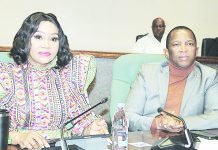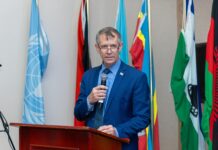

Deputy Prime Minister’s office Director of Social Welfare Services Mcusi Shongwe met with stakeholders including the police and youth-based organisations to discuss growing concerns surrounding the safety and welfare of children in private discipline camps, ahead of planned engagements with the discipline camp operators.
The meetings form part of government’s ongoing assessment of the operation of discipline and rehabilitation camps across the country, amid concerns over child safety, vetting of trainers, discipline methods and compliance with the Child Protection and Welfare Act.
Shongwe said as the ministry responsible for children, government had an obligation to intervene in matters involving the welfare and protection of minors.
According to Shongwe, discussions with stakeholders focused on whether some of the discipline methods being applied in the camps were aligned with national laws, child protection standards and internationally accepted safeguarding frameworks.
This is after concerns from the DPM’s office over reports that children were being housed in tents in remote bush settings and subjected to harsh physical exercises, including prolonged exposure to mud and strenuous drills regardless of age or gender.
Government fears some of the practices may infringe on children’s rights and conflict with the country’s positive discipline framework, which promotes non-violent, age-appropriate and child-centred correction methods.
Section 14 of the Child Protection and Welfare Act of 2012 states that a child must be protected from cruel, inhumane or degrading treatment and that discipline must be appropriate to the child’s age and condition.
Concerns have since emerged over whether some activities conducted in the camps meet the threshold of humane and appropriate discipline.
Shongwe also said government remained concerned about the individuals entrusted with children in these camps and whether they had undergone proper vetting and training to work with minors.
The DPM’s office had earlier disclosed concerns that some individuals associated with certain camps allegedly had criminal records, including convictions related to child abuse, while there were fears that some trainers could themselves be engaging in substance abuse.
Authorities further questioned whether boys and girls of different ages were being subjected to the same forms of training without consideration of their developmental and physiological differences.
The social welfare director said having concluded engagements with stakeholders, government would now proceed to invite discipline camp operators for discussions. He said the purpose of the engagements would be to hear directly from operators about the programmes they offer and assess whether their operations comply with the law and child protection standards.
The upcoming meeting is also expected to focus on safeguarding policies, operational models, accountability systems and the overall welfare of children enrolled in the camps.
RELATED | DPM’s office tackles discipline camps’ safety, rights concerns
Government is further seeking to establish a clearer framework and checklist for institutions dealing with children to ensure compliance with national laws and protection standards.
“We have to step up on every issue involving children because as government we have a responsibility to ensure their safety, protection and wellbeing at all times,” said Shongwe.
He maintained that while rehabilitation and behavioural intervention remain important, all programmes involving children must place their rights, dignity and safety at the centre.

Regional social welfare offices are currently collecting information and conducting assessments related to the camps as part of government’s broader intervention process.
‘We reached out to DPM’s office’
Rising Stars Generation says it had previously attempted to engage the DPM’s office in writing before concerns surrounding private discipline camps were raised publicly.
In a statement released by Rising Stars Generation founder Prince Motlou, the organisation said it was saddened by concerns raised regarding the operation of discipline camps, insisting that its programme was established to support behavioural reform and youth development through structured activities aimed at addressing drug abuse, low self-esteem and discipline challenges.
The organisation stated that it was legally registered locally as a non-profit entity and remained committed to operating within the laws of the country and respecting children’s rights.
Motlou said the organisation recognised and supported protections provided under the Child Protection and Welfare Act and the Sexual Offences and Domestic Violence Act.
He further stated that direct engagement with authorities was important in distinguishing responsible youth reform programmes from practices that may genuinely place children at risk.
Motlou added that the organisation remained willing to engage government and relevant authorities in order to strengthen understanding and contribute towards any lawful framework that may be developed around discipline camps and rehabilitation programmes.
He further highlighted that the programme relied largely on support from parents and guardians and claimed to have received positive feedback from families whose children had shown behavioural improvement after participating in the programme.