Diplomatic partners, Eswatini Gender and Sexual Minority (ESGM) and civil society organisations have highlighted the need for Minister of Education and Training Owen Nxumalo to retract statements made about LGBTQI+ learners.
During school tours at Woodlands High School in Mbabane last Tuesday, Nxumalo said there was no space for gay learners in schools. Evidence relating to the alleged remarks was presented and examined during the meeting.
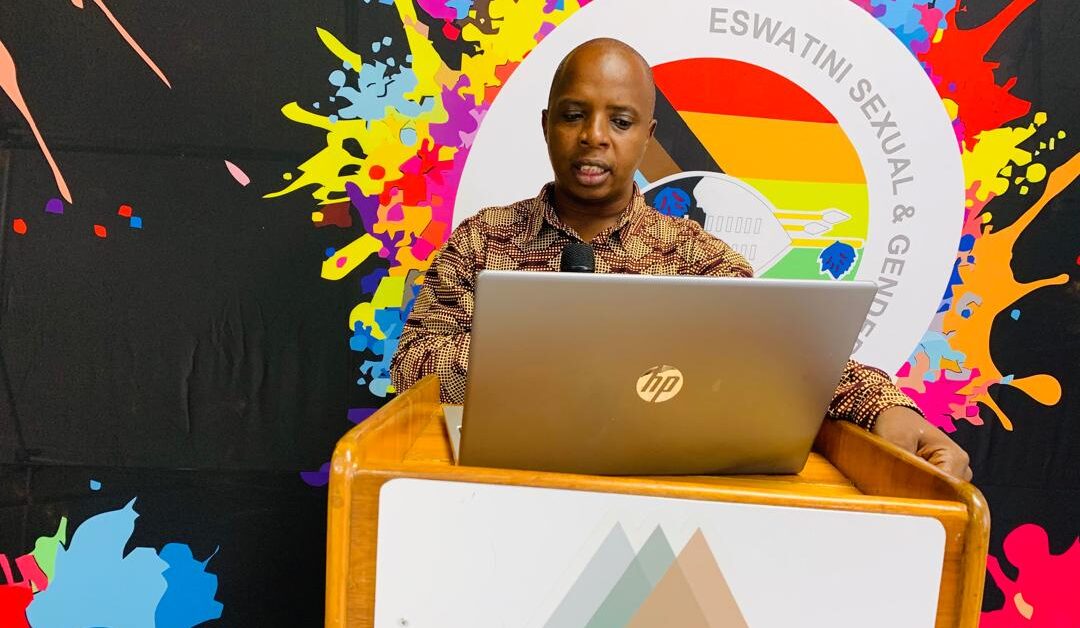
ESGM Executive Director Mpile Sihlongonyane said their primary concern was to ensure that no learner in the country was forced to choose between their sexual identity or orientation and their education.
According to Sihlongonyane, they understood the gravity of the situation and indicated that the organisation would explore the most effective way forward in continuing to call for the minister’s retraction. Sihlongonyane said together with their partners, they had adopted a joint position clearly stating that the right to education is not conditional.
He added that they had begun developing strategic clarity, mapping possible approaches and identifying the best way forward. He said the agreed position following the meeting would be communicated to all partners via email.
He noted that their advocacy was firmly rooted in the country’s Constitution and the Children’s Protection and Welfare Act of 2012. Although ESGM does not work directly with minors, he said they understood that the adults they serve today were once children sitting in classrooms.
Sihlongonyane said the organisation’s lack of formal registration did not diminish the seriousness of the human rights issues at stake. He appealed to partners to use their networks to monitor any attempted exclusions in schools and to share such data with relevant structures, as part of the continued advocacy for quality education as guaranteed by the Constitution.
He further requested solidarity from partners, reminding them that the meeting was held in the best interests of the child. “We are parents and we have a collective responsibility,” he said.
Sihlongonyane added that discrimination, whether real or perceived, as observed from certain utterances by political administrators, acts as a barrier that closes the schoolhouse door.
He said it invited bullying, fuelled mental health crises, led to the systematic exclusion of bright and capable citizens from their own future and in extreme cases, could result in suicide.
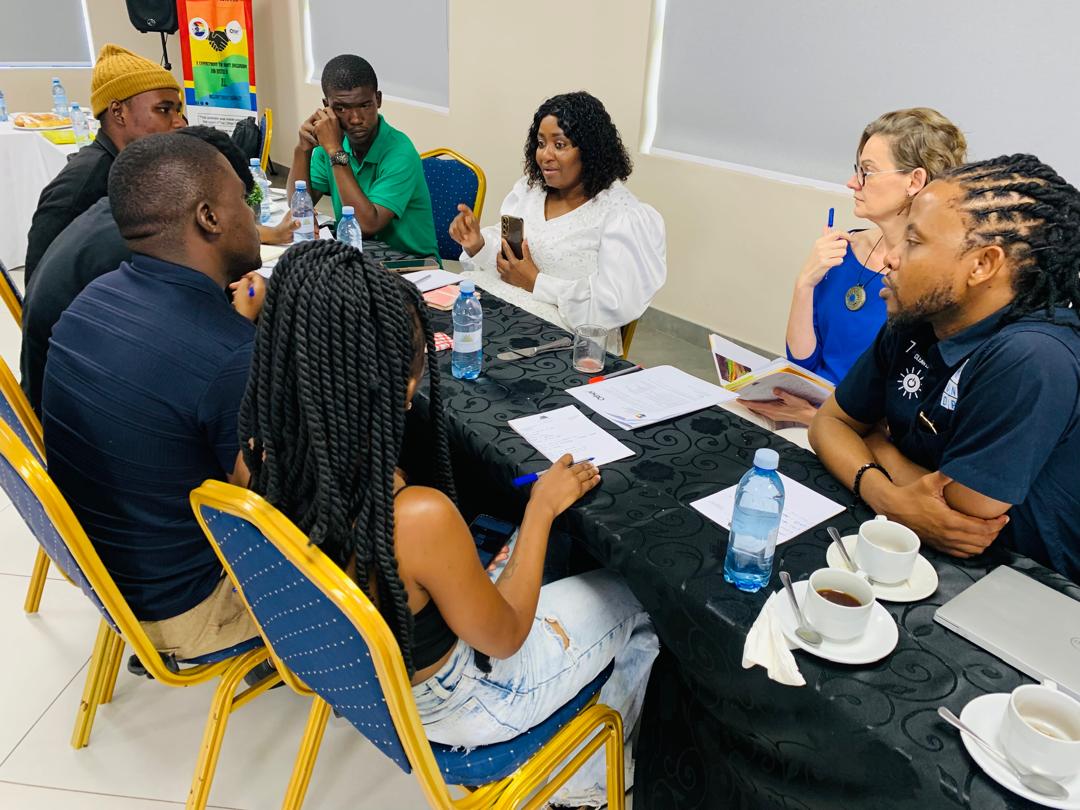
He said ESGM’s mandate had stood at the intersection of human rights advocacy and community support for the past seven years. As human rights defenders, he said, they could not remain silent when the rights of the next generation were under threat.
“We are here because the principle we fight for; equality must begin with a safe seat in a classroom for every child. All of us here have passed through a classroom, and we need to create a space where every child and future generation is afforded that same opportunity.”
Sihlongonyane said the collaborative way forward required an awareness of the organisation’s operational context, noting that ESGM continued to navigate a complex legal process regarding its official registration following the 2023 Supreme Court ruling.
He said the current and future meetings were expected to generate agreed recommendations that would reflect their commitment to lawful advocacy and collectively remind the State of its own laws, as set out in the 2005 Constitution and the Children’s Protection and Welfare Act of 2012.
“It is important to clarify our scope. We are a community-led movement committed to the dignity and equality of all people,” he said.
Sihlongonyane stated that ESGM’s mandate strictly limited it from working directly with children under the age of 18.
However, he said the organisation focuses on strengthening referral pathways by collaborating with all relevant partners to ensure effective support structures.