AGROECOLOGY is a crucial and critical pathway to transform food systems in Southern Africa amid rising climate shocks that intensify food insecurity and unsustainable farming models.
Agroecology is sustainable farming that works with nature and how sustainable food and farming systems are designed and managed.
| Eswatini Observer WhatsApp Channel
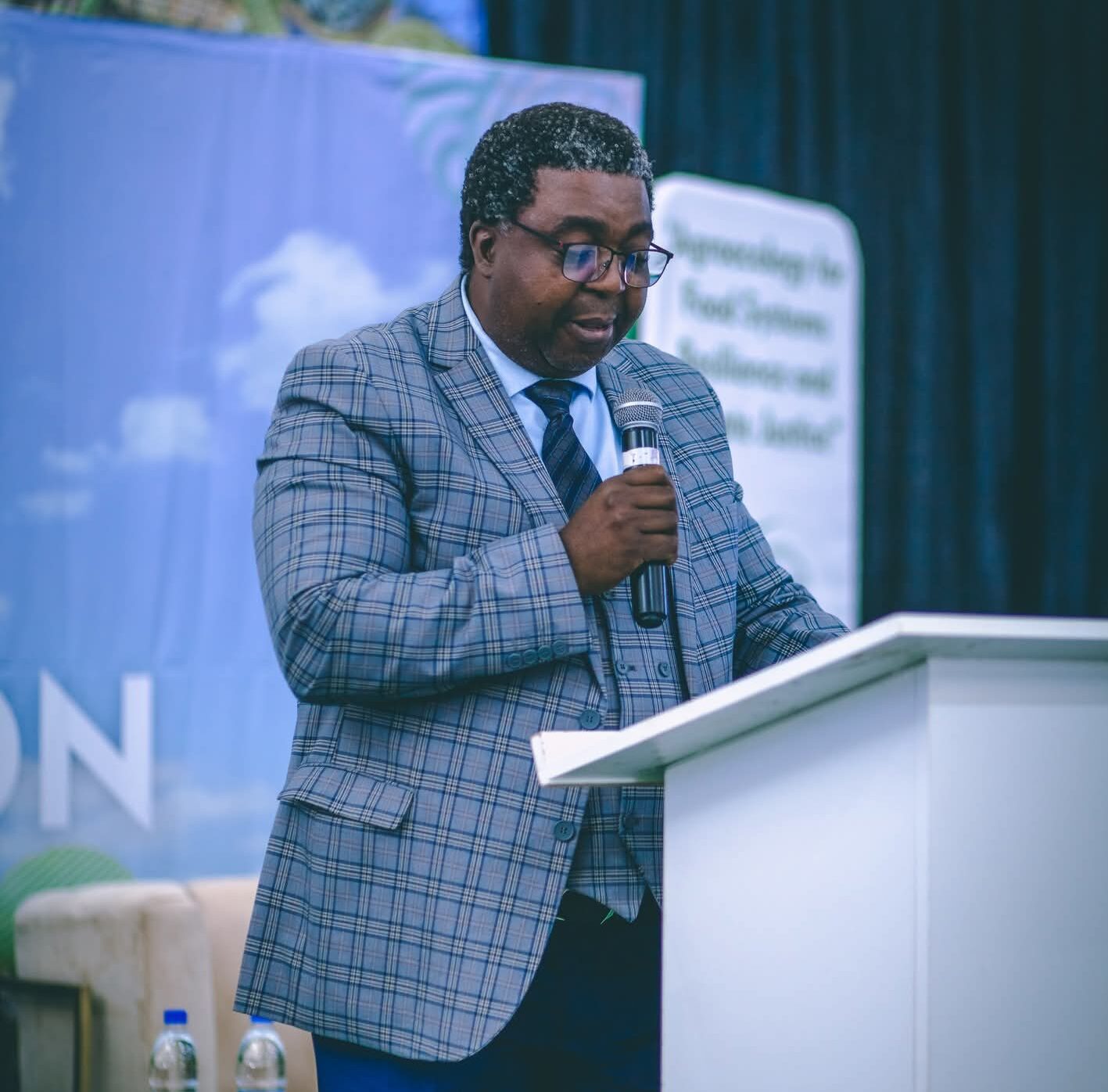
Centre for Coordination of Agricultural Research and Development for Southern Africa (CCARDESA) Special Projects Coordinator Futhi Magagula was speaking at the first National Sustainable Agriculture Indaba in Eswatini held at Mavuso Trade and Exhibition Centre on Tuesday.
The theme was ‘agroecology for Food System Resilience and Climate Justice’. She said the Southern African Community Development (SADC) region could no longer delay embracing agroecology if it hoped to build resilience, cut dependency on food imports and empower communities.

Magagula outlined four pressing reasons agroecology had become urgent for the region. Top of the list was escalating hunger and malnutrition.
She warned that current production models were heavily reliant on imported fertilisers, pesticides and hybrid seeds which are both costly and vulnerable. She said this was an addition to climate change and its effects on farmers.
“Agroecology is not only about farming differently, but about ensuring our people have diverse and nutritious food systems.
‘‘Over 55 million people in the SADC region are facing food insecurity this year and agroecology enhances local food diversity, improves diets and reduces dependence on costly imports.
‘‘We are a climate hotspot. Droughts, cyclones and erratic rainfall threaten lives and livelihoods. Soil degradation and biodiversity loss undermine long-term productivity. Agroecology can strengthen resilience by promoting soil health, conserving water and diversifying systems,” she said.
According to Magagula, agroecology aligned closely with Africa’s development blueprints and global sustainability agendas.
She said the African Union’s Climate Strategy (2022–2032), the Malabo Declaration on Agricultural Growth (2014) and the Africa Fertiliser and Soil Health Action Plan (2023) all placed emphasis on ecological farming approaches. Globally, she said agroecology advanced the United Nations (UN) Sustainable Development Goals (SDGs) especially those on hunger, climate action, biodiversity, gender equality and responsible consumption.
Adding, she emphasised that by using indigenous knowledge and local resources, agroecology restored food sovereignty and cut reliance on expensive inputs. By diversifying crops and farming methods, she said the concept created an opportunity for green jobs particularly for youth and women.
She cited growing demand for organic produce, compost enterprises and mobile climate advisory services as examples of new value chains.
Magagula emphasised that supportive policy frameworks would determine whether agroecology could thrive.
“Governments must reform subsidies, strengthen extension services, and create financing tools that reward sustainable practices. Evidence is critical and we must demonstrate that agroecology can deliver productivity, resilience and income outcomes.
‘‘Agroecology is more than farming practice; it is a transformative approach to achieving resilience, equity and sustainability,” she said. “If backed by strong institutions, coherent policies and targeted investments, agroecology will empower farmers, safeguard biodiversity and guarantee healthy diets for present and future generations,” added Magagula.
Eswatini Observer Press Reader | View Here