


The 2026 Global Money Week (GMW) has officially been launched, signalling several activities designed to equip young people with essential financial literacy skills.
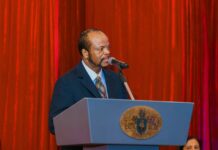
Neal Rijkenberg launched the week, which is being held under the theme ‘Smart Money Talks’, at the headquarters of the Central Bank of Eswatini in Ezulwini yesterday.
This year’s Global Money Week will be observed from March 16 to 22.
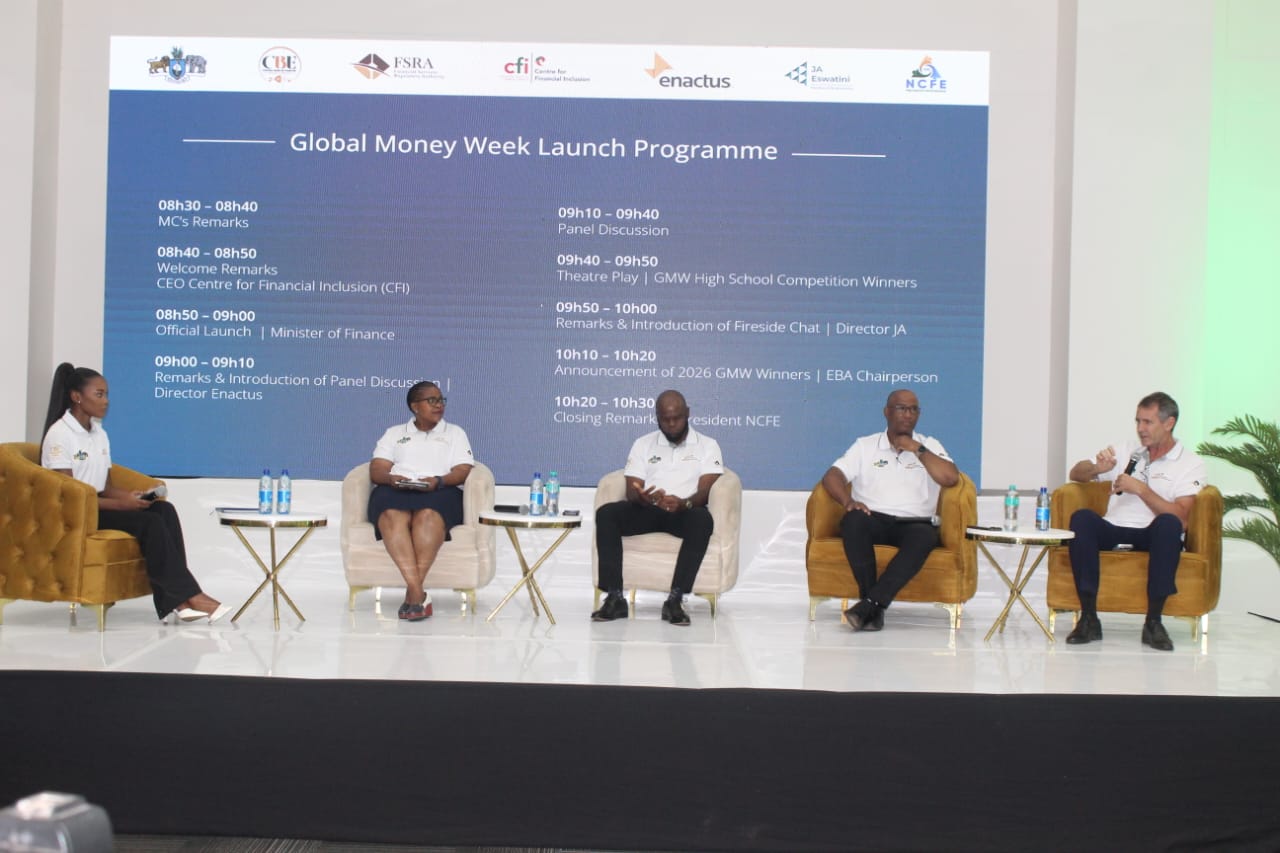
Strategic partners and captains of industry attended the launch, while panellists empowered young people to make responsible decisions about money in order to navigate today’s complex financial environment.
Rijkenberg urged the youth to be curious and proactive by asking questions about interest, budgeting, digital payments, savings, borrowing and insurance while making smart financial choices.
He said smart money decisions were not about how much one earns, but about how well a person manages the money they already have.
The minister cautioned young people to be wary of marketing tactics that are manipulative, noting that financial awareness helps people avoid unnecessary spending and poor financial decisions.
He emphasised the importance of financial literacy, stating that it helps people:
– Avoid falling into debt traps
– Prepare for financial emergencies
– Grow ideas into sustainable businesses
– Build stable and independent lives
Rijkenberg said government recognised that access to financial services alone was not enough, adding that people must also understand how to use these services wisely.
As a result, government continues to strengthen policies and promote financial education, consumer protection and financial inclusion so that financial products benefit citizens rather than work against them.
The minister encouraged young people to continuously seek knowledge and advice on financial matters.
He said financial literacy formed the backbone of sustainable entrepreneurial success.
“Money is something that all of us deal with every day. We earn it, spend it, save it and often borrow it. Yet, for many people, money is not openly, transparently and realistically discussed,” he said.
Rijkenberg explained that the theme ‘Smart Money Talks’ encouraged open conversations about finances, learning from mistakes and sharing knowledge.
“The theme reminds us that talking about money, asking questions and learning from others is the first step towards financial confidence,” he said.
The minister further said it was important for students to understand what was happening at national level because it directly affected communities, households and individuals.
He noted that if governments were facing challenges in balancing national budgets, the financial pressures on families and communities were even greater.
Rijkenberg urged students to reflect on how national economic issues affect their regions, communities and households.
“This gets specifically focused on our students. Ask yourself how national developments impact your region, community, family and yourself,” he said.
He added that understanding the broader economic landscape would help young people make better financial decisions in their own lives.
Additional Context
Global Money Week is an international initiative aimed at raising awareness about the importance of financial education among young people, encouraging them to develop responsible financial habits from an early age.