
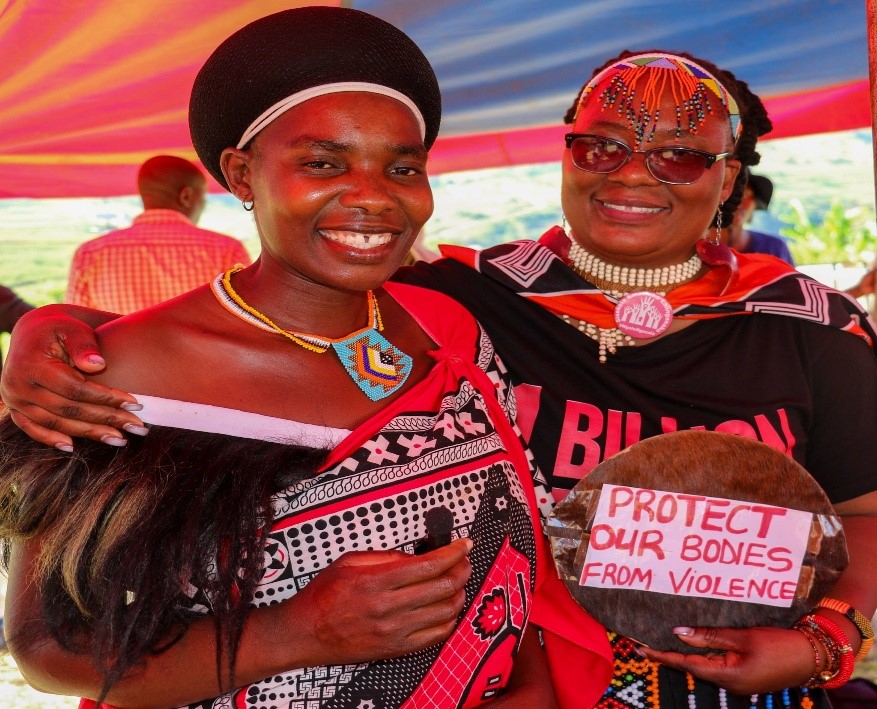
IN the country, March has become more than just another point on the calendar — it is Women’s Month, a time filled with celebration, reflection, activism and community engagement.
This month unites local civil society movements like One Billion Rising Eswatini with global observances such as International Women’s Day (March 8), all drawing attention to the strength, resilience and aspirations of women and girls.
Across the country, March is marked not only by cultural events and artistic performances, but also by dialogues on rights, policy and change. Organisations, activists and citizens engage in marches, workshops and creative gatherings centred on themes such as ending gender-based violence and fostering gender equity.
The activities underscore the deep cultural value of women — not only as caretakers, mothers and sisters, but as agents of social transformation.
One of the prominent expressions of this drive is One Billion Rising Eswatini, the local chapter of a global campaign that uses art, dance and collective mobilisation to demand an end to violence against women and girls.
Early March last year, women, men, boys and girls joined hands in events such as Cultural Artistic Rising, celebrating the country’s rich heritage while speaking out against violence and discrimination. These performances are powerful not simply as entertainment, but as tools of awareness, solidarity and collective healing.
March also includes International Women’s Day, which provides a focal point for reflecting on women’s achievements, struggles and rights locally and globally. It reminds us that gender equality is not merely an ideal, but an ongoing challenge that must be pursued through collective effort.
What International Women’s Day Means Locally
International Women’s Day (IWD) carries deep significance in the country.
It is a day to honour the achievements of women in business, agriculture, education and public service, while also acknowledging the continued struggle against inequality and gender-based violence.
Celebrations led by government, development partners and civil society bring together stakeholders from various sectors to celebrate progress and urge further action.
For women locally, International Women’s Day is also a reminder of commitments made under global frameworks such as the Beijing Platform for Action and the Sustainable Development Goals (SDGs) — particularly Goal 5: Gender Equality, which seeks to end discrimination and violence, increase access to economic resources and secure full participation in leadership and decision-making.
Women have used this occasion to amplify their voices — expressing pride in progress made while highlighting persistent barriers. They share stories of economic empowerment, community leadership and parents encouraging daughters into education and careers once considered unattainable.
Yet structural inequalities remain deeply entrenched.
The Gaps That Still Exist
Despite notable strides, significant gaps remain in achieving full gender equality.
Gender-Based Violence (GBV)
Violence against women and girls remains a major concern. Surveys and human rights reports indicate that a significant number of women experience sexual or physical violence.
Campaigns like One Billion Rising have placed GBV at the forefront, yet the continued need for such initiatives underscores how prevalent the issue remains. Survivors often face stigma, and access to justice and support services remains inconsistent, especially in rural areas.
Economic Participation and Employment
Although gender gaps in education are narrowing, disparities persist in employment and leadership opportunities.
Women are slightly less likely than men to hold full-time jobs. Barriers such as childcare responsibilities, rigid employer practices and cultural expectations continue to limit participation.
Limited access to land and capital further compounds economic exclusion. While programmes aimed at securing women’s land rights and economic assets exist, implementation remains uneven.
Political Representation
Women’s representation in decision-making structures remains below desired levels.
Although progress has been made, women occupy only a fraction of parliamentary seats — far below global parity benchmarks and the aspirations of equality advocates.
Greater inclusion in governance is essential, as women’s perspectives influence priorities in healthcare, education, public safety and infrastructure.
Structural and Cultural Norms
Beyond policy frameworks, cultural norms continue to shape women’s lived realities.
Patriarchal structures, entrenched gender roles and lingering traditions can limit autonomy and voice. Even where legal protections exist, their effectiveness is often undermined by social acceptance of unequal norms.
What Needs to Be Improved
Building a future where women experience full equality, dignity and opportunity requires sustained commitment.
Gender equality laws must be more effectively enforced so that protections against domestic violence, harassment and discrimination are reflected in everyday life.
Survivor support services — including shelters, trauma counselling, legal assistance and safe reporting systems — must be expanded, particularly in rural communities.
Economic empowerment must also be prioritised. Women need improved access to employment, credit, entrepreneurship opportunities and vocational training, supported by public–private partnerships and targeted investment.
Inclusive education and leadership programmes can open pathways in STEM, civic leadership and political participation, helping dismantle long-standing stereotypes.
Finally, meaningful cultural transformation is crucial. Communities must challenge harmful norms, engage men as allies and promote shared responsibility for equality.
Initiatives rooted in culture, art and dialogue — such as those led by OBR Eswatini — demonstrate that sustainable change is possible when it grows from collective action and shared community values.