

Last week’s clash between an MP and his bucopho, which resulted in the latter reporting the former to the police for alleged assault, has exposed wider conflicts among politicians over who should handle State-funded projects.
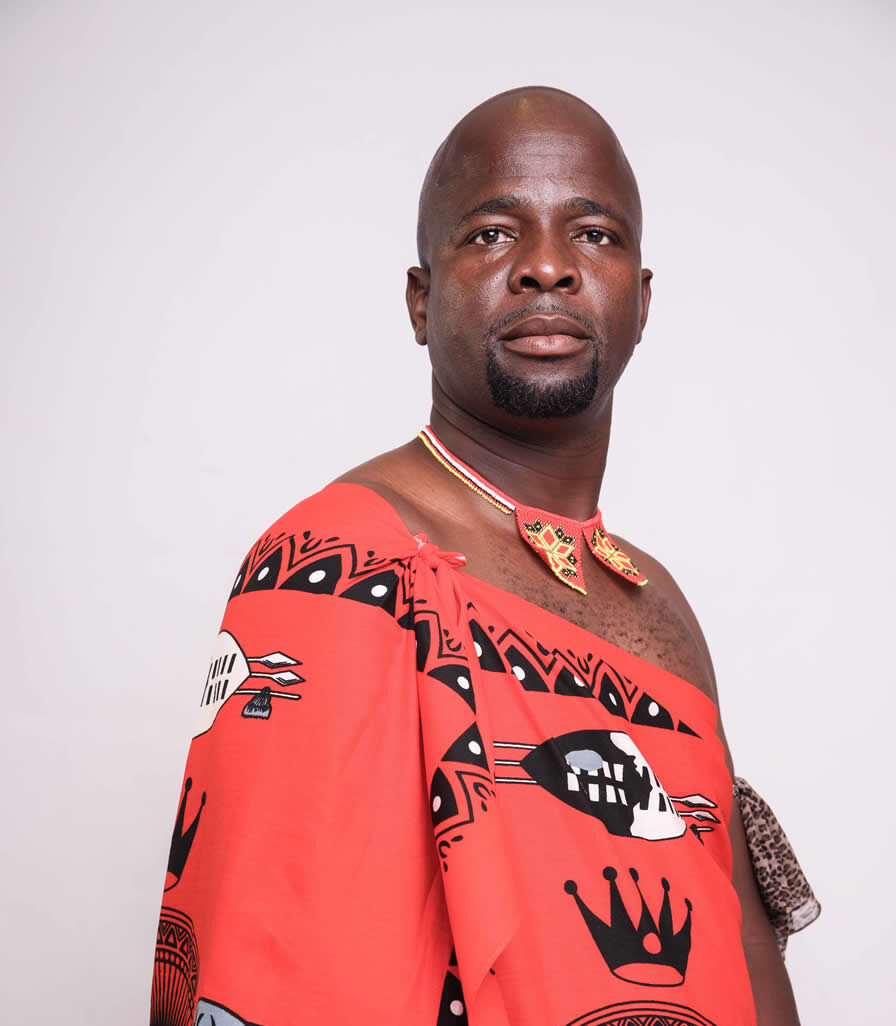
This publication reported last week that Constituency Councillor (bucopho) Meshack Gamedze reported Mpolonjeni Member of Parliament (MP) Kwanele Ndzimandze for allegedly assaulting him with fists on the head in full view of other constituency councillors, including the indvuna yenkhundla and members of his umphakatsi. This reportedly occurred during a road inspection tour following a dispute over the allocation of kilometres for road repairs.
MP Ndzimandze denied physically attacking Gamedze, insisting that the disagreement only ended in a heated argument during the inspection. Deputy Chief Police Information and Communications Officer (PICO), Assistant Superintendent Nosipho Mnguni, confirmed that the matter was reported to the police.
Meanwhile, this incident has highlighted a broader and growing concern among local politicians that some MPs, tindvuna tetinkhundla and bucopho are operating in isolation rather than as coordinated teams — a situation said to be hindering community development and creating confusion.
Several politicians expressed frustration over how development projects were being implemented in chiefdoms without proper coordination. They claim that in some instances the indvuna yenkhundla, particularly when from the same chiefdom as the bucopho, takes over development work to ensure visibility, sidelining the bucopho who is mandated to plan and coordinate such projects.
One politician said this behaviour distorted perceptions of where development originates and who is responsible for it.
“When I was told by a neighbour that a site visit was taking place in my chiefdom with the indvuna, but I was not informed, it made me feel my role was being ignored,” the politician said.
The lack of coordination is said to be fuelling tensions ahead of the next elections. Politicians alleged that MPs sometimes insist that indvuna yenkhundla report directly to them, later presenting updates as if they were hands-on in the work. According to those aggrieved, this undermines roles assigned under the Constitution.
Under the Constitution of Eswatini and the Tinkhundla governance framework, bucopho are elected representatives responsible for coordinating local development projects. Indvuna yenkhundla chair inkhundla committees and supervise development activities, while MPs primarily serve as representatives in Parliament and support documentation and advocacy rather than implementation.
ALSO READ: TEACHERS POORLY TRAINED, MISPLACED – PS
Despite these defined roles, politicians say MPs often assume responsibilities meant to be handled locally and later take public credit for development initiatives.
“MPs often appear at meetings to present development achievements as if they were responsible, even though we have been doing the groundwork with communities,” one politician said.
Tensions reportedly extend beyond reporting structures. In some chiefdoms, indvuna yenkhundla are accused of overshadowing bucopho to ensure projects are associated with their leadership. Politicians argue this undermines governance and creates resentment within communities.
One politician cited a recent road project where he and the indvuna conducted site assessments and coordinated with contractors, yet the MP was placed at the forefront for public messaging and photographs.
“The work we did on the ground is ignored and it appears that development is coming from the MP or indvuna rather than community collaboration,” he said.
The issue of siloed work is not new. Chiefs have previously raised similar concerns, citing development activities carried out in their chiefdoms without their knowledge. They argue their involvement is essential as custodians of traditional governance and key drivers of community mobilisation.
Politicians warn that this lack of coordination creates confusion among residents, who are often unsure who is responsible for project progress. This, they say, undermines accountability and affects perceptions of performance ahead of elections.
Several politicians suggested that the Ministry of Tinkhundla Administration and Development should introduce capacity-building programmes to clarify roles. These could include workshops, induction courses and policy briefs aimed at strengthening collaboration between MPs, tindvuna yenkhundla and bucopho.
They stressed the need for clarity and mutual respect to ensure smooth development delivery and proper acknowledgment of efforts.
Vice Chairperson of the Tindvuna Tetinkhundla, Wilton Mamba, said similar concerns had been raised within their structures. He said regular discussions were held to remind members of operational guidelines outlining responsibilities of office bearers.
Mamba said constituencies could not be run by individuals acting alone and warned that improper conduct warranted disciplinary action. He urged affected politicians to report disputes to regional administrators and emphasised cooperation to ensure smooth service delivery.
Minister of Tinkhundla Administration and Development Sikhumbuzo Dlamini said his ministry actively intervenes in disputes among political office bearers, warning that personal conflicts were stalling development.
He said disputes were first handled by regional offices, with complex cases escalated to his office. Dlamini stressed unity and collective responsibility at inkhundla level, adding that it was improper for MPs to convene meetings in chiefdoms without involving the bucopho.
Dlamini cited a recent dispute between a bucopho and an indvuna yenkhundla from the same constituency, where the bucopho felt sidelined. The conflict resulted in withheld cooperation, delaying development.
He said he did not fault the indvuna for proceeding with projects, noting that the bucopho was unwilling to work.
“If someone does not want to work, then he has no right to stop those who want to bring development to the community and only become serious because elections are approaching,” Dlamini said.
Dlamini also cited another case where a bucopho complained that an MP frequently visited constituents accompanied by messengers (bogalajane), creating the impression of positioning for electoral advantage.
He said this was inappropriate where the bucopho was committed to working and advised that challenges involving tindvuna should be reported to chiefs, who have authority to discipline them.