

The task team looking into the state of the University of Eswatini has found that there had been animosity and misunderstanding between the former registrar (now retired) and the vice chancellor regarding their respective roles.
According to the team, the registrar viewed himself as the chief executive officer (CEO) of the university, while the vice-chancellor was seen as having an external role focused on marketing the university and raising funds.
Eswatini Observer WhatsApp Channel
The task team stated that the registrar had effectively usurped powers to run the university, claiming he was recalled after having left the institution by the former chair of council.
“UNESWA is one university where the registrar has an overreach even into the portfolio of the vice-chancellor, not to mention the roles of deputy vice-chancellors, which are loosely captured as ‘administration’,” the report noted.
The report also cited administrative inefficiencies, such as delays in approving new programmes, poor resource allocation, and excessive bureaucracy, which hinder the university’s ability to respond to emerging challenges. These inefficiencies, according to the report, cause UNESWA to lose out to other universities that have more agile approval processes.
The report further revealed a lack of a coherent strategic vision to address the university’s challenges and align its operations with national and regional priorities.
The report also added that the third-stream income initiatives such as the UNESWA Foundation and Chakaza Holdings have failed to generate significant revenue due to poor oversight and weak leadership by senior management.
Furthermore, the report stated that the absence of strategic planning has left the university ill-prepared to navigate its financial and operational crises.
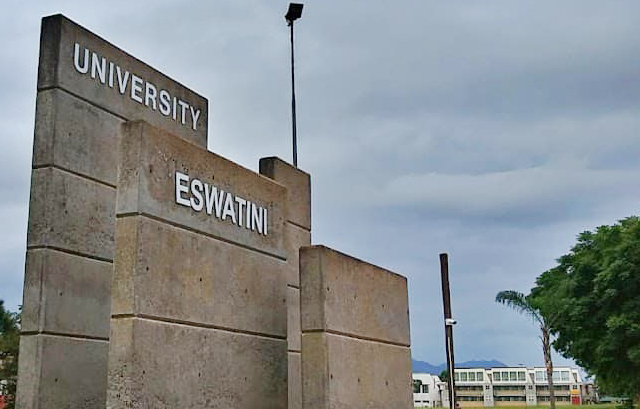
UNESWA facilities in a deteriorating state
MANY lecture halls and laboratories at UNESWA are reportedly in a state of disrepair, characterised by outdated furniture, broken equipment, and poor ventilation.
According to the report, these conditions hinder effective teaching and learning, particularly in Science, Technology, Engineering and Mathematics (STEM) disciplines that require functional laboratories and modern tools.
The task team stated that it observed that some departments lacked essential resources such as properly maintained pH meters and functional computers, forcing students and lecturers to work under suboptimal conditions.
“Student housing facilities are overcrowded and poorly maintained, with issues ranging from leaking roofs and broken plumbing to inadequate security measures.
“These conditions pose safety and health risks for the students, many of whom struggle to find alternative accommodation off-campus.
“The university’s inability to upgrade or expand its housing infrastructure has resulted in a persistent shortage of beds, exacerbating the accommodation crisis,” reads the report. The task team further noted that UNESWA’s libraries were poorly equipped to support academic and research needs.
Collections were said to be outdated, lacking modern textbooks, journals, and digital resources.
They added that study spaces were limited, poorly ventilated, and often overcrowded, forcing students to compete for access to learning materials.
The lack of robust electronic resources and reliable internet access according to the report further restricted the library’s usefulness.
Eswatini Observer Press Reader | View Here