

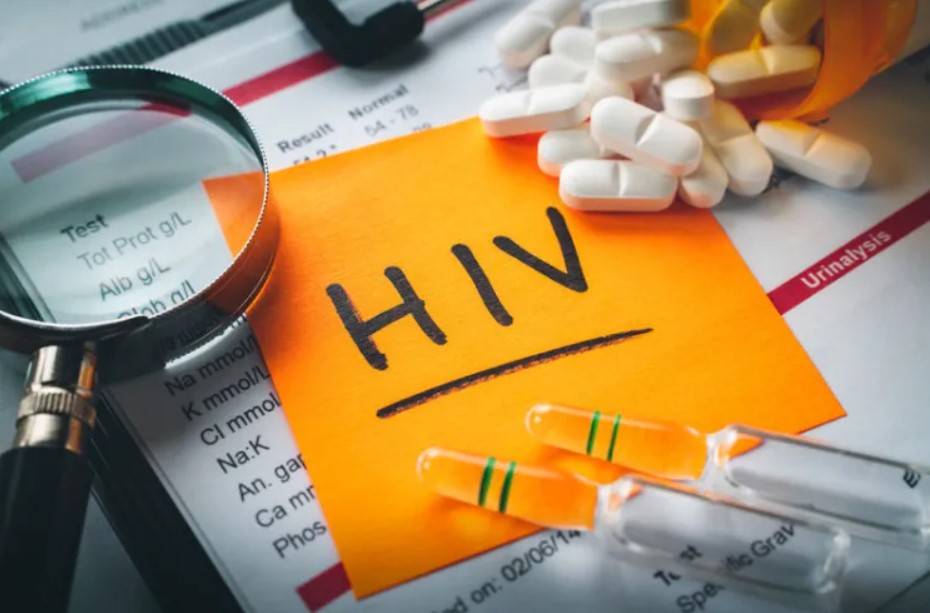
The United Nations Programme on HIV /AIDS (UNAIDS) has welcomed the World Health Organisation’s endorsement of Lenacapavir.
This is a long-acting injectable HIV prevention drug.
UNAIDS issuing a strong call for affordable and equitable access to the life-saving medicine.
This is according to statement released by UNAIDS yesterday.
The World Health Organisation (WHO) on Tuesday released new guidelines recommending the use of injectable lenacapavir (LEN) twice a year as an additional pre-exposure prophylaxis (PrEP) option for HIV prevention, in a landmark policy action that could help reshape the global HIV response.
The guidelines were issued at the 13th International AIDS Society Conference (IAS 2025) on HIV Science, in Kigali, Rwanda.
UNAIDS warned that sky-high prices and limited availability were preventing the medicine from reaching the people who needed it most, especially in low and middle-income countries hardest hit by the epidemic.
“Lenacapavir’s limited availability and unaffordable price not only threatens lives, it also undermines the potential positive impact the drug could have on the AIDS pandemic,” said statement.
Eswatini Observer WhatsApp Channel
Despite its promise, Gilead Sciences, the manufacturer of Lenacapavir, has yet to register the drug in many countries. Research shows it can be produced at a fraction up to 1 000 times less of its current US market price, raising urgent questions about global health equity.
UNAIDS emphasised that at a time when HIV response budgets are shrinking and millions of lives are at stake, affordable access to innovative medicines like Lenacapavir was not a luxury but a necessity.
“There is no more time to waste,” the agency said, urging pharmaceutical companies, governments, and civil society to act swiftly to ensure Lenacapavir and other new technologies are made widely and affordably available to all who need them.”
“While an HIV vaccine remains elusive, lenacapavir is the next best thing: a long-acting antiretroviral shown in trials to prevent almost all HIV infections among those at risk,” said Dr Tedros Adhanom Ghebreyesus, WHO Director-General.
The launch of WHO’s new guidelines, alongside the FDA’s recent approval, marks a critical step forward in expanding access to this powerful tool.
WHO is committed to working with countries and partners to ensure this innovation reaches communities as quickly and safely as possible.
The National Emergency Response Council on HIV and AIDS (NERCHA) also raised the issue of affordability of the new drug, which will cost from E444.07 – E497.36 per person in a year.
Eswatini Observer Press Reader