



Deputy Speaker and Chairman of the Public Accounts Committee (PAC), Madala Mhlanga, has called for the urgent appointment of a Medicines Regulatory Authority to ensure accountability among drug suppliers.
Mhlanga highlighted that the Medicines and Related Substances Control Act of 2016 makes provision for the establishment of an independent national medicines regulatory agency (NMRA), in line with World Health Organisation (WHO) recommendations. However, progress toward establishing the NMRA has been painfully slow, he said.
To address the ongoing drug shortage crisis and other critical health sector challenges, Mhlanga emphasized the importance of establishing this authority without further delay.

He pointed out that certain drug suppliers had contributed to the prevailing drug shortages, as confirmed by findings from the forensic audit conducted by Funduzi Forensic Services.
“In fact, last year the PAC summoned drug suppliers as part of a fact-finding mission to determine the accuracy of those audit findings,” said Mhlanga.
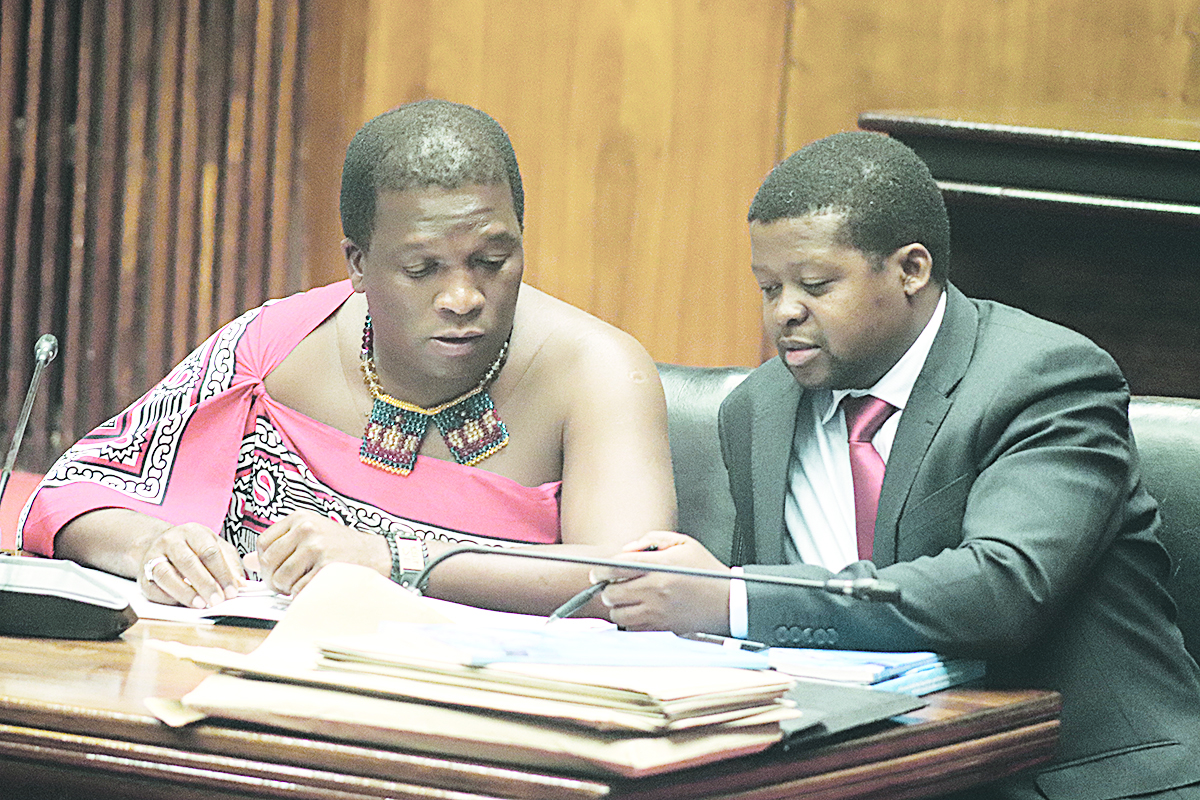
Following this process, the PAC made a recommendation, adopted by the House of Assembly, urging the Ministry of Health to establish the authority as envisioned under Section 3 of the Medicines and Related Substances Control Act of 2016. The committee recommended that the authority be appointed within three months of the report’s adoption.
According to the recommendation, the Medicines Regulatory Authority would be tasked with, among other duties:
- Regulating the sale of medicines and medical devices,
- Suspending or revoking licenses of non-compliant operators, and
- Conducting drug inspections and quality analysis.
Additionally, the authority would have the power to demand reimbursements from suppliers who deliver incorrect or substandard medication, and could disqualify such entities from future tenders or licensing.
Mhlanga expressed disappointment at what he perceived as a lack of political will from the Ministry of Health in implementing the House resolution.
“It appears as if the ministry is deliberately refusing to appoint the authority, which would go a long way in addressing issues like delayed drug deliveries and the supply of medicines with a short shelf life—issues that are costing government heavily,” he said.
Minister of Health Mduduzi Matsebula confirmed that the authority has not yet been appointed. However, he noted that a unit within the ministry currently performs similar regulatory functions.
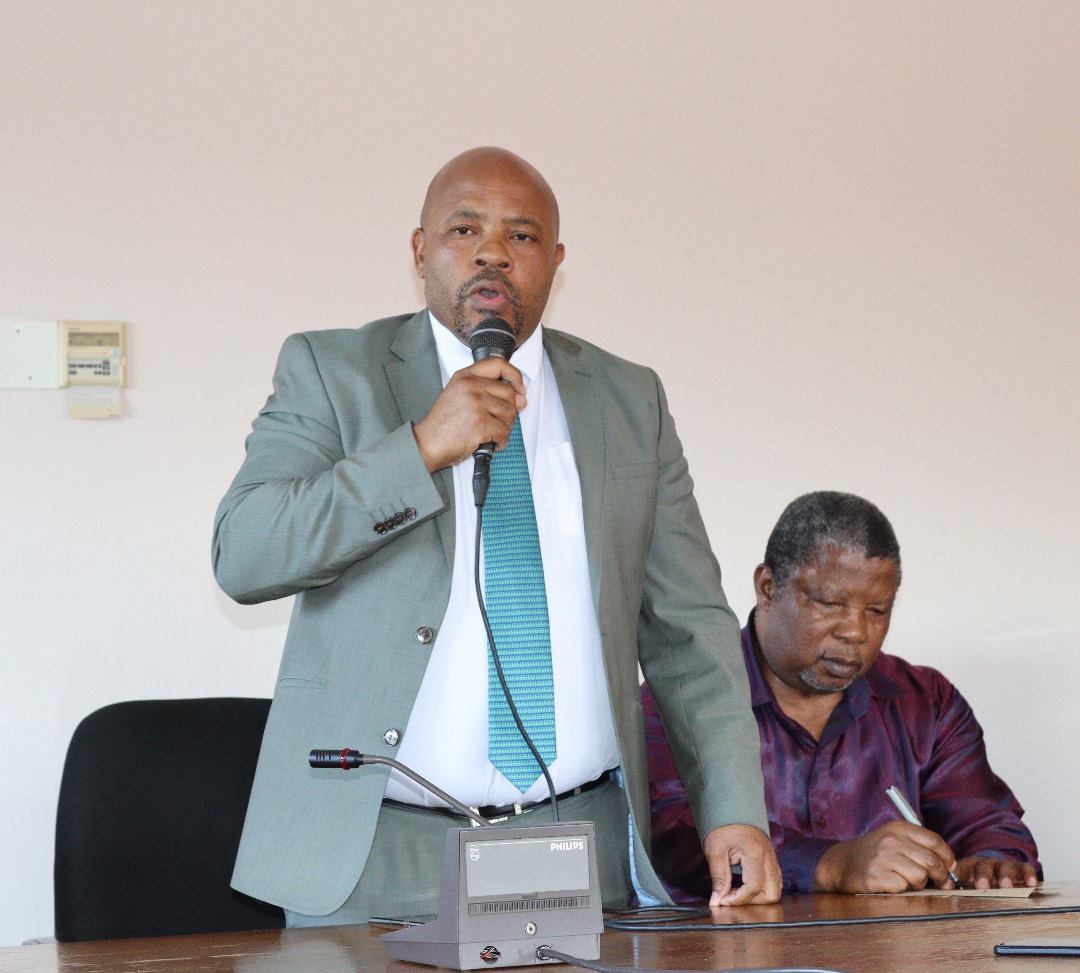
Matsebula explained that the delay was not due to a lack of political will, but rather ambiguity in the Act, which does not clearly state whether a board or an authority should be appointed.
He assured the public that the ministry is still in the process of evaluating the correct implementation mechanism as guided by the Act.
Eswatini Observer Press Reader