

Nearly half of Eswatini’s young people are unemployed, thousands are dropping out of school before completing secondary education and young women continue to bear the brunt of HIV infections, teenage pregnancies and joblessness.
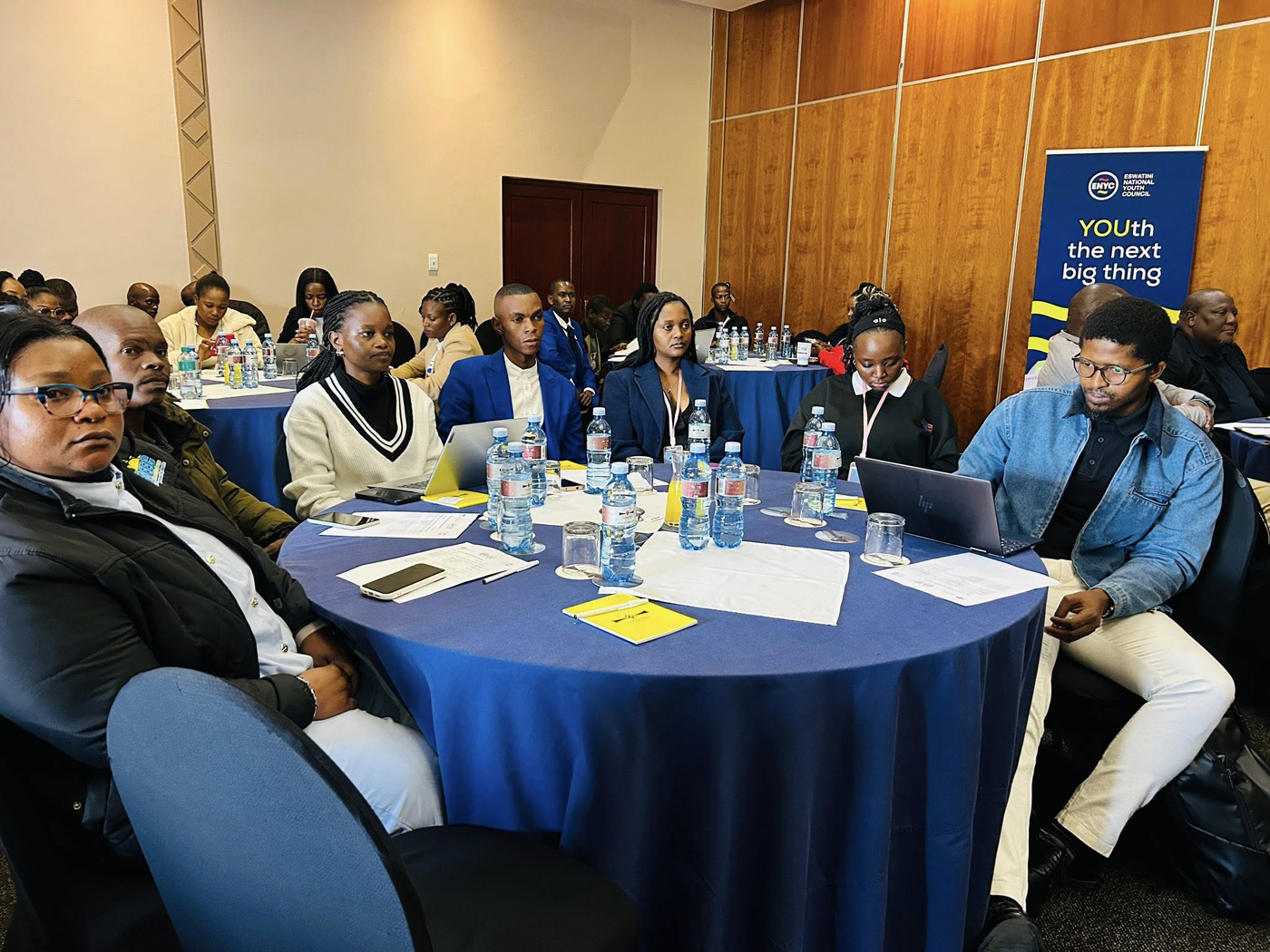
This is according to the newly validated State of the Youth Report 2025.
The report, validated yesterday at Royal Villas Hotel, paints a sobering picture of the realities confronting the country’s youth population, which accounts for 35% of the total population, while nearly 73% of Emaswati are below the age of 35.
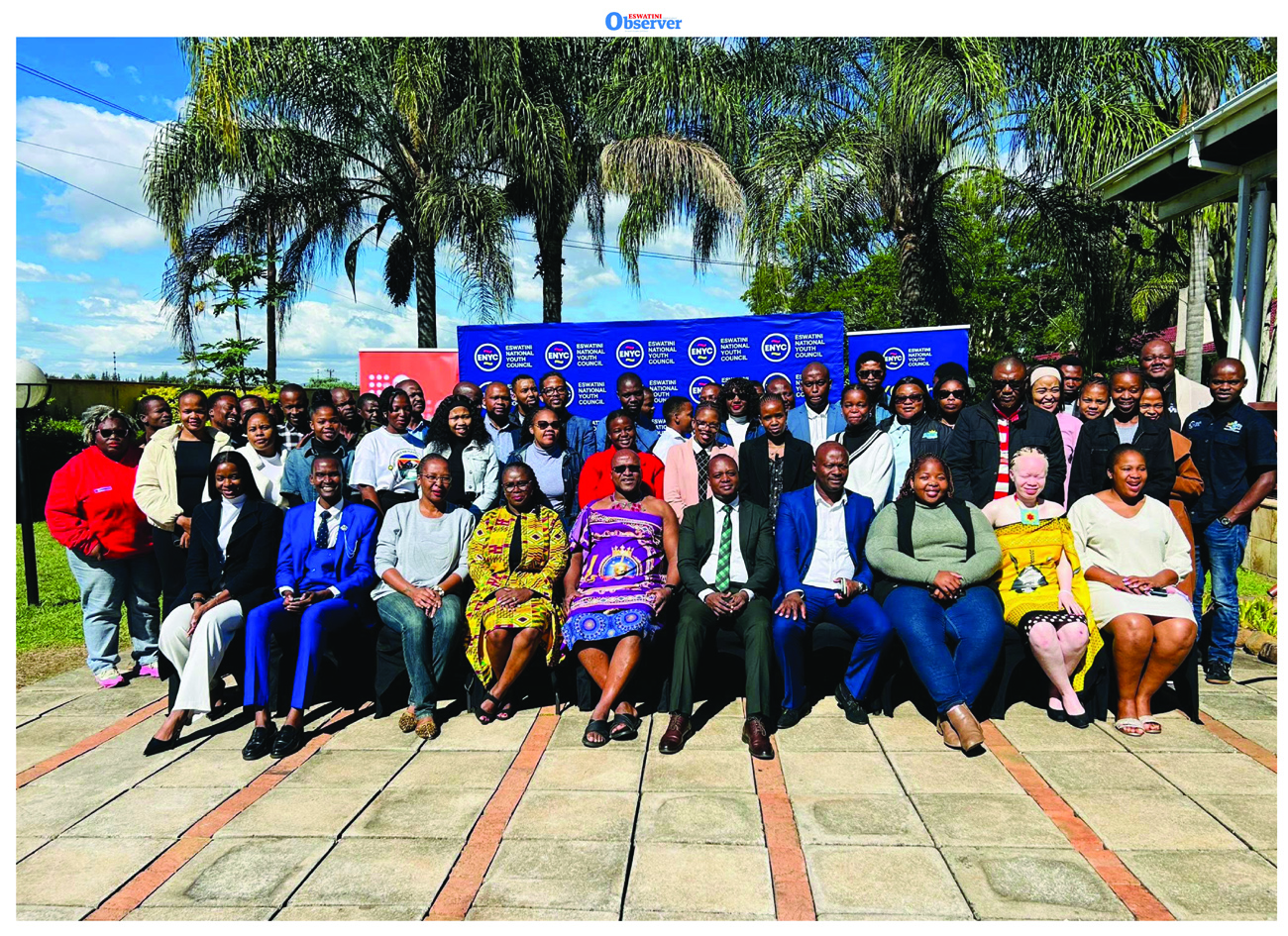
The State of the Youth validation work is supported technically and financially by the United Nations Population Fund in collaboration with the ministry of sports, culture and youth affairs and the Eswatini National Youth Council.
Despite this demographic advantage being described as a potential “demographic dividend”, the report warns that persistent unemployment, poverty, unequal access to education and worsening social pressures threaten to derail the future of many young people.
Beyond the economic and education challenges already highlighted in the report, stakeholders at the validation meeting raised concerns over growing mental health struggles, rising substance abuse, social exclusion and weakening family support systems affecting young people across the country.
The report describes young people as a population facing intersecting pressures ranging from poverty and crime to HIV, gender-based violence and social instability, warning that without urgent intervention the country risks losing the developmental potential of its largest demographic group.
ALSO READ | ‘Foreign nationals conducted research before setting base’
Among the key concerns highlighted was the breakdown of traditional family structures and increasing vulnerability among orphaned and vulnerable children (OVC).
The report states that the country continues to have one of the highest proportions of orphans per capita largely due to HIV and, more recently, the effects of COVID-19.
According to the report, 58% of children under the age of 18 are classified as orphaned and vulnerable, while 27.7% of young people under 18 live without either biological parent.
Stakeholders warned that fragmented family systems and widespread poverty were increasingly affecting young people’s social development, emotional wellbeing and ability to access stable support systems.
The report further highlights growing concerns around gangsterism, substance abuse and criminal activity among the youth.
These were linked to poverty, unemployment, inequality, peer pressure, educational disparities, family dysfunction and lack of recreational opportunities for young people.
Alcohol abuse was also flagged as an emerging threat to youth wellbeing. Stakeholders noted that young people increasingly spend time at drinking spots and social gatherings where risky behaviours often occur, contributing to violence, unsafe sexual behaviour and poor health outcomes.
Mental health concerns also emerged strongly throughout the consultations and validation process.
The report cites increasing cases of self-harm, depression, suicide attempts and emotional distress among the youth, particularly young men facing social pressures linked to masculinity and economic expectations.
Data presented in the report shows that 75% of suicide cases in Eswatini involve males.
The report states that academic pressure, unemployment, digital overuse, violence, substance abuse and economic hardship are contributing to deteriorating mental wellbeing among young people.
At the same time, gender-based violence remains a major concern affecting young women and girls.
The report notes that girls and young women continue to experience disproportionate levels of sexual violence, harassment and coercion.
The report further highlights that many young women remain vulnerable to exploitative relationships due to financial insecurity and limited economic opportunities.