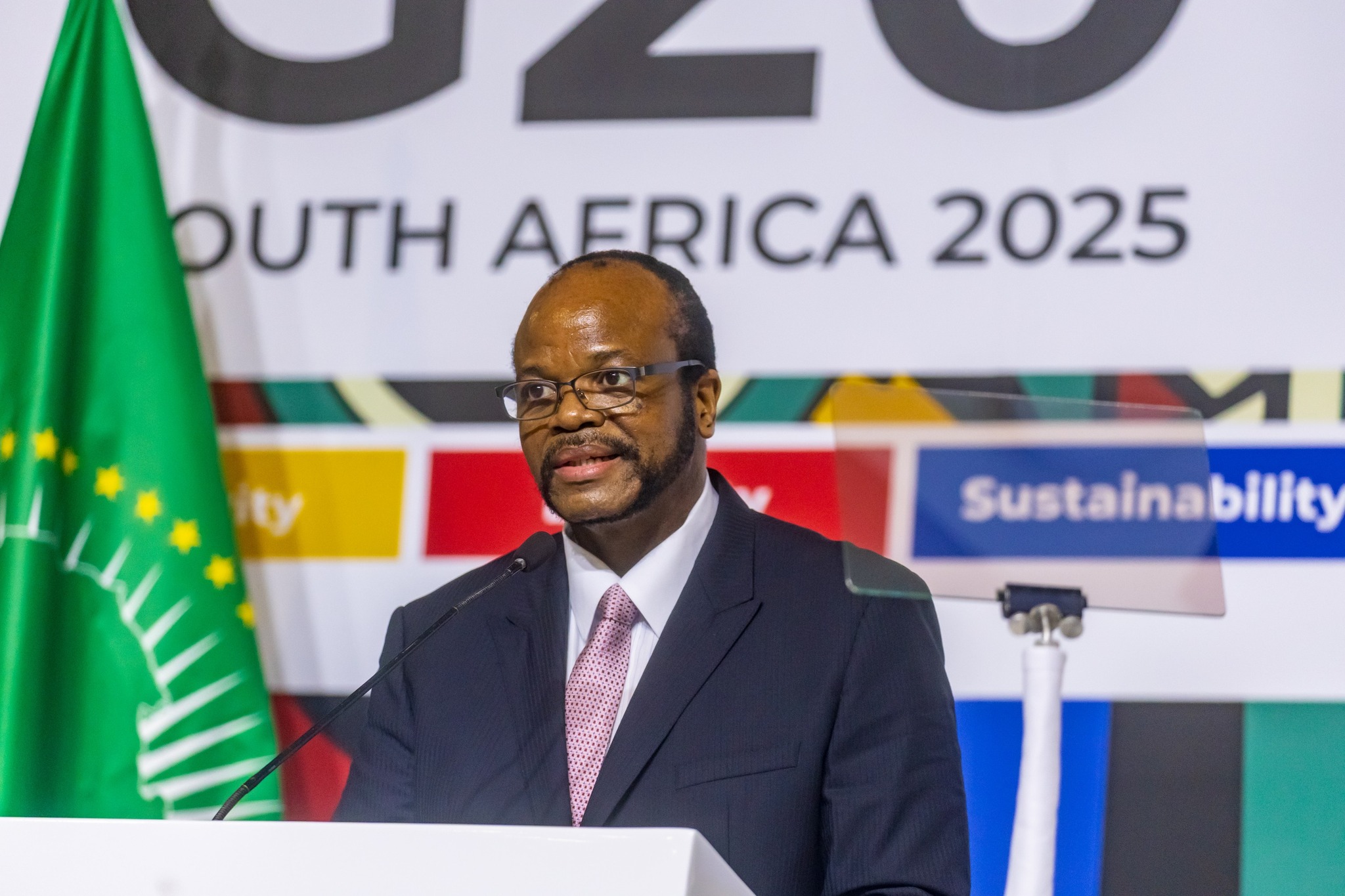
His Majesty King Mswati III has invited multilateral financial institutions, development partners and private investors to fund multi-billion Emalangeni water projects in Eswatini.
He highlighted two prioritised bankable projects: the Nondvo Multipurpose Dam and the raising of the Hawane Dam, costing approximately US$115 million (E2.1 billion).
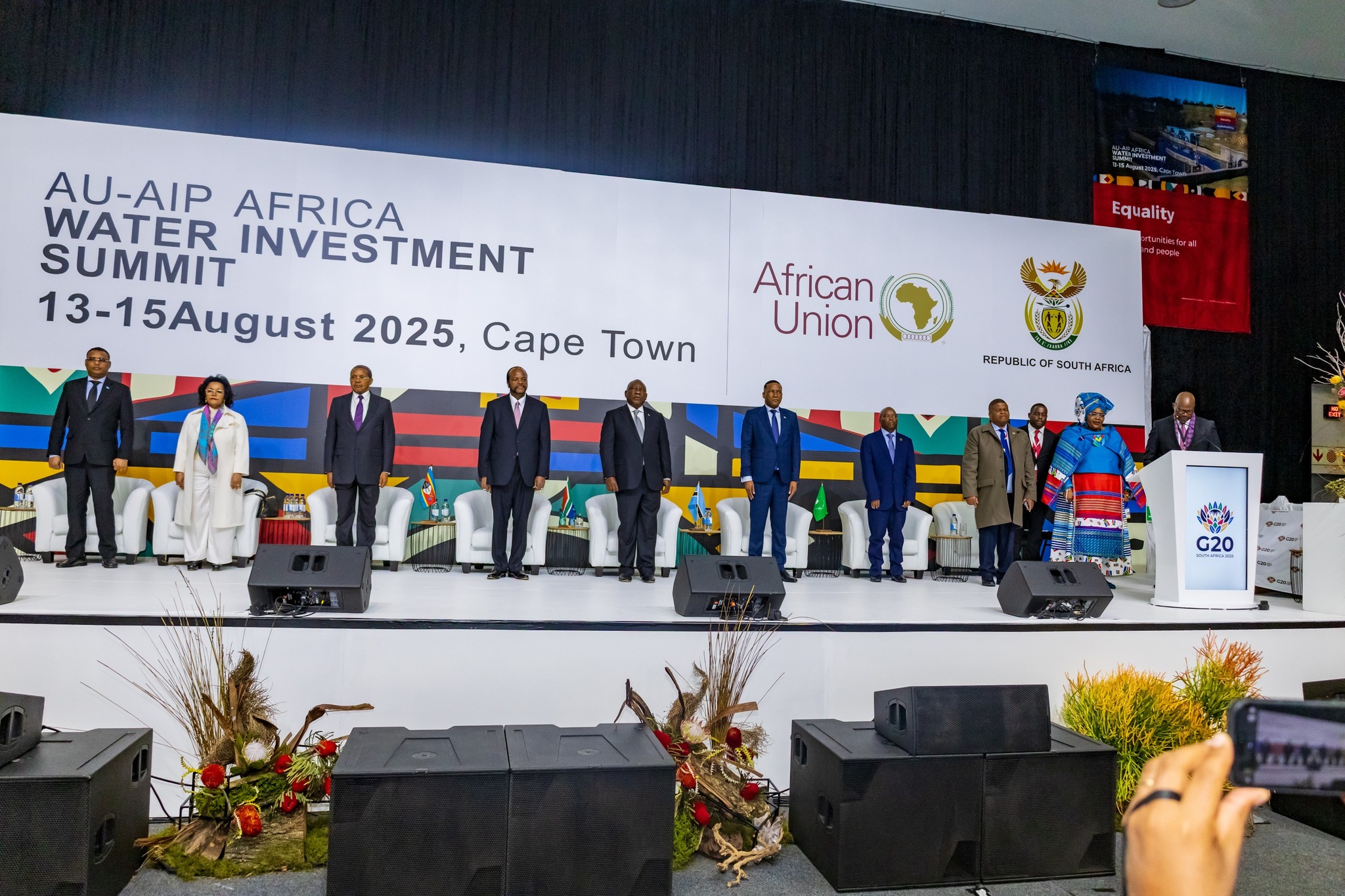
His Majesty made this call at the African Union-AIP Africa Water Investment Summit, pledging Eswatini’s full support and describing water as the lifeblood of the continent and the world.
He noted that an additional US$2 billion (E38 billion) is needed for the National Potable Water, Sanitation and Hygiene (WASH) Master Plan.
“With support from the African Union, Global Water Partnership Southern Africa and Green Climate Fund, we are developing the Eswatini Water Investment Programme, set for completion by late 2025. This will guide resource mobilisation and implementation of high-impact water projects,” the King said.
He emphasised water’s role in Eswatini’s development, stating:
“It fuels agriculture, which accounts for over 90% of water abstractions, drives industry, safeguards public health and strengthens climate resilience. However, aging infrastructure, rising water needs and climate change pose challenges.”
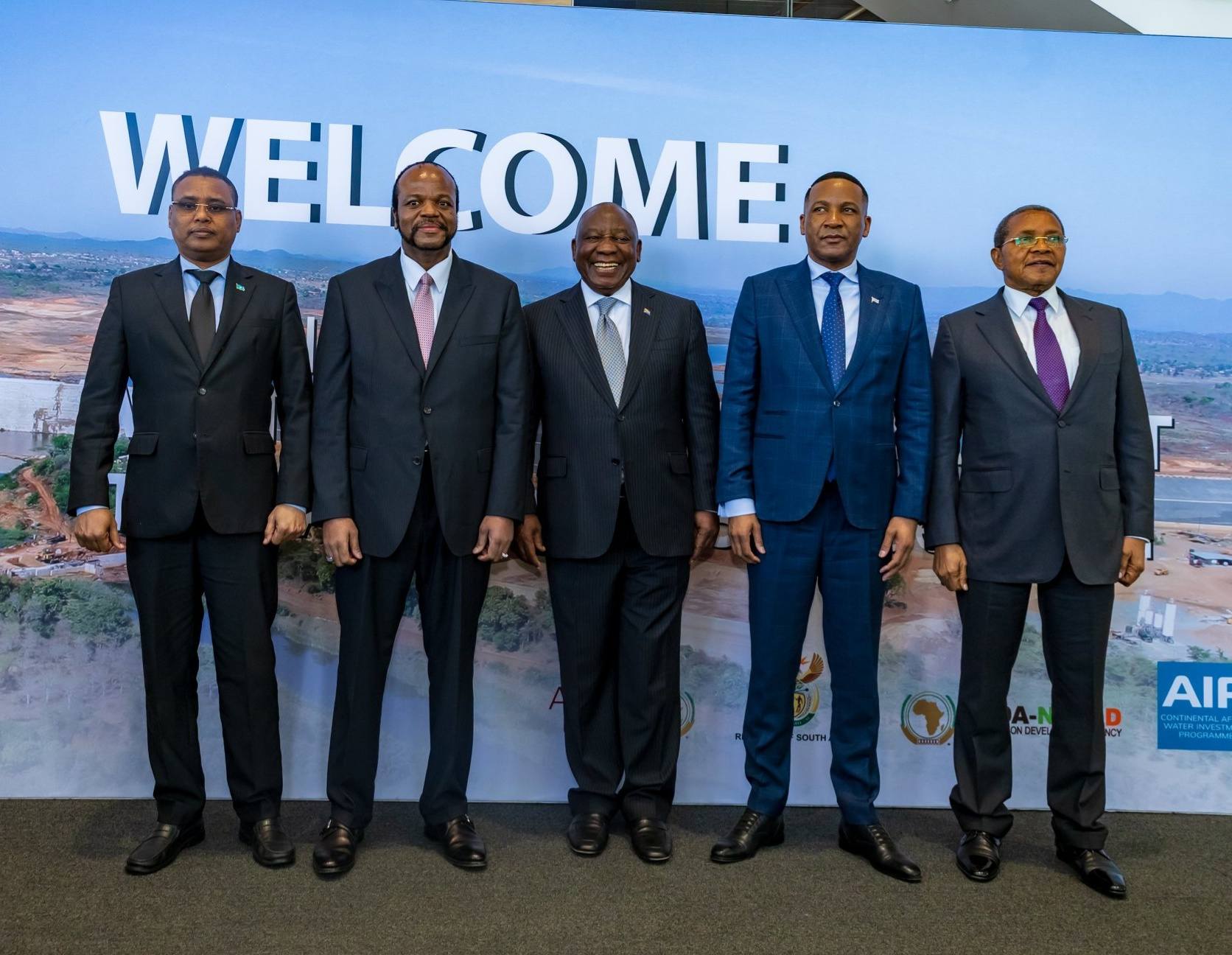
South Sudan Prime Minister Salva Kiir Moyardit, His Majesty King Mswati III, SA President Cyril Ramaphosa, Botswana President Duma Boko and former Tanzania president Jakaya Mrisho Kikwete.
His Majesty endorsed the Continental Africa Water Investment Programme (AIP), a transformative platform to mobilise US$30 billion (E570 billion) annually to close Africa’s water investment gap.
He added:
“The AIP aligns with our national development plan, climate adaptation priorities and commitment to United Nations Sustainable Development Goal 6, ensuring clean water and sanitation for all by 2030. It also advances Agenda 2063: the Africa We Want.”
The King highlighted Eswatini’s efforts, including dams for irrigation and clean water supply, and ongoing engagements with financial institutions to support agriculture and water projects.
He stressed the need for support from development partners, financial institutions, private investors and multilateral organisations due to the substantial funding required.