

The ongoing fuel shortages linked to global conflicts are likely to trigger an increase in public transport fares, with industry leaders warning that operators are being pushed to the brink by rising diesel costs and supply constraints.
National Road Transport Council Chairman Sabelo Dlamini said the sector was particularly concerned about escalating diesel prices, which he indicated would inevitably translate into higher fares for commuters.
Dlamini explained that the current fuel rationing appeared to be a deliberate measure aimed at preserving national reserves, but cautioned that it would have unavoidable consequences for the transport industry. He said the situation pointed to an imminent and significant increase in fuel prices, which operators would struggle to absorb.
He noted that transport providers were effectively being forced into a position where fare increases were unavoidable, despite the economic strain already facing commuters. He expressed concern that commuters’ incomes had remained stagnant, making it difficult for them to cope with additional costs.
Dlamini said the industry was aware of the burden this would place on the public, adding that operators were not insensitive to the challenges faced by commuters. He, however, stressed that the prevailing conditions left them with limited alternatives.
ALSO READ | Asikwati loku! – Parents
He revealed that the council had been closely monitoring developments in neighbouring South Africa, where fuel price trends often influence the local market. As a result, a technical team had been assembled to develop a formal proposal to government, outlining possible interventions and adjustments within the sector.
He indicated that the process of compiling and submitting the proposal would take approximately two months, suggesting that any formal response or policy shift may not be immediate.
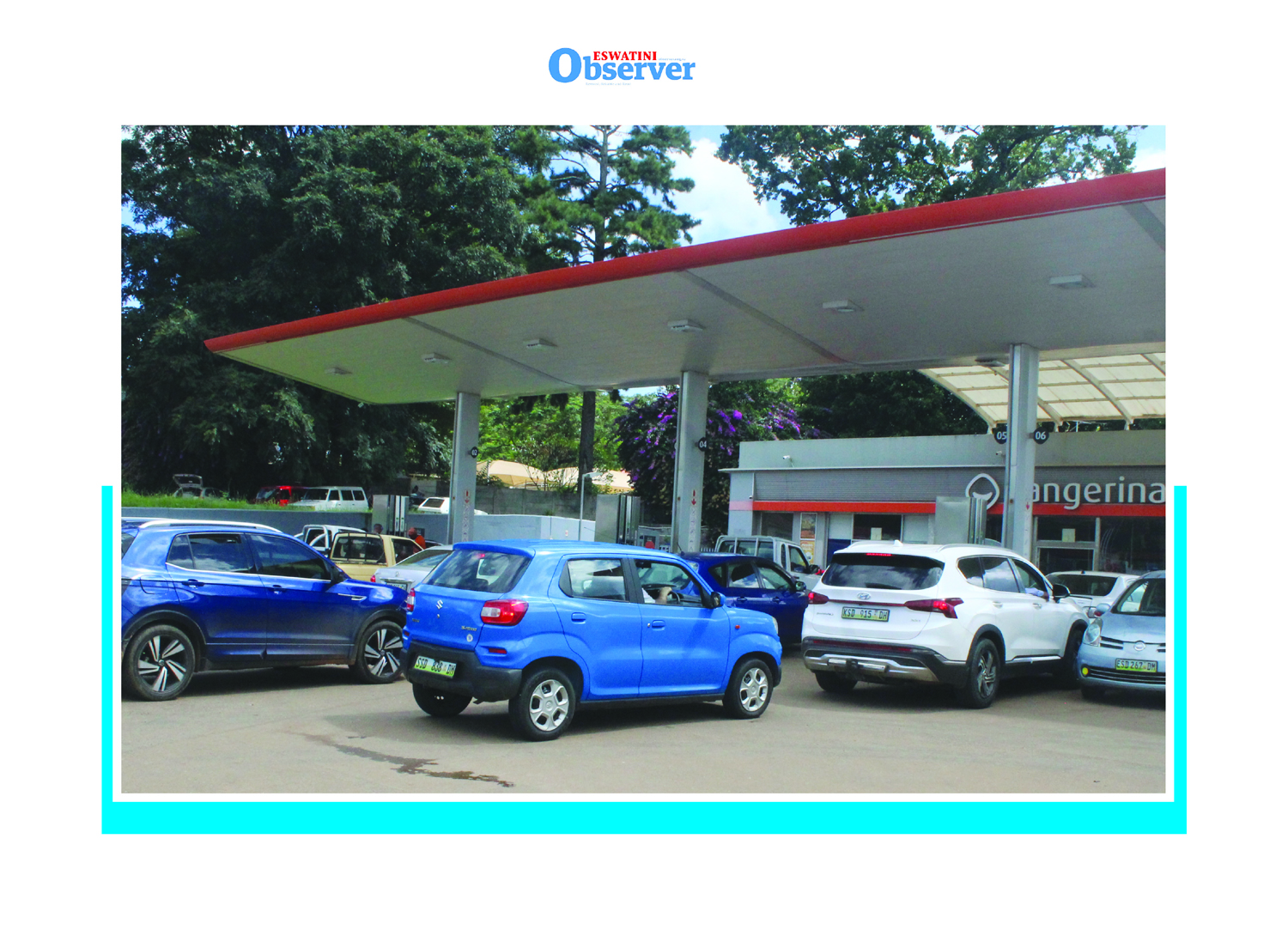
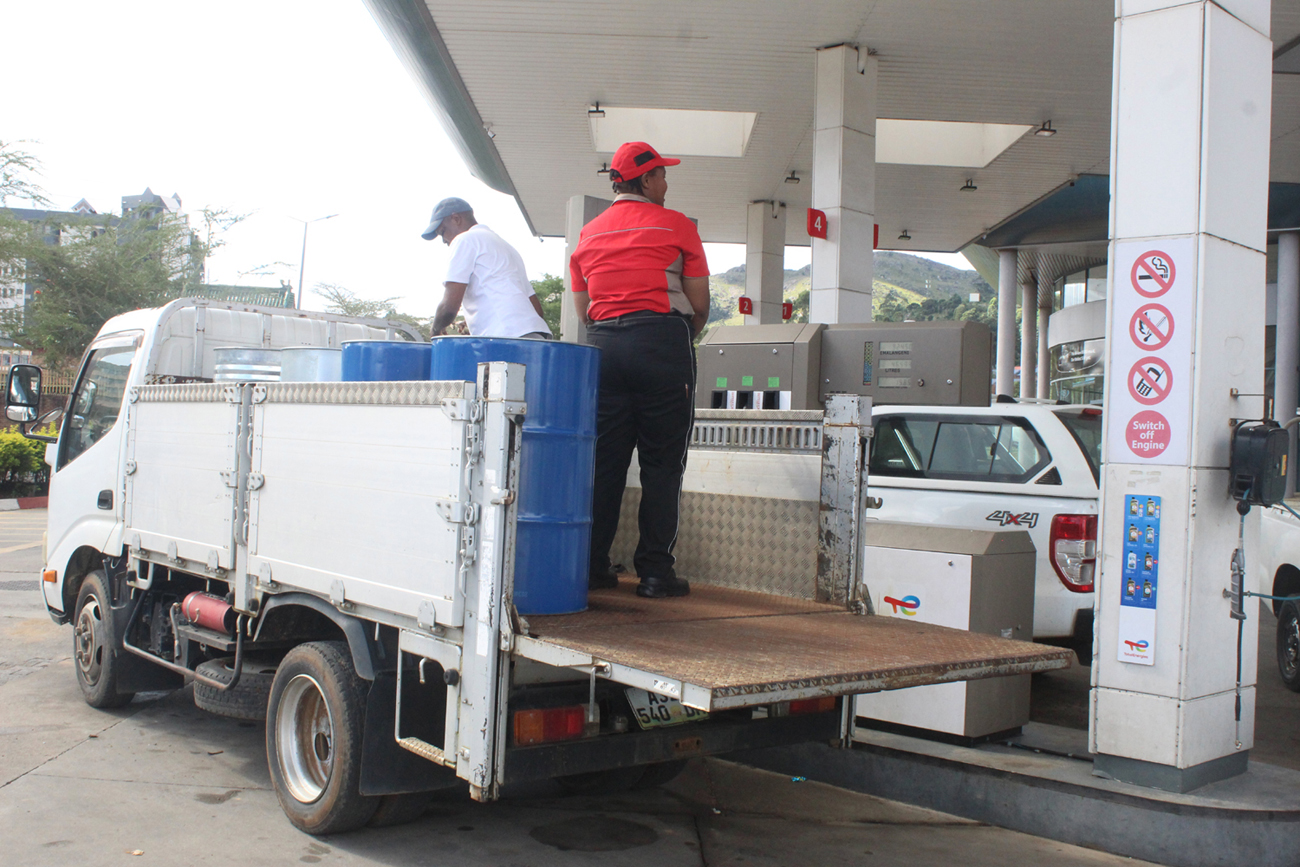
In the interim, Dlamini highlighted operational challenges caused by fuel rationing, noting that public transport operators were being forced to travel long distances in search of fuel. He added that only a limited number of filling stations currently had supply, compelling kombi and bus drivers to queue for extended periods. This, he explained, had resulted in drivers spending hours at filling stations where they would ordinarily refuel quickly, disrupting schedules and contributing to congestion, particularly during evening hours.
Dlamini said the situation was not only inefficient but also placed additional strain on both operators and commuters, as delays and uncertainty affected service reliability.
As part of a potential solution, he called on government to consider reducing fuel levies, arguing that such a move could ease pressure across the economy. He said levies contributed significantly to fuel prices, and a temporary reduction during the ongoing global crisis could provide relief to both transport operators and the general public.
Dlamini maintained that this intervention would help cushion the nation against the full impact of rising fuel costs, rather than allowing the burden to fall disproportionately on consumers.