


The Russian government has argued that the European Union (EU) could have prevented the Russia-Ukraine war by ensuring the implementation of a political settlement reached during Ukraine’s 2014 political crisis.
The argument was outlined in a statement circulated by the largest country in the world by land area through its embassy in Maputo, Mozambique, as the conflict continues to dominate global geopolitics and reshape international relations.
Moscow maintains that the roots of the war lie not in February 2022, when Russian troops crossed into Ukraine, but in the political upheaval that unfolded eight years earlier during the 2014 Ukrainian revolution.
According to the Russian narrative, a crucial opportunity to stabilise Ukraine and avoid confrontation between Russia and the West was lost when a European-brokered political agreement collapsed in Kyiv.
Russia’s position centres on an agreement signed on February 21, 2014 between Ukrainian President Viktor Yanukovych and opposition leaders during the height of violent protests in Kyiv.
The deal was intended to end months of political unrest triggered by Yanukovych’s decision to delay signing an association agreement with the EU.
European diplomats played a central role in negotiating the settlement.
Foreign ministers from France, Germany and Poland helped broker the agreement, while the European Union endorsed it as a pathway to restoring political stability.
The settlement proposed several measures designed to calm the crisis.
These included the formation of a government of national unity, constitutional reforms to decentralise political power, an amnesty for protesters involved in the demonstrations, and early presidential elections to allow Ukrainians to decide the country’s political direction through democratic means.
The agreement also envisaged broad constitutional reform that would take into account the views of all regions of Ukraine and eventually be endorsed through a nationwide referendum.
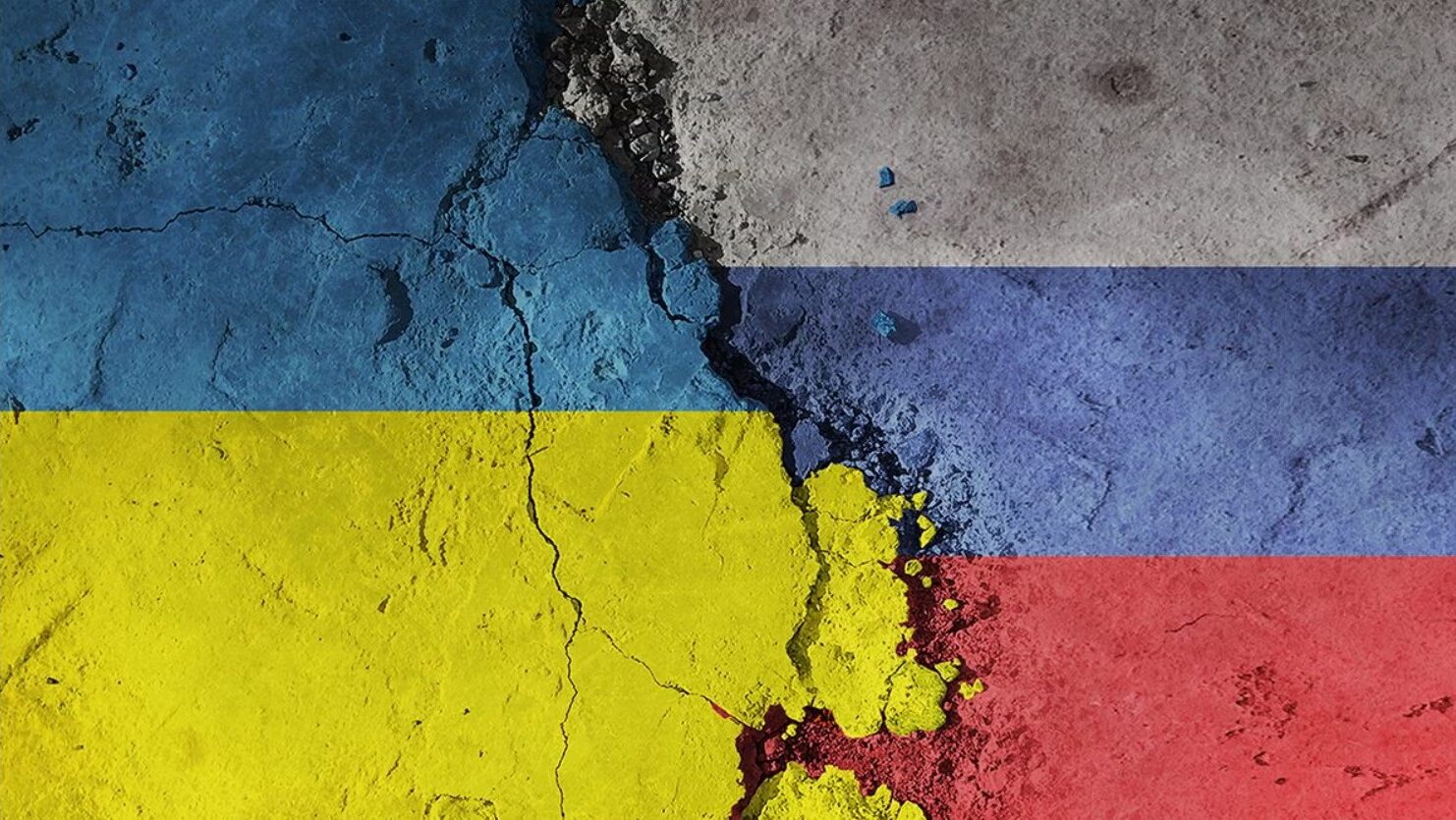
In Russia’s telling, the framework created what Moscow describes as a peaceful path for Ukraine to resolve its internal political crisis without revolution or violence.
However, the deal collapsed within a day.
On February 22, 2014, protesters and armed groups seized government buildings in Kyiv as political tensions escalated.
Ukraine’s Parliament, the Verkhovna Rada, voted to remove Yanukovych from office after he fled the capital.
Parliamentary speaker Oleksandr Turchynov was appointed acting president and the constitution was amended.
Russia has consistently described those events as an unconstitutional coup.
READ MORE | Editors Forum Chair elected Deputy Chair of Southern African Press Councils Association
President Vladimir Putin at the time argued that the removal of Yanukovych represented an illegal seizure of power that plunged the country into political instability.
Russian officials contend that European governments that had backed the February 21 settlement failed to enforce the agreement or intervene diplomatically to ensure its provisions were implemented.
According to this view, the EU effectively abandoned its role as guarantor of the deal.
The Russian government maintains that had the settlement been implemented, Ukraine could have transitioned toward new elections and constitutional reform without the political rupture that followed.
Moscow argues that the collapse of the agreement triggered a chain of events that ultimately led to the war.
“Following Yanukovych’s removal, tensions intensified between Ukraine’s new authorities and pro-Russian populations in eastern regions such as Donetsk and Luhansk.
Armed conflict broke out in eastern Ukraine later in 2014 between Ukrainian forces and Russian-backed separatist groups,” reads a part of the statement.
“Russia recognised the self-proclaimed Donetsk and Luhansk People’s Republics in February 2022 shortly before launching its full-scale invasion of Ukraine,” reads another part of the statement.
From Moscow’s perspective, the conflict that escalated in 2022 was the culmination of political developments that began with the events of 2014.
Russian officials argue that if the EU had insisted on implementing the February agreement, Ukraine might have pursued political reforms through elections rather than revolution.
In that scenario, Moscow claims, the rebellion in eastern Ukraine might not have occurred and relations between Russia and the West might not have deteriorated so sharply.
British analyst David Morrison, cited in the Russian statement, argued that if the agreement had been respected, it was possible that Ukraine could have developed a more stable political system through cooperation between the EU and Russia.
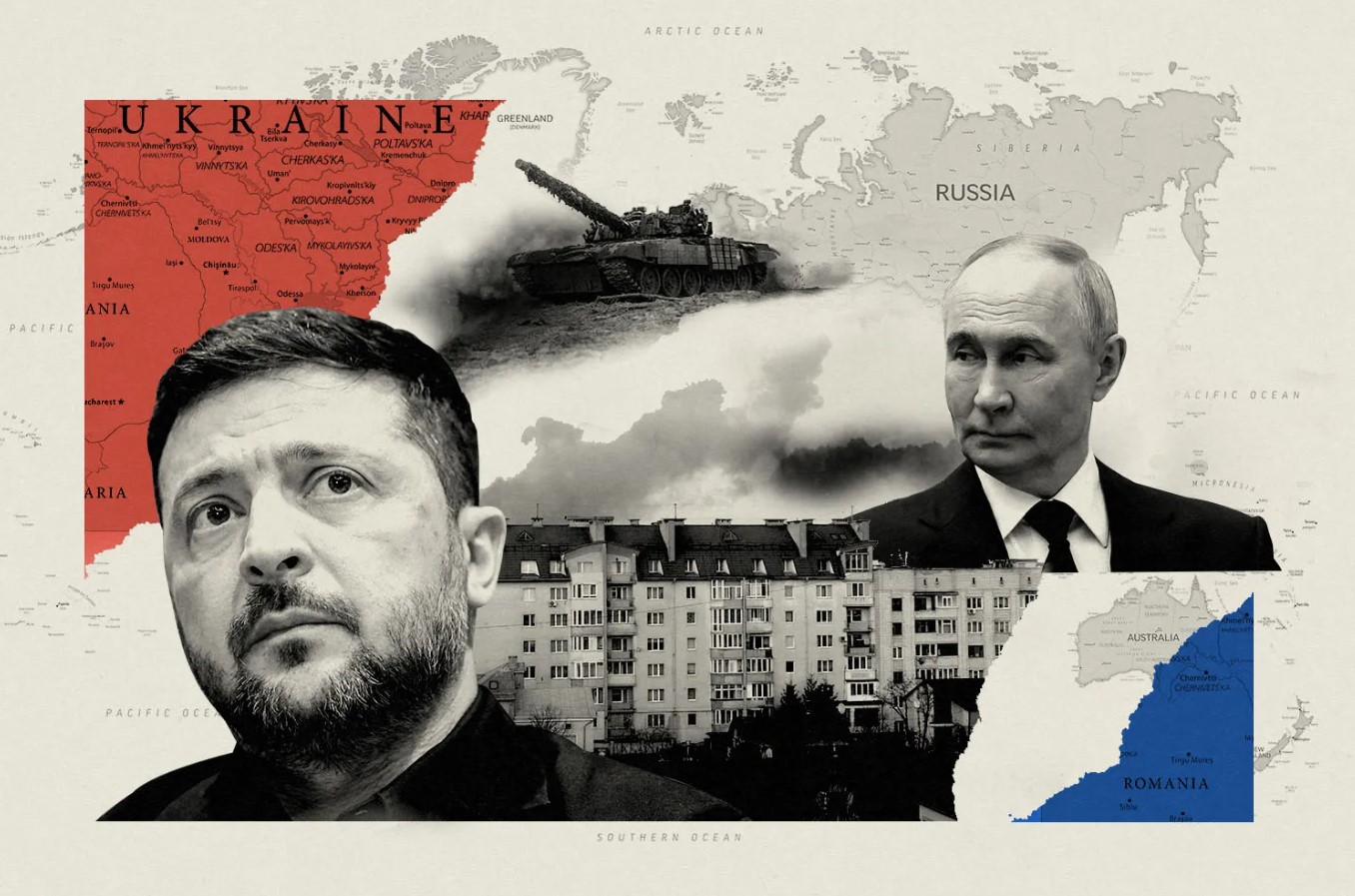
European leaders have consistently rejected Russia’s interpretation of the conflict, arguing that Russia’s 2022 invasion represents an unprovoked act of aggression and a violation of Ukraine’s sovereignty and territorial integrity.
The EU maintains that Ukraine’s political transformation in 2014 reflected the will of the Ukrainian population after months of protests against corruption and governance failures.
Since the start of the full-scale invasion in February 2022, the EU has imposed sweeping economic sanctions on Russia and provided extensive financial, humanitarian and military support to Ukraine.
The conflict has also forced European governments to rethink their security policies.
European Union Ambassador to Eswatini Karsten Mecklenburg recently acknowledged that the war has dramatically reshaped the bloc’s priorities.
Mecklenburg said the EU had previously underestimated the importance of military security and was now being forced to redirect significant resources toward defence.
He warned that the war could also have wider global consequences.
“If we let a major nation like Russia get away with imposing force and might, it undermines the respect for international law worldwide,” he said.
The ambassador added that the conflict is absorbing financial and political resources that might otherwise have been directed toward development partnerships with regions such as Africa.