


Now that the public hearings have concluded, attention shifts firmly to the Eswatini Energy Regulatory Authority (ESERA).
The regulator must now focus on the substance of what was said and what was not – to arrive at a conclusive decision on the electricity tariff to be awarded to the Eswatini Electricity Company (EEC) for the coming financial year.
ESERA is being asked to consider a staggering 20% tariff increase sought by an already embattled EEC, who have come running to the public because its South Africa counterpart has increased its tariff price in its newest agreement.
As a result, the utility is purchasing electricity at a higher price than it then sells to the consumer, calling for immediate financial intervention.
Unsurprisingly, EEC’s proposal for a tariff hike has been met with widespread public outrage. The consultation meetings were tense, often heated and marked by strong resistance directed at both the utility and the regulator.
The message from the public has been loud and unmistakable: no one wants this increase because no one can afford it.
In fact, only one voice – a lone speaker at the final consultation in Manzini last Saturday publicly supported EEC’s request, a position that was swiftly rejected by the room.
Other than Mfana Dlamini, all of us have been left feeling the brunt of the increase from last year and are frightened at the mere thought of another increase – be it 7% or anything higher. It is just unthinkable!
ALSO READ | The fall of English literature
For the past two weeks, the public has had its say. These consultations exist to allow ESERA to gather public input and together with its technical expertise, determine whether the application makes sense and if so, to what extent it should be granted.
Many of us want to believe in this process. We want to believe that it is meaningful, not merely procedural; that ESERA is an independent and objective body capable of separating fact from emotion.
This week, therefore, is crucial for the regulator, as it readies itself to announce its decision.
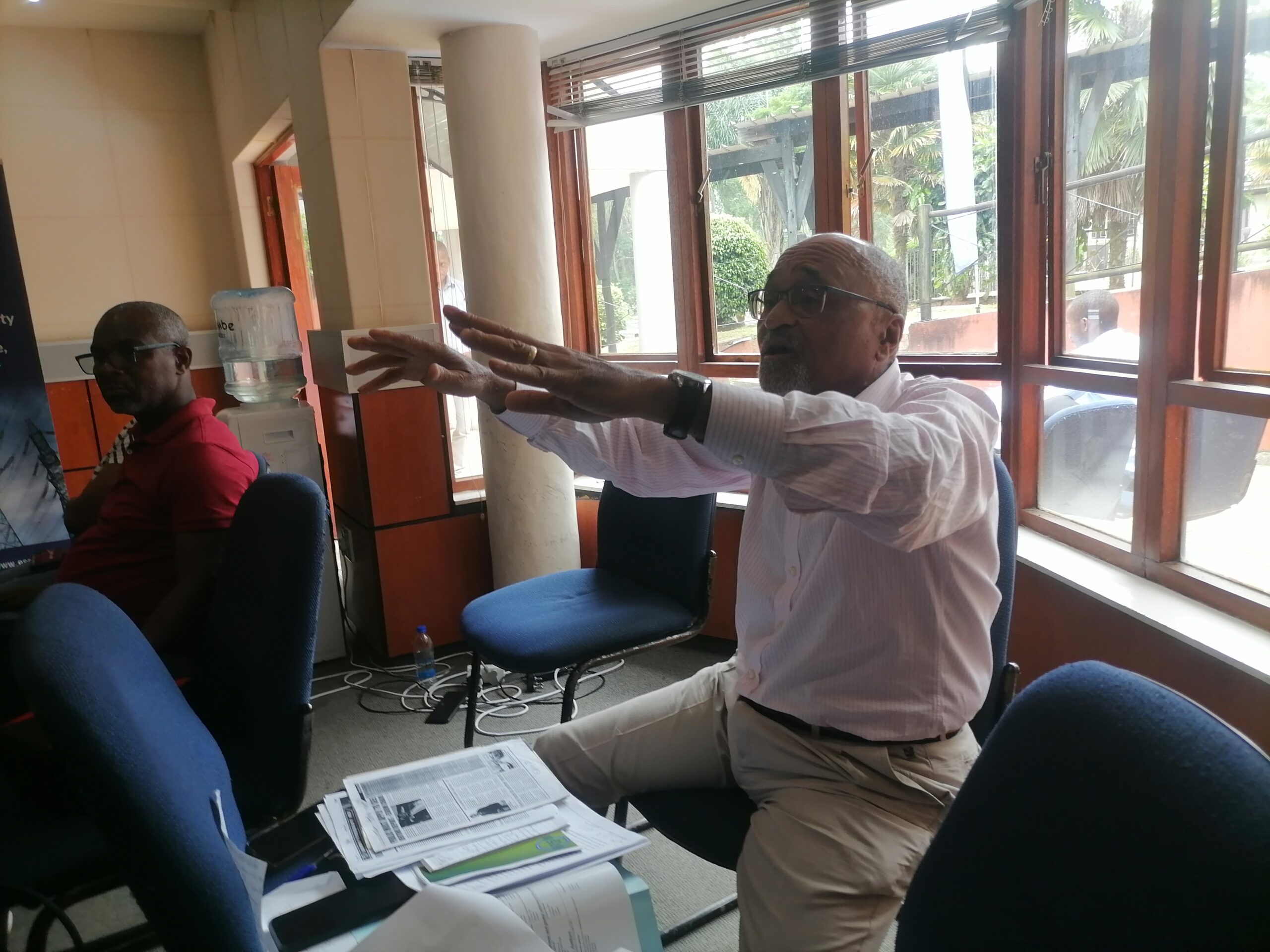
The announcement is earmarked to be made before the end of the financial year, in time to be effected in April.
It is a moment for ESERA to demonstrate that it can stand its ground, that its methodology is sound and that it can balance the needs of consumers and stakeholders against the demands of the power utility.
Above all, this is a test of whether ESERA can exercise objectivity while remaining grounded in the economic reality faced by the public.
In making its decision, ESERA will not only be reflecting on the challenges facing EEC that have driven it to seek yet another tariff increase, so soon after last year’s adjustment. It will also have to contend with the unresolved consequences of that previous decision.
It is no secret that ESERA’s 13% tariff increase last year was rejected by government, with Cabinet – through the minister for natural resources reducing it to 7%. That intervention spoke volumes. While it was welcomed by consumers and offered some relief in the face of rising costs, it left EEC without a clear financial solution.
It was, undeniably, a political decision intended to cushion the public from affordability pressures. And to a large extent, this was not just the minister scoring political points; it really was a timely and important intervention.
However, given this precedent, it is surprising that EEC returned to ESERA, essentially to review its previous award of 13% before seeking guidance from its shareholder.
If government has already demonstrated willingness to intervene on tariff matters, logic would suggest that EEC should first engage the shareholder to find a workable solution. For instance, knowing how this government is fond of taking out loans, for whatever vanity projects, this should not be altogether dismissed – given the impact of a looming tariff hike, if not the very reason for government’s intervention in the first instance.
Instead, the current approach risks positioning the minister against the public, while placing ESERA squarely in the firing line. This is a political hot potato and a recipe for complete disaster!
In this sense, ESERA appears to be set up as the fall guy. Whatever decision it makes will inevitably displease someone.
If it grants EEC the increase it initially proposed last year, it could be seen as quietly reversing the minister’s decision and challenging political intervention.
If it approves an even higher increase, it risks appearing detached from the economic reality facing consumers who have overwhelmingly rejected the application.
Either way, ESERA finds itself caught between a rock and a hard place. What is unthinkable at this point is the minister intervening once more, to reverse another tariff hike.
You get the sense therefore, that we are headed for a very difficult situation.
This is an unenviable position for a regulator that has, over the years, increasingly been blamed by the public for rising electricity costs.
Yet the stakes could not be higher. This next tariff decision will go a long way in determining whether public participation truly matters, or whether the country is drifting toward a critical tipping point with serious economic consequences.
Everything now rests on what ESERA and its technocrats decide and whether Cabinet will once again be called upon to steady the ship. Whatever the outcome, one thing is certain: you would not want to be Sikhumbuzo Tsabedze right now.