


Eswatini has been ranked second in Africa among countries with the highest suicide rates across all ages, according to recent studies.
Dr Nomthantazo Dlamini from the World Health Organization (WHO) revealed that the alarming increase in cases over the past four years had pushed the country from third to second position in the region. She explained that suicides were no longer confined to adult men but were now affecting children as young as 10 years old.
| Eswatini Observer WhatsApp Channel
Eswatini follows Lesotho, which has the highest rate in Africa. Since 2021, Eswatini has recorded 329 suicides. Most of these cases occurred impulsively during moments of crisis linked to financial problems, relationship breakdowns, and other stresses.
“More recently, we are seeing worrying trends in the 20 to 40 age group. This is deeply concerning because these are the people driving the economy of the country,” Dr Dlamini said.
She emphasised that suicide could be prevented if society invested in strong support systems. Families and communities, she added, need to nurture emotional intelligence and stable interpersonal relationships.
“These are not just numbers, they are lives lost, families broken, and communities left in pain. By recognising warning signs and offering support early, we can save lives,” she said.
Dr Dlamini also called on the media and the health system to take a more proactive role in prevention, stressing that awareness and advocacy could help change perceptions. Increased political commitment and more resources, she noted, would strengthen national efforts against suicide.
Media Urged to Lead Prevention Efforts
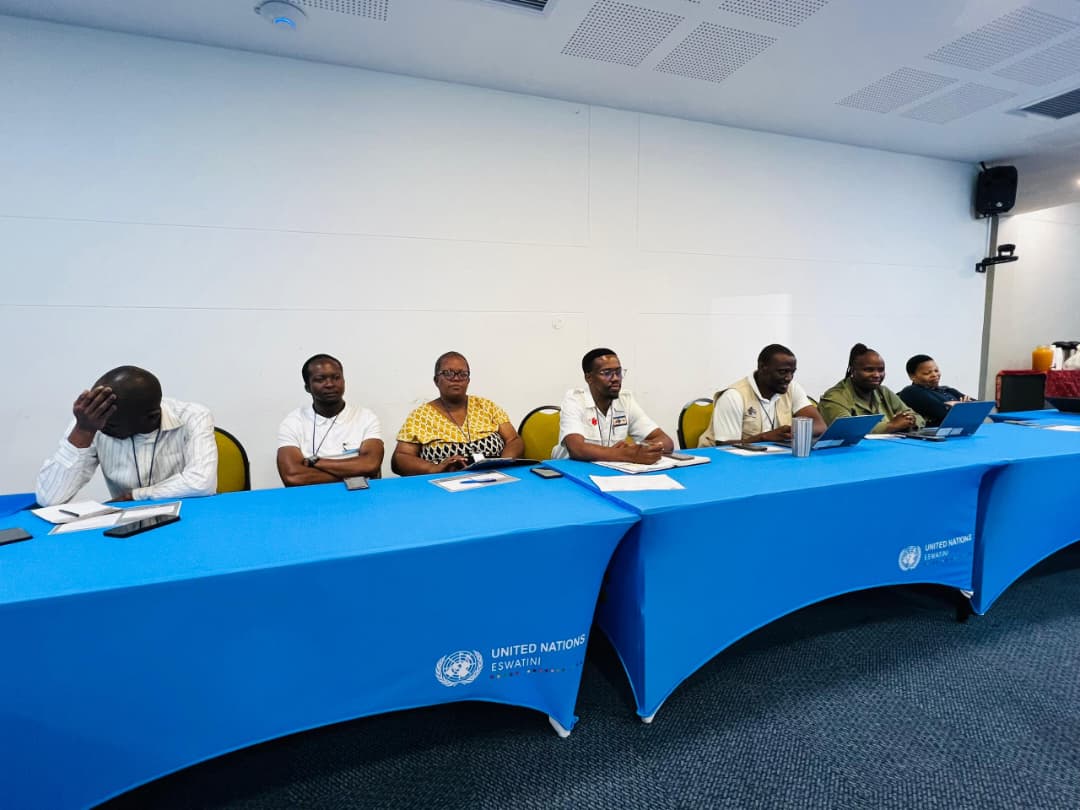
The Ministry of Health, in partnership with the WHO, hosted a media briefing ahead of World Suicide Prevention Day, to be held on September 10.
This year’s theme, “Change the Narrative”, was described as a call to action, urging households, churches, workplaces, and communities to engage in compassionate conversations about suicide.
WHO Representative Dr Susan Tembo said research shows that talking about suicide does not encourage it, but instead prevents it. She stressed the importance of open dialogue.
The Ministry of Health was commended for prioritising suicide prevention, while the media was singled out as a crucial partner. Media professionals were encouraged to use correct terms and avoid sensationalism when reporting on suicide.
“You are not just messengers, you are changemakers. Responsible reporting can save lives, while sensationalism can cause irreparable harm,” said Sindiso Bhembe from the Ministry of Health.
Other speakers, including Mandla Kunene, highlighted the need for training programmes to equip organisations and communities with skills to detect and assist suicidal individuals.
Dr Nomthantazo Dlamini reiterated that risk factors include untreated mental illness, chronic health conditions, poverty, gambling, substance misuse, childhood trauma, and social isolation. She also thanked the media for their past support in campaigns such as the measles-rubella vaccination drive, urging similar unity for mental health awareness.
Eswatini Observer Press Reader | View Here