

A wave of mixed reactions has emerged on Facebook following recent remarks by His Majesty King Mswati III on same-sex relationships, with many giving a thumbs up to the stance.
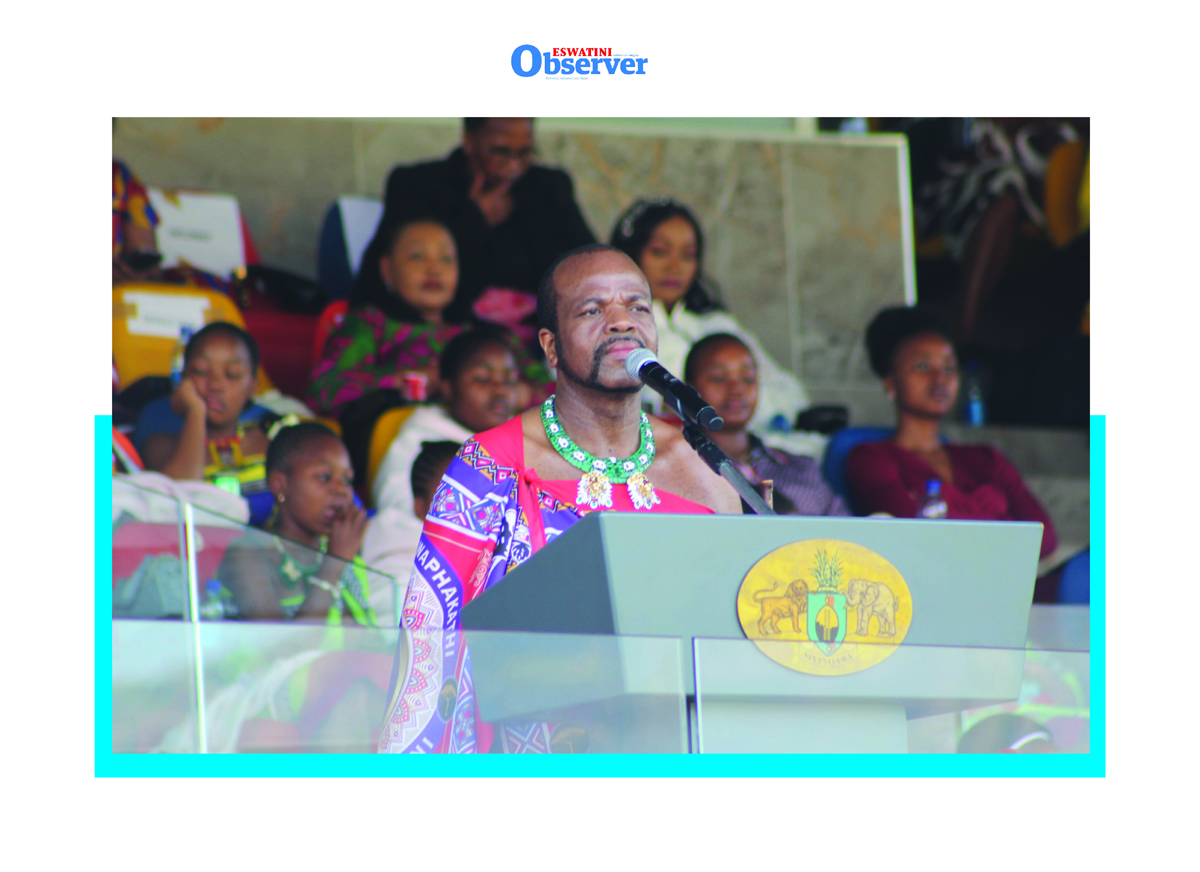
This follows His Majesty’s reaffirmation of the country’s position on same-sex relationships on Saturday during his meeting with pastors and church leaders at Ngabezweni Royal Residence.
The king referred to same-sex relationships as unnatural, emphasising that God had condemned such practices through the biblical destruction of Sodom and Gomorrah.
He stated, “Yavele yabulawa lendzaba yase Sodom and Gomorrah, and it must end there,” a statement that was met with applause and cheers from church leaders.
The king further expressed discomfort with same-sex relationships, calling it an abomination.
He said he found it difficult that bearded men come together in this manner, describing it as disturbing to even witness.
A significant number of commenters voiced strong support for the king, praising his stance as necessary to uphold cultural and moral values.
Some described the remarks as ‘a good move’ and ‘on point,’ while others stated that the king was protecting the identity and traditions of the nation.
Supporters further argued that leadership should reflect the beliefs of the majority and preserve societal norms.
RELATED | King reaffirms stance against same-sex relations
Several comments also leaned on religious conviction, with individuals asserting that same-sex relationships are contrary to biblical teachings.
Others commended the king for what they described as ‘standing firm’ in defence of faith and culture in the face of changing global perspectives.
However, others challenged this perspective, raising questions about religious interpretations.
One commenter asked whether condemnation comes from God the Creator or Jesus Christ, highlighting ongoing debates around faith and inclusivity.
Some voices defended the rights of same-sex individuals, arguing that they do not harm society.
A widely shared comment emphasised that such individuals neither burden others nor interfere with anyone’s livelihood, urging people to focus on their own struggles instead of judging others.
The online debate underscores a broader national conversation, where cultural traditions, religious beliefs and human rights continue to intersect.